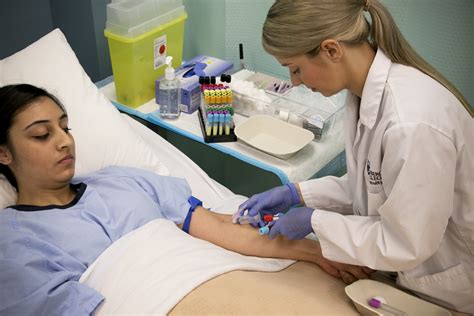
# The Ultimate Guide to Phlebotomy Department Best Practices
Are you looking to improve the efficiency and effectiveness of your phlebotomy department? In this comprehensive guide, we will explore the best practices that can help you optimize your phlebotomy operations, improve patient satisfaction, and ensure the highest standards of care. From proper training and equipment maintenance to workflow optimization and quality control measures, this guide covers everything you need to know to run a successful phlebotomy department.
## Importance of Phlebotomy Department Best Practices
A well-functioning phlebotomy department plays a crucial role in healthcare facilities, as it is responsible for collecting blood samples for diagnostic testing. By following best practices, phlebotomists can ensure the accuracy of test results, minimize patient discomfort, and maintain a safe and efficient work environment. Adhering to best practices also helps to reduce the risk of errors and infections, ultimately improving the quality of patient care.
## Training and Certification
One of the most important aspects of running a successful phlebotomy department is ensuring that all staff members are properly trained and certified. Phlebotomists should undergo rigorous training programs that cover anatomy, physiology, infection control, and venipuncture techniques. Additionally, they should be certified by a recognized accrediting body, such as the American Society for Clinical Pathology (ASCP) or the National Healthcareer Association (NHA).
## Equipment and Supplies
Another key component of a well-functioning phlebotomy department is the proper maintenance and use of equipment and supplies. It is essential to regularly check and calibrate equipment such as blood collection tubes, needles, and syringes to ensure accurate test results. Additionally, phlebotomists should always use sterile equipment and follow proper protocols for handling and disposing of biohazardous materials.
## Workflow Optimization
Efficient workflow is essential for ensuring that phlebotomy operations run smoothly and effectively. Phlebotomy departments should establish clear protocols and procedures for specimen collection, processing, and transport. By optimizing workflow, phlebotomists can minimize wait times, reduce errors, and improve overall efficiency.
## Quality Control Measures
To maintain the highest standards of care, phlebotomy departments should implement quality control measures to monitor and evaluate performance. Regular audits of phlebotomy procedures, as well as proficiency testing of staff members, can help identify areas for improvement and ensure regulatory compliance. By implementing quality control measures, phlebotomy departments can maintain the accuracy and reliability of test results.
## Benefits and Practical Tips
– Improved patient satisfaction: By following best practices, phlebotomists can minimize patient discomfort and reduce the risk of complications during blood collection.
– Enhanced efficiency: Proper training and workflow optimization can help phlebotomy departments streamline operations and reduce wait times for patients.
– Regulatory compliance: Adhering to best practices ensures that phlebotomy departments meet the standards set by regulatory bodies, such as the Clinical Laboratory Improvement Amendments (CLIA).
## Case Study: XYZ Hospital
At XYZ Hospital, the phlebotomy department implemented a series of best practices to improve performance and quality of care. By investing in staff training, updating equipment, and optimizing workflow, the department was able to reduce wait times, increase patient satisfaction, and achieve higher rates of successful blood collections. These improvements have not only enhanced the efficiency of the department but also led to better patient outcomes and reduced costs for the hospital.
## Conclusion
implementing best practices in your phlebotomy department is essential for ensuring the accuracy, efficiency, and safety of blood collection procedures. By following the guidelines outlined in this ultimate guide, you can optimize your phlebotomy operations, improve patient satisfaction, and maintain the highest standards of care. Remember to prioritize staff training, equipment maintenance, workflow optimization, and quality control measures to achieve success in your phlebotomy department.
