Title: Everything You Need to Know About Drawing Blood: Procedure, Benefits, and Tips
Introduction:
Drawing blood, also known as phlebotomy, is a common medical procedure used to obtain samples for diagnostic testing, blood transfusions, or donations. While some people may feel nervous or apprehensive about having their blood drawn, understanding the process can help alleviate these fears. In this article, we will delve into the details of drawing blood, including the procedure, benefits, and practical tips to make the experience as smooth as possible.
Procedure:
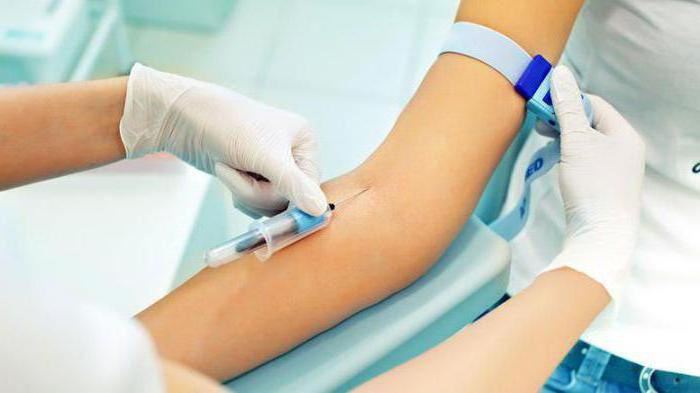
Drawing blood is typically performed by a healthcare professional, such as a phlebotomist or nurse. The process involves the following steps:
1. Preparation: The healthcare provider will gather the necessary supplies, including a vacutainer or syringe, alcohol wipes, and a tourniquet.
2. Identification: The patient’s identity will be confirmed, often through a wristband or asking for basic information like name and date of birth.
3. Selection of site: The healthcare provider will choose a suitable vein for blood collection, often in the arm or hand.
4. Cleaning the site: The chosen area will be cleaned with an alcohol wipe to prevent infection.
5. Venipuncture: Using a needle attached to a vacutainer or syringe, the healthcare provider will insert it into the vein to collect blood.
6. Collection: The blood will flow into the vacutainer or syringe for testing or donation.
7. Bandaging: After the procedure, the site will be covered with a bandage to stop bleeding.
Benefits:
1. Diagnostic testing: Drawing blood allows healthcare providers to perform various tests to assess overall health, diagnose medical conditions, and monitor treatment effectiveness.
2. Blood transfusions: Blood donations are essential for patients undergoing surgery, trauma, or those with blood disorders who require transfusions.
3. Donating blood: By donating blood, individuals can help save lives and support patients in need.
4. Research: Blood samples are crucial for medical research to develop new treatments and medications.
Practical Tips:
1. Stay hydrated: Drinking water before blood draw can make veins easier to find.
2. Communicate any concerns: Inform the healthcare provider if you have a fear of needles or tend to feel lightheaded during the procedure.
3. Relax: Deep breathing and focusing on something positive can help reduce anxiety.
4. Dress comfortably: Wear clothing that allows easy access to the arms without restricting movement.
5. Follow post-procedure care instructions: Rest the arm, avoid strenuous activities, and keep the bandage on for the recommended time.
Case Studies:
Sarah, a 35-year-old woman, underwent routine blood testing during her annual check-up. Despite feeling anxious, she communicated her concerns with the phlebotomist, who reassured her throughout the process. Sarah’s blood test results came back normal, and she felt proud of overcoming her fear of blood draws.
First-hand Experience:
As a phlebotomist with five years of experience, I have performed hundreds of blood draws on patients of all ages. By maintaining a calm and compassionate approach, I aim to make the procedure as comfortable as possible for each individual. Drawing blood is a vital part of healthcare that contributes to diagnosing and treating various medical conditions.
Conclusion:
Drawing blood is a crucial procedure that plays a significant role in healthcare. By understanding the process, benefits, and practical tips, individuals can approach blood draws with confidence and ease. Whether for diagnostic testing, transfusions, or donations, drawing blood is a valuable tool in promoting overall health and well-being. Remember to communicate any concerns with healthcare providers and follow post-procedure care instructions for a successful blood draw experience.
