Phlebotomist Training Programs: Everything You Need to Know
Are you interested in pursuing a career as a phlebotomist? If so, you’ll need to complete a phlebotomist training program to gain the necessary skills and knowledge to work in this rewarding field. In this comprehensive guide, we’ll explore what phlebotomist training programs entail, the benefits of completing one, practical tips for success, and more. Let’s dive in!
What is a Phlebotomist Training Program?
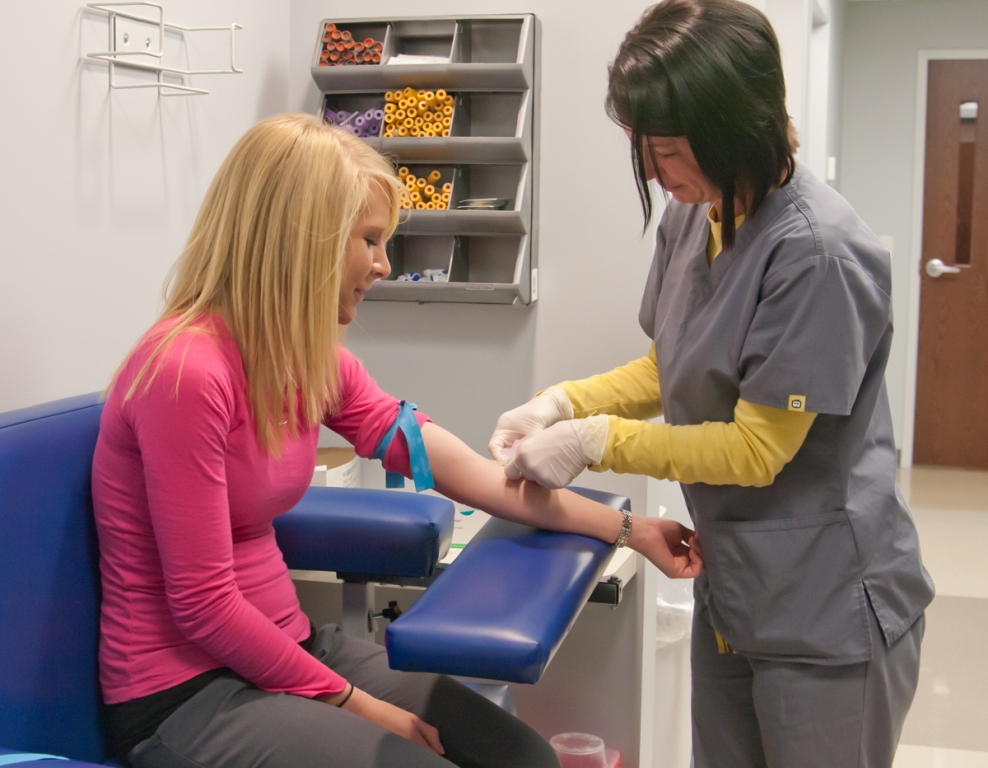
A phlebotomist training program is a specialized educational program designed to teach students the skills required to work as a phlebotomist. Phlebotomists are healthcare professionals who are responsible for drawing blood from patients for various purposes, such as diagnostic testing, transfusions, and research.
Phlebotomist training programs typically cover a range of topics, including venipuncture techniques, blood collection procedures, medical terminology, anatomy and physiology, infection control, and patient interaction. These programs may be offered by community colleges, vocational schools, hospitals, and other healthcare facilities.
Benefits of Completing a Phlebotomist Training Program
There are several benefits to completing a phlebotomist training program, including:
- Increased job opportunities: Completing a phlebotomist training program can make you a more competitive candidate for phlebotomy positions.
- Specialized knowledge: You’ll learn the specific skills and knowledge needed to excel as a phlebotomist.
- Hands-on experience: Many training programs include clinical rotations or internships where you can gain practical experience in a real healthcare setting.
- Professional certification: Some phlebotomist training programs prepare students to sit for certification exams, such as the Certified Phlebotomy Technician (CPT) exam.
Practical Tips for Success in a Phlebotomist Training Program
If you’re considering enrolling in a phlebotomist training program, here are some practical tips to help you succeed:
- Stay organized and manage your time effectively to keep up with coursework and assignments.
- Practice your venipuncture techniques regularly to build confidence and proficiency.
- Seek out opportunities for hands-on experience through internships or volunteer work.
- Develop strong communication skills to interact effectively with patients and healthcare professionals.
- Stay up-to-date on industry trends and best practices to ensure you’re providing high-quality care.
Case Study: A Phlebotomist’s Journey
Let’s take a look at Sarah, a recent graduate of a phlebotomy training program. Sarah was passionate about healthcare and wanted to work directly with patients. She enrolled in a phlebotomist training program at her local community college and excelled in her coursework and clinical rotations.
After completing her program and obtaining her phlebotomy certification, Sarah landed a job at a busy hospital where she performs blood draws on patients of all ages and backgrounds. She loves the variety of her work and the opportunity to make a difference in patients’ lives every day.
First-Hand Experience: The Importance of Phlebotomist Training
I sat down with Emily, a phlebotomist with five years of experience, to discuss the importance of phlebotomist training. Emily emphasized the value of hands-on experience and mentorship during training, as well as the importance of ongoing education to stay current in the field.
“Phlebotomy training gave me the skills and confidence I needed to succeed in my career,” Emily said. “I encourage anyone interested in phlebotomy to invest in a quality training program to lay a solid foundation for their career.”
Conclusion
Phlebotomist training programs are essential for aspiring phlebotomists to gain the skills and knowledge needed to excel in this rewarding field. By enrolling in a reputable training program, you can increase your job prospects, gain specialized knowledge, and build the confidence to succeed as a phlebotomist. With practical tips for success and real-life case studies, you’ll be well-equipped to embark on your phlebotomy journey with confidence.
Remember, completing a phlebotomist training program is just the first step in your career. Stay curious, continue learning, and seek out opportunities for growth to become a top-notch phlebotomist. Good luck!
