Title: Comprehensive Guide to Training Phlebotomy: A Step-by-Step Approach
Introduction:
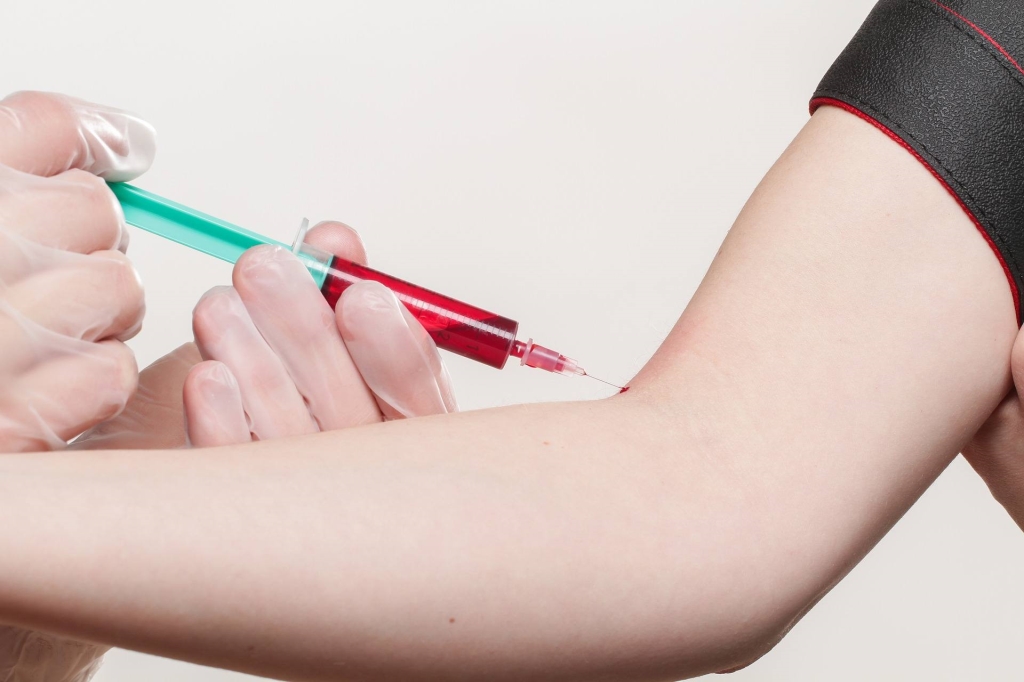
Phlebotomy, the process of drawing blood from patients for medical testing, transfusions, research, or donation, is a crucial skill in the healthcare industry. Proper training in phlebotomy is essential to ensure accurate and efficient blood collection while prioritizing patient safety and comfort. In this comprehensive guide, we will explore the ins and outs of training in phlebotomy, including its benefits, practical tips, and case studies.
Benefits of Training in Phlebotomy:
1. Increased Job Opportunities: With the demand for skilled phlebotomists on the rise, completing training in phlebotomy can significantly increase your job prospects in healthcare facilities, laboratories, and blood donation centers.
2. Competitive Salary: Certified phlebotomists typically earn a competitive salary, making training in phlebotomy a valuable investment in your career.
3. Career Advancement: Training in phlebotomy can serve as a stepping stone to other healthcare professions, such as nursing or medical assisting, providing opportunities for career advancement.
4. Job Satisfaction: The rewarding nature of helping patients through the blood collection process can lead to a high level of job satisfaction for phlebotomists.
Practical Tips for Training in Phlebotomy:
1. Enroll in an Accredited Program: Choose a phlebotomy training program accredited by organizations such as the National Accrediting Agency for Clinical Laboratory Sciences (NAACLS) to ensure quality education and certification eligibility.
2. Practice Venipuncture Techniques: Practice venipuncture techniques on training models, fellow students, or volunteer participants to develop proficiency and confidence in blood collection.
3. Study Anatomy and Physiology: Understanding the anatomy and physiology of blood vessels and the circulatory system is essential for successful blood draws.
4. Seek Hands-On Experience: Take advantage of clinical rotations or experiential learning opportunities to gain real-world experience in phlebotomy practices.
5. Obtain Certification: Consider pursuing certification through organizations like the National Healthcareer Association (NHA) or the American Society for Clinical Pathology (ASCP) to demonstrate your expertise and commitment to the field.
Case Studies:
Case Study 1: Emily, a recent graduate of a phlebotomy training program, secured a job at a local hospital and excelled in her role due to her comprehensive training and dedication to patient care.
Case Study 2: Michael, a phlebotomist with years of experience, decided to further his education by pursuing advanced training in phlebotomy techniques, leading to increased job satisfaction and career opportunities.
First-Hand Experience:
“I completed a phlebotomy training program and found it to be a rewarding experience. The hands-on practice and classroom instruction prepared me for a successful career in healthcare. I highly recommend training in phlebotomy to anyone interested in pursuing a fulfilling and in-demand profession.” – Sarah, Certified Phlebotomist
Conclusion:
Training in phlebotomy is a valuable investment in your healthcare career, providing you with the skills and knowledge necessary to excel in blood collection practices. By enrolling in an accredited program, practicing venipuncture techniques, and pursuing certification, you can set yourself up for success as a phlebotomist. Whether you’re a recent graduate, seasoned professional, or aspiring healthcare worker, training in phlebotomy can open doors to a fulfilling and rewarding career in the medical field. Start your journey today and make a difference in the lives of patients through the art of phlebotomy.
