**Title: Phlebotomist Degree Requirements: What You Need to Know**
**Introduction:**
If you’re interested in pursuing a career as a phlebotomist, it’s essential to understand the degree requirements involved in this field. Phlebotomists play a crucial role in healthcare settings by drawing blood from patients for various medical tests, donations, or transfusions. This article will outline the essential degree requirements for becoming a phlebotomist, as well as provide valuable information to help you kickstart your career in this rewarding field.
**What is a Phlebotomist?**
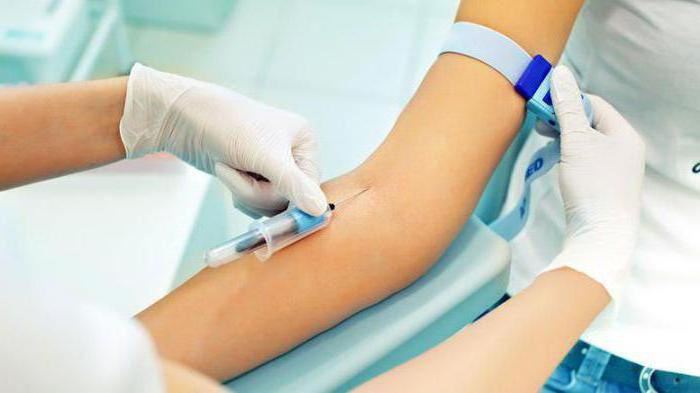
A phlebotomist is a healthcare professional trained to draw blood from patients for diagnostic, therapeutic, or donation purposes. They work in hospitals, clinics, laboratories, blood donation centers, and other healthcare settings. Phlebotomists must have excellent communication skills, attention to detail, and the ability to work well under pressure.
**Phlebotomist Degree Requirements:**
While a degree in phlebotomy is not always a requirement to become a phlebotomist, most employers prefer candidates who have completed a formal phlebotomy training program. These programs typically lead to a certificate or diploma in phlebotomy and cover essential topics such as anatomy, physiology, medical terminology, and venipuncture techniques.
**Phlebotomy Training Programs:**
Phlebotomy training programs are offered by community colleges, vocational schools, and healthcare organizations. These programs can typically be completed in a few months and include both classroom instruction and hands-on training in a clinical setting. Some programs may also require students to complete an internship or externship to gain practical experience.
**Degree Options for Phlebotomists:**
While a certificate or diploma in phlebotomy is the most common degree requirement for phlebotomists, some employers may prefer candidates who have completed an associate’s degree in a related field, such as medical assisting or healthcare administration. An associate’s degree can provide a more comprehensive education and may lead to additional career opportunities in the healthcare industry.
**Certification and Licensure:**
In addition to completing a formal training program, phlebotomists may also need to obtain certification or licensure to practice in their state. The most common certification for phlebotomists is the Certified Phlebotomy Technician (CPT) credential, which is offered by organizations such as the National Healthcareer Association (NHA) or the American Society for Clinical Pathology (ASCP).
**Benefits of Earning a Degree in Phlebotomy:**
– Increased job opportunities: Completing a formal training program and obtaining certification can make you a more desirable candidate to employers.
– Higher earning potential: Phlebotomists with advanced degrees or certifications may earn higher salaries than those without formal training.
– Career advancement: A degree in phlebotomy can open up opportunities for career growth and specialization within the healthcare industry.
**Practical Tips for Aspiring Phlebotomists:**
- Research phlebotomy training programs in your area and choose one that is accredited and reputable.
– Gain hands-on experience through internships or volunteer work to enhance your practical skills.
- Stay updated on industry trends and advancements by attending workshops, conferences, or continuing education courses.
**Conclusion:**
Becoming a phlebotomist can be a rewarding career choice for individuals who are passionate about healthcare and helping others. By understanding the degree requirements involved in this field and taking the necessary steps to pursue formal training and certification, you can embark on a successful career as a phlebotomist. Remember to stay informed, stay motivated, and never stop learning in this ever-evolving field of healthcare.
By following the guidelines and recommendations outlined in this article, you can effectively navigate the degree requirements for phlebotomists and take the first step towards a fulfilling and meaningful career in healthcare.
