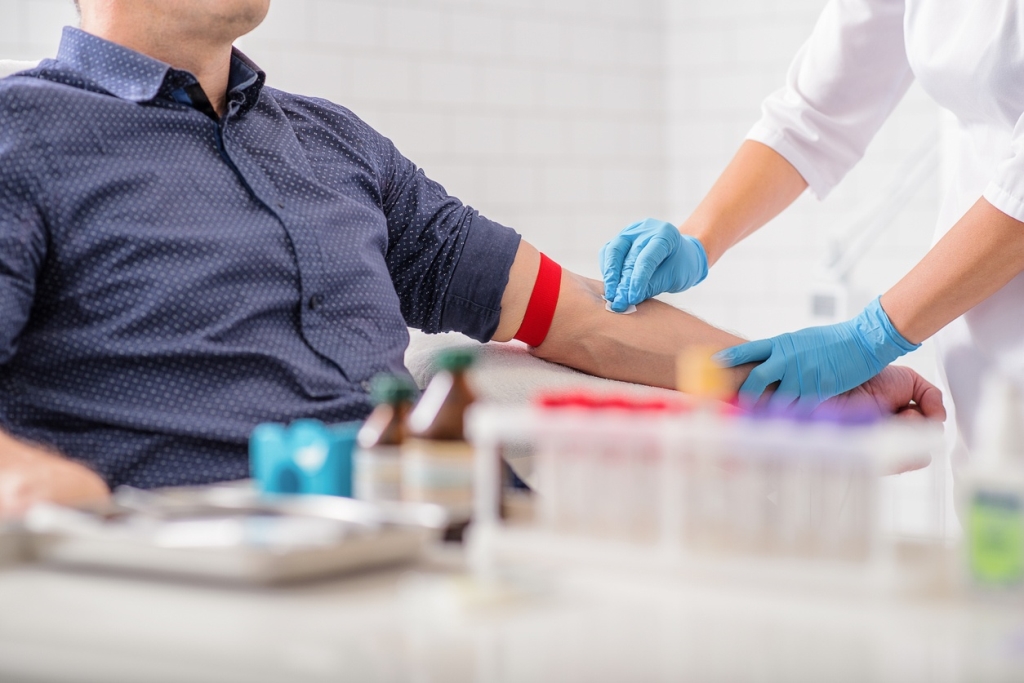
Is a Phlebotomist a Good Job? Pros, Cons, and Career Insights
If you’re considering a career in healthcare but aren’t sure where to start, becoming a phlebotomist could be a promising option. This role involves drawing blood for tests, transfusions, donations, and research. But is it a good job for you? In this complete guide, we’ll explore the benefits, challenges, salary expectations, and real-world insights into being a phlebotomist. Whether you’re just starting out or contemplating a career change, read on to discover if this fast-growing healthcare profession matches your goals and lifestyle.
What Does a Phlebotomist Do?
A phlebotomist is a trained healthcare professional responsible for collecting blood samples from patients. Thes samples are then used for diagnostic testing, blood donations, or research. While the job may seem straightforward, it requires technical skills, compassion, and attention to detail.
Key Responsibilities include:
- Preparing patients for blood draws
- Maintaining sterile equipment and adhering to safety protocols
- Labeling and processing blood samples
- communicating effectively with patients and healthcare staff
- Documenting procedures accurately
Is a Phlebotomist a Good Job? An overview
Choosing a career as a phlebotomist can be both rewarding and practical. It’s known for its relatively quick entry pathway,steady employment opportunities,and meaningful patient interactions. But like any profession, there are both advantages and challenges to consider.
Benefits and advantages of a Phlebotomy Career
- Short Training Period: Many programs take less than a year to complete, allowing you to start working quickly.
- High Employment Demand: The healthcare industry continually needs phlebotomists, especially in hospitals, clinics, or blood banks.
- Flexible Work Schedules: Many positions offer shifts during days, evenings, or weekends, providing work-life balance options.
- Decent Salary: The average annual salary tends to be competitive for entry-level healthcare roles.
- Personal Fulfillment: Helping patients and contributing to vital medical diagnoses provides a sense of purpose.
- Pathway to Further Healthcare Careers: Experience gained can be a stepping stone toward roles like medical technician, nurse, or healthcare administrator.
Challenges and Downsides of a Phlebotomy Career
- Physically Demanding: Standing for long periods,handling equipment,and sometimes dealing with challenging patients can be tiring.
- Emotional Strain: Encountering anxious or distressed patients requires patience and empathy.
- Exposure to Blood-borne Pathogens: Requires strict adherence to safety protocols and personal protective equipment (PPE).
- Repetitive Tasks: The work can become monotonous, especially in high-volume settings.
- Variable Work Environments: Shift work, including nights and weekends, may impact personal life.
Practical Tips for Aspiring Phlebotomists
- Get Certified: Certification from organizations like the American Society for Clinical Pathology (ASCP) can boost employability.
- Develop Soft Skills: Excellent interaction, patience, and compassion are key.
- Gain Hands-On Experience: Internships or volunteering can enhance your skills and confidence.
- Maintain Safety Standards: Always follow infection control protocols.
- Continue education: Stay updated on best practices and new techniques in blood collection.
Salary Expectations and Job Outlook for Phlebotomists
The demand for phlebotomists is expected to rise significantly in the coming years, driven by an aging population and increasing need for diagnostic testing.According to the U.S. Bureau of labor Statistics (BLS), the median annual salary for phlebotomists was approximately $37,000 in 2022, with geographic and experience-based variations.
Typical Salary Range
| Experience Level | Average Salary | Job Growth Rate |
|---|---|---|
| Entry-Level | $30,000 – $35,000 | +10% |
| Mid-career | $40,000 – $45,000 | +12% |
| Experienced | $45,000+ | +15% |
Real-Life Insights: Case Studies and personal Experiences
Many phlebotomists find their work deeply satisfying. As a notable example,Sarah,a certified phlebotomist with 3 years of experience,shares:
“One of the most rewarding moments is when a nervous patient leaves with a smile,feeling cared for. the job challenges me, but I enjoy knowing I’m contributing to important health outcomes.”
Another professional, James, highlights:
“The job can be physically demanding, but the job stability and the chance to connect with diverse people make it worthwhile.”
Career Growth and Advancement Opportunities
While many start their healthcare careers as phlebotomists, this role can serve as a launchpad into more advanced healthcare professions.Some pathways include:
- Medical Assistant
- Laboratory Technician
- Nursing
- Healthcare Governance
Final Thoughts: Is Becoming a Phlebotomist a Good Career Choice?
Deciding if a phlebotomist career is right for you depends on your interests,strengths,and career goals. It offers a pathway into healthcare with relatively quick training, competitive pay, and meaningful patient interaction. However,it also presents physical and emotional challenges that require resilience and dedication. If you value helping people, working in a dynamic habitat, and advancing your healthcare career in the future, becoming a phlebotomist could be an excellent choice.
Explore accredited training programs,consider job shadowing,and assess your comfort with clinical work. With the healthcare industry continually expanding, a career as a phlebotomist can provide stability, fulfillment, and opportunities for growth.
Ready to Start Your Journey?
If you’re interested in becoming a certified phlebotomist, research local training programs and certification requirements today. Your healthcare career could start with a single blood draw!
