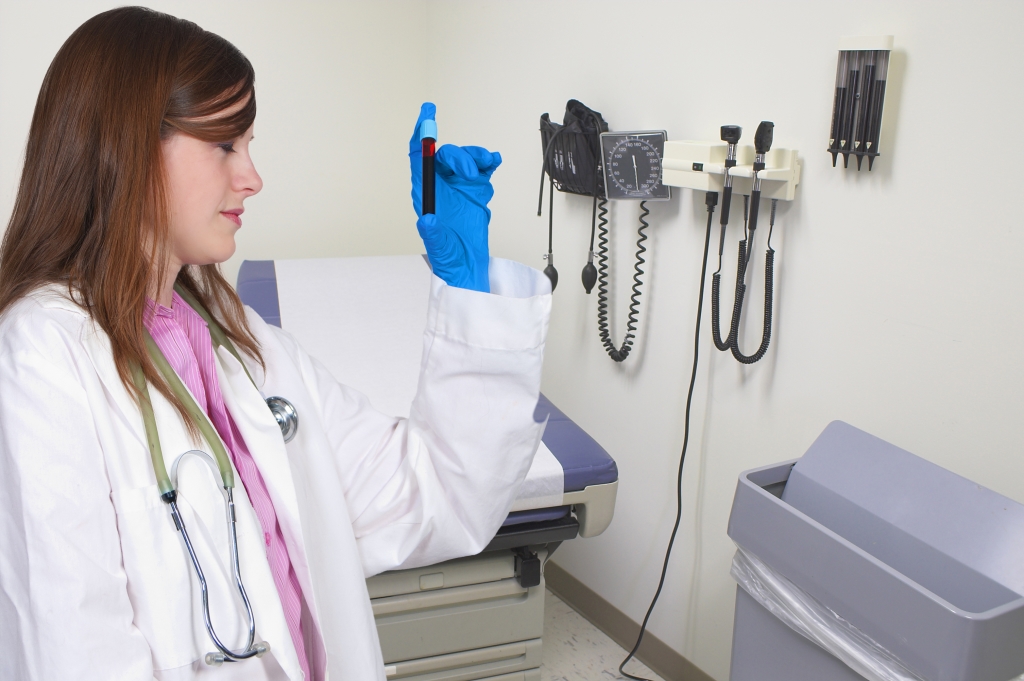
Top-Rated Accredited Phlebotomy Training Program: Your Gateway to Healthcare Certification
Embarking on a career in healthcare frequently enough begins with obtaining the right training and certification. Among the many health professions, phlebotomy-a crucial role involving blood sample collection-is in high demand due to the expanding healthcare industry and increasing medical testing requirements. Choosing a top-rated accredited phlebotomy training program can set you on the path to a rewarding career,providing the skills and certification needed to succeed in this vital healthcare role.
Introduction
In this comprehensive guide, we will explore what makes a phlebotomy training program stand out, why accreditation matters, and how to select the best program tailored to your career goals. Whether you are just starting in healthcare or looking to elevate your qualifications, understanding the essentials of accredited training programs is key to making an informed decision. let’s start with an overview of phlebotomy and its importance in the medical field.
What is Phlebotomy and Its Role in Healthcare?
Phlebotomy involves the practice of drawing blood samples from patients for laboratory testing, transfusions, or research. Phlebotomists are essential members of healthcare teams, ensuring that blood collection is performed safely, accurately, and ethically. Their work directly impacts diagnostics, treatment plans, and patient care outcomes.
why Accreditation Matters in Phlebotomy Training
Choosing an accredited phlebotomy training program ensures that the curriculum meets industry standards, that instructors are qualified, and that the certification you earn is recognized nationwide.Accreditation from reputable organizations like the National Accrediting Agency for Clinical Laboratory Sciences (NAACLS) or CAAHEP guarantees quality education and improved employment prospects.
Key Features of Top-Rated Accredited Phlebotomy Programs
- Comprehensive curriculum covering anatomy, infection control, specimen handling, and patient communication.
- Hands-on practice with modern equipment and real clinical environments.
- experienced instructors with clinical backgrounds.
- Flexible scheduling options including online and weekend classes.
- Certification exam readiness aligned with national standards.
- Post-graduation support such as job placement assistance and ongoing education.
Top-Rated accredited Phlebotomy Training Programs: an Overview
Below is a comparison of some of the best accredited programs in the country, designed to help aspiring phlebotomists choose the right fit.
| Program Name | location | Accreditation | Course Duration | Certification Offered |
|---|---|---|---|---|
| MedSkill Institute | Nationwide (Online & On-site) | NAACLS | 4 Weeks | Certified Phlebotomy Technician (CPT) |
| HealthPro Academy | California | CAAHEP | 8 weeks | Phlebotomy Certification |
| MedLearn Plus | Nationwide (Online) | NAACLS | 6 Weeks | CPBT (Certified Phlebotomy and Blood Collection Technician) |
Practical Tips for Choosing the Right Phlebotomy Program
Making an informed decision involves considering several factors that align with your career goals.Here are practical tips:
- Check accreditation: Ensure the program is accredited by a recognized agency.
- Review curriculum: Confirm the program covers both theoretical knowledge and practical skills.
- Evaluate clinical experience opportunities: Hands-on practice is crucial for confidence and competence.
- Assess scheduling options: Look for flexible formats if you are working or have other commitments.
- Consider certification alignment: The program should prepare you for national certification exams.
- Read reviews and success stories: Testimonials from past students can provide insights into program quality.
The benefits of Completing an Accredited Phlebotomy Program
- Enhanced employment prospects as employers prefer certified professionals from accredited programs.
- Higher earning potential with recognized certification.
- Improved skills and confidence through comprehensive hands-on training.
- Legal and safety compliance ensuring patient safety and adherence to healthcare standards.
- Pathway to advanced healthcare roles such as laboratory technologist or medical assistant.
Case Study: From Novice to Certified Phlebotomist
Meet Sarah: a recent graduate of an accredited phlebotomy program, Sarah was able to land her first job at a city hospital within two months of completing her training.Her hands-on experience and certification helped her stand out in a competitive job market. She now confidently performs blood draws, educates patients, and is considering further specialization in laboratory sciences.
First-Hand Experience: What to Expect
Students often ask what daily training entails. Expect:
- Classroom lessons on anatomy, physiology, and infection control.
- Supervised practice on mannequins and real patients.
- Clinical rotations in hospitals or clinics.
- Preparation for national certification exams.
Practical experience is the cornerstone of a accomplished phlebotomy career,providing confidence and competence in blood collection techniques.
Conclusion
Choosing a top-rated accredited phlebotomy training program is a crucial step toward securing a healthcare certification that opens doors to meaningful employment in the medical field. Not only does accreditation ensure high-quality education, but it also impacts your employability and career advancement.Whether you opt for online, on-site, or hybrid formats, prioritize programs with comprehensive curricula, hands-on training, and certification success rates. Embark on your healthcare journey today-your future as a certified phlebotomist awaits!
Remember: the right training program is an investment in your professional growth and your ability to make a difference in patients’ lives. Good luck!
