Essential Guide to Phlebotomy Courses: Discover Skills, Certification, and Career Benefits
Are you considering a career in healthcare and looking for a specialized yet rewarding role? Phlebotomy offers a promising pathway for aspiring medical professionals who want to make a difference through patient care. This complete guide will walk you through everything you need to know about phlebotomy courses, including essential skills, certification options, career benefits, practical tips, and real-world insights. Let’s dive into the world of phlebotomy and discover how these courses can open doors to a fulfilling healthcare career.
What Is Phlebotomy and Why Is It Vital?
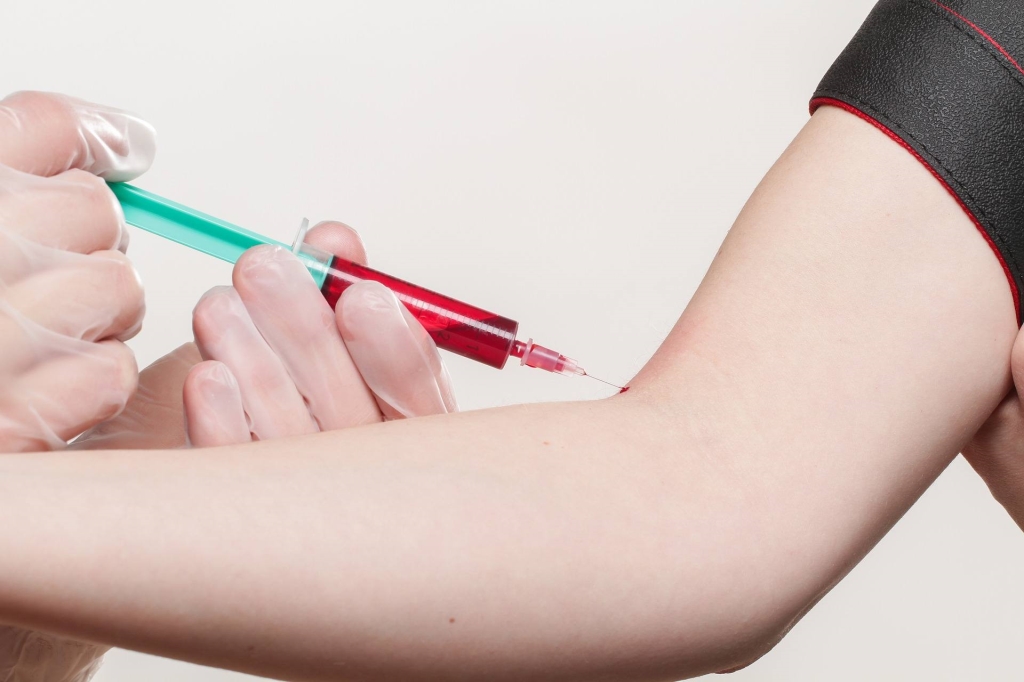
Phlebotomy is the practice of drawing blood from patients for medical testing, transfusions, donations, or research. Certified phlebotomists play a critical role in the healthcare system by collecting accurate blood samples, ensuring patient safety, and supporting diagnostic processes. As the demand for qualified phlebotomists grows, aspiring healthcare workers are increasingly turning to specialized phlebotomy courses to gain the necessary skills and certifications.
Key Skills Taught in Phlebotomy Courses
Completing a reputable phlebotomy course equips students with essential technical and interpersonal skills. These skills include:
- Venipuncture Techniques: Properly drawing blood using needles and vacuum tubes.
- Capillary Collection: Performing skin punctures for small blood samples.
- Patient Interaction: Communicating effectively and confidently with diverse patient populations.
- Safe and Hygienic Practices: Maintaining a sterile habitat to prevent infections.
- Labeling and Handling Samples: Ensuring specimen integrity from collection to laboratory processing.
- Understanding Anatomy and Physiology: Knowing the anatomy of veins, arteries, and related structures.
- Emergency Procedures: Responding to adverse reactions or complications during blood draws.
Choosing the Right Phlebotomy Course
Factors to Consider
- Accreditation: Verify if the course is accredited by recognized bodies like the National Healthcareer Association (NHA) or American Society for Clinical Pathology (ASCP).
- Curriculum Content: Ensure it covers both theory and practical skills.
- Hands-on Training: Look for programs that offer real-world lab and clinical practice.
- Certification Preparation: Courses that prepare students for certification exams increase employability.
- Location and Format: In-person vs. online courses depending on your schedule and learning preference.
- Cost and Duration: Compare tuition fees and program length for value and convenience.
Certification in Phlebotomy: Pathway to a Professional Career
Why Certification Matters
While some states allow phlebotomy practice without certification, obtaining industry-recognized certification substantially enhances your job prospects, earning potential, and credibility as a healthcare professional.
Popular Certification Options
| Certification Body | Eligibility requirements | Exam Format | Validity Period |
|---|---|---|---|
| National Healthcareer Association (NHA) | Completion of a recognized phlebotomy course + clinical experience | Multiple-choice exam | 3 years |
| american Society for Clinical Pathology (ASCP) | Training program + documented phlebotomy experience | Computer-based test | 3 years |
| American Medical Technologists (AMT) | Completion of approved training program | Written exam and skills evaluation | 3 years |
Career Benefits of Becoming a Certified Phlebotomist
Choosing a career in phlebotomy offers numerous advantages:
- High Demand: Growing need in hospitals, clinics, laboratories, and blood donation centers.
- Relatively Short Training Duration: Certification programs typically last from a few weeks to a few months.
- Decent Starting Salary: entry-level phlebotomists frequently enough earn competitive wages with opportunities for advancement.
- Entry Point in Healthcare: A stepping stone to other medical careers like nursing or laboratory technologist.
- Flexible Work Settings: Opportunities to work in hospitals, outpatient clinics, and mobile phlebotomy.
- Personal Fulfillment: Contributing directly to patient health and diagnostics.
Practical Tips for Success in Phlebotomy Courses
Effective Learning Strategies
- attend All Classes: Consistent participation improves understanding and skills.
- Practice Regularly: Use simulations and practice with supervision to build confidence.
- Seek Feedback: Constructive critique from instructors helps refine techniques.
- Learn Proper Safety Protocols: Prioritize patient safety and infection control measures.
Hands-on Experience
Leverage clinical rotations and lab practice to gain real-world experience, which is essential for certification and employment. Don’t hesitate to ask questions and observe seasoned professionals to learn best practices.
Case Study: Success Story of a Certified Phlebotomist
Jane doe, a recent graduate of a reputable phlebotomy course, completed her certification and secured a position at a busy city hospital. With her practical training and certification,she quickly adapted to the fast-paced environment,mastered venipuncture techniques,and earned commendation for her compassionate patient care. Today,she is pursuing further specialization in medical assisting,showcasing how a foundation in phlebotomy can open multiple healthcare pathways.
first-Hand Experience: What to Expect
Many students report that hands-on practice was the most beneficial aspect of their phlebotomy courses. Initial nervousness is common, but with proper training and support, students learn to handle challenging situations confidently. Remember, patience and professionalism are key in becoming an effective phlebotomist.
Conclusion
Embarking on a journey in phlebotomy through a certified and well-structured course can be a transformative step toward a rewarding career in healthcare. From learning vital blood collection skills to earning industry-recognized certification, the benefits are substantial. Whether you’re seeking a quick entry into the healthcare field or aiming to advance your medical career, phlebotomy courses provide a practical, flexible, and impactful pathway.Invest in your education today and start making a difference in patient lives!
