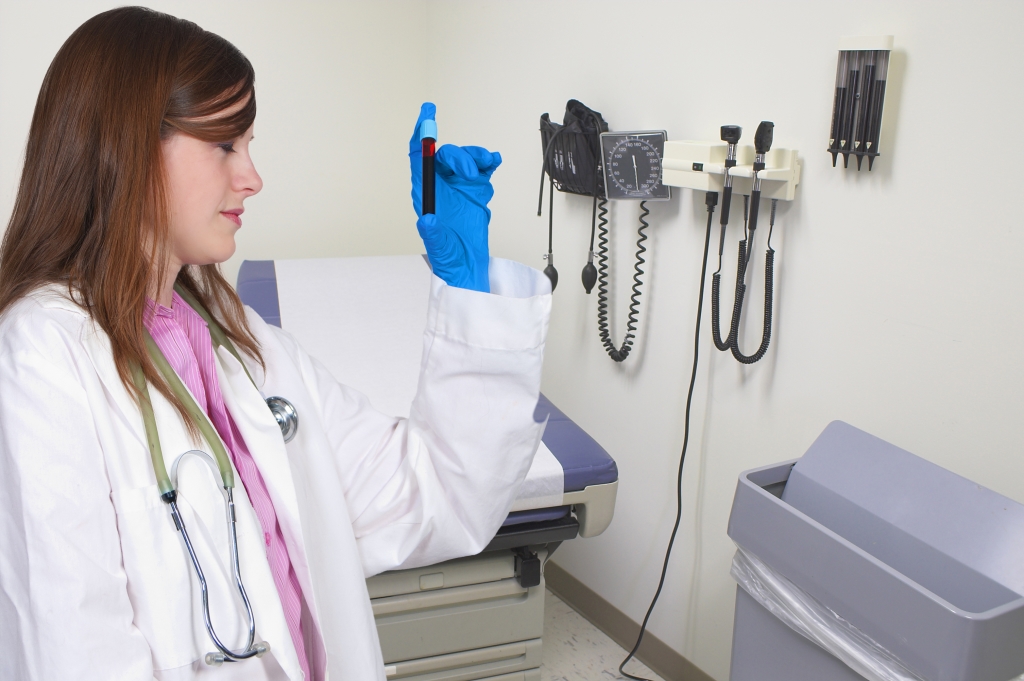
What Are the Key Responsibilities of a Phlebotomist? Essential Skills & Duties Explained
Embarking on a career as a phlebotomist can be incredibly rewarding for those interested in healthcare and patient care. These skilled professionals play a vital role in the medical field by collecting blood samples essential for diagnostic testing,research,and transfusions. But what exactly are the core responsibilities,skills,and duties a phlebotomist must master? In this complete guide,we’ll explore the essential elements of a phlebotomist’s role,shed light on their duties,and offer practical tips to succeed in this rewarding profession.
Understanding the Role of a Phlebotomist
A phlebotomist is a trained healthcare professional specializing in drawing blood from patients for laboratory testing, blood donations, transfusions, or research purposes.They serve as a critical link between patients and laboratories, ensuring the collection process is safe, efficient, and comfortable for patients.
Key Responsibilities of a phlebotomist
Being a phlebotomist involves a variety of responsibilities that ensure high-quality sample collection and patient care.Here are the primary duties and responsibilities that define this role:
Main Duties and Responsibilities
- Patient Identification and Verification: confirming the patient’s identity using proper methods to prevent sample mix-ups.
- preparation of Equipment and Supplies: Ensuring all needles, test tubes, and collection devices are sterile and ready for use.
- Blood Sample Collection: Using various techniques such as venipuncture and capillary puncture to draw blood safely and efficiently.
- Labeling and Documentation: Correctly labeling samples with patient details and recording collection details accurately.
- Patient Comfort and Safety: Providing reassurance, explaining procedures, and ensuring patient safety throughout the process.
- Handling and Processing of Samples: Transporting samples to laboratories, maintaining proper storage conditions, and documenting transport details.
- Adherence to Safety Protocols: following infection control protocols,including the use of personal protective equipment (PPE).
- Maintaining Equipment: Regular cleaning, sterilizing, and troubleshooting collections tools and devices.
- Data Entry and record Keeping: Updating patient records and maintaining confidentiality according to healthcare laws.
- Providing Excellent Patient Care: Offering empathy, support, and professionalism to enhance the patient experience.
Additional Responsibilities
- Assisting with blood donation drives
- Supporting laboratory staff with specimen processing
- Participating in ongoing training and certification updates
Essential Skills Required for a Phlebotomist
Successful phlebotomists possess a unique set of skills that facilitate effective blood collection and patient interaction. Here are some of the moast critical skills needed:
Technical Skills
- Venipuncture Expertise: Proficiency in inserting needles into veins accurately and minimally discomforting.
- Proper Specimen Handling: Knowledge of sample preservation and transportation requirements.
- Understanding of Laboratory Tests: Basic knowledge about blood tests to explain procedures and prepare samples accordingly.
Interpersonal Skills
- Effective Communication: Clearly explaining procedures to patients and addressing their concerns.
- Empathy and Compassion: Creating a calming environment, especially for anxious or distressed patients.
- Patience and Composure: Handling difficult cases with professionalism and patience.
Organizational and Safety Skills
- Attention to Detail: Ensuring samples are correctly labeled and recorded.
- Time Management: Managing multiple patients efficiently without compromising quality or safety.
- Adherence to Safety Protocols: Stringently following infection control procedures.
Practical Tips for Aspiring Phlebotomists
If you’re considering a career in phlebotomy, here are practical tips to develop the necessary skills and excel in the field:
- Get Certified: Pursue certification programs such as the National Phlebotomy Certification (CPT) or equivalent in your region.
- Practice Regularly: Hone your venipuncture skills through supervised practice sessions.
- Enhance Communication Skills: Learn how to calm fearful patients and explain procedures effectively.
- Stay Informed: Keep up with the latest safety protocols, equipment, and technological advancements.
- Develop Empathy: Approach every patient with patience and kindness to improve their comfort level.
Benefits of a Career as a phlebotomist
choosing a career as a phlebotomist offers numerous advantages:
- High Job Demand: The healthcare industry continually needs qualified phlebotomists, leading to strong job security.
- Relatively Short Training Path: Certification programs can often be completed in less than a year.
- Opportunities for Advancement: With experience, phlebotomists can move into supervisory roles or specialize in areas like pediatric or cardiology phlebotomy.
- Fulfilling Work: Helping patients and contributing to essential diagnostic processes.
- Community Impact: Playing a pivotal role in public health through blood donation drives and screenings.
Case Study: A Day in the Life of a Phlebotomist
| Time | Activity | Outcome |
|---|---|---|
| 8:00 AM | Preparing equipment and reviewing patient schedule | Ensures smooth operation and readiness for the day |
| 9:00 AM | First patient blood draw | Sample successfully collected with patient comfort prioritized |
| 11:00 AM | Assisting with blood donation drive | lots of donors cared for with professional expertise |
| 2:00 PM | labeling and documenting samples | Accurate tracking maintained for laboratory processing |
| 4:00 PM | equipment sterilization and patient follow-up | Safety protocols upheld and patient concerns addressed |
Conclusion
Becoming a phlebotomist is more than just performing blood draws; it’s about combining technical skills with compassion and professionalism. Their responsibilities are crucial to the healthcare system,providing essential support for diagnostic tests,treatment,and blood donations.If you’re detail-oriented, communicative, and dedicated to patient care, a career in phlebotomy can be both fulfilling and stable. Remember that continuous learning and honing your skills will ensure longevity and success in this vital medical field.
Ready to start Your Career in Phlebotomy?
If you’re interested in becoming a certified phlebotomist,explore accredited training programs,certification options,and job opportunities today. With the right skills and dedication, you’ll be making a meaningful difference in patients’ lives every day!
