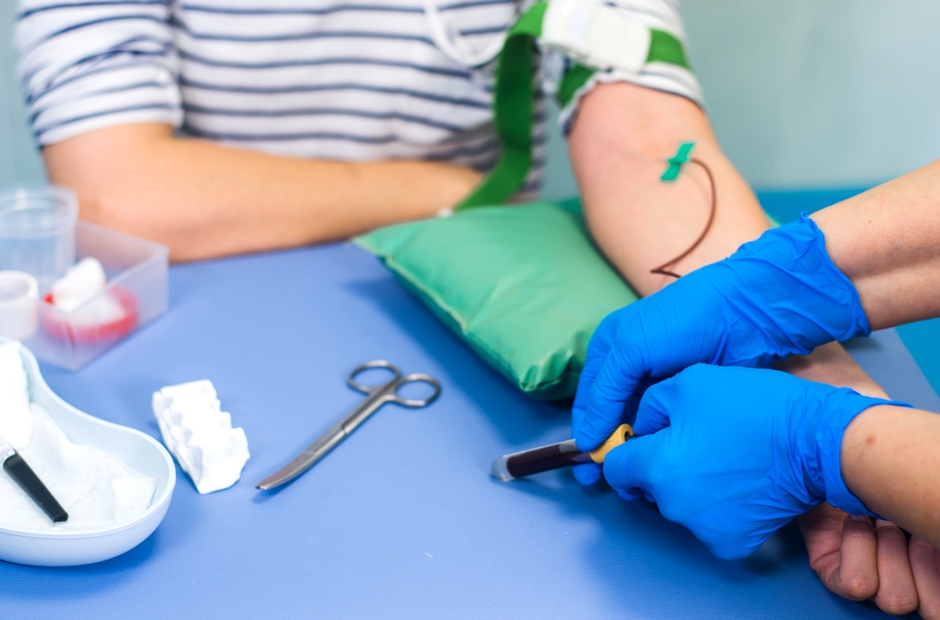
Expert Tips for Aspiring Phlebotomy lab Assistants: Yoru Path to a Rewarding Healthcare Career
Embarking on a career as a phlebotomy lab assistant can be incredibly rewarding, offering a vital role in the healthcare system by helping in diagnosing and monitoring patient health. If you’re passionate about healthcare,enjoy working with people,and have a keen eye for detail,then becoming a phlebotomy technician might be your ideal career path. In this extensive guide, we’ll share expert tips for aspiring phlebotomy lab assistants to help you develop the right skills, gain certification, and succeed in this fulfilling healthcare role.
Understanding the Role of a Phlebotomy Lab Assistant
Phlebotomy lab assistants, often called phlebotomy technicians, are responsible for drawing blood samples from patients for laboratory testing. This role is crucial in supporting diagnostic procedures, ensuring sample integrity, and maintaining patient safety. The job requires technical skills, compassion, attention to detail, and knowledge of healthcare protocols.
Key Skills and Qualities for Aspiring Phlebotomy Lab Assistants
To excel in this career, certain skills and personal qualities are essential:
- Strong interpersonal and communication skills
- Attention to detail and precision
- Steady hand and good fine motor skills
- Ability to work under pressure
- compassion and patience for patients, especially anxious or difficult ones
- Basic understanding of anatomy and medical terminology
Educational and training Requirements
Prerequisites for becoming a Phlebotomy Lab Assistant
Most employers and certification programs require a high school diploma or GED. Some positions may prefer or require completion of specialized training programs.
Recommended Training and certification
Enrolling in a reputable phlebotomy training program is crucial. These programs typically cover:
- Blood collection techniques
- patient care and communication
- Infection control and safety protocols
- Laboratory procedures and sample handling
- Legal and ethical considerations
Certification is a significant step toward advancing your career. The National Phlebotomy Association (NPA) and the American Medical Technologists (AMT) offer recognized credentials like Certified Phlebotomy Technician (CPT) or Registered Phlebotomy Technician (
Practical Tips for Aspiring Phlebotomy Lab Assistants
Gain Hands-On Experience
Practical experience is vital. seek internships, externships, or volunteering opportunities at hospitals, clinics, or laboratories to build confidence and competence in venipuncture procedures.
Develop Excellent Patient Interaction Skills
Learn to communicate clearly, reassure anxious patients, and maintain professionalism. Empathy and patience can make a significant difference in patient comfort and your job satisfaction.
Stay Informed on Industry Standards
Keep up with the latest in healthcare regulations, safety protocols, and technological advancements in lab testing. Joining professional groups or online forums can help you stay connected and informed.
Invest in Certification and Continuing Education
Certifications not only boost your credibility but also make you more competitive in the job market.Additionally, pursuing continuing education can help you learn new skills and advance your career.
Benefits of a Career in Phlebotomy
| Benefit | Description |
|---|---|
| High Demand | Growing healthcare industry creates numerous job opportunities. |
| Entry-Level Accessibility | Short training programs mean faster entry into the workforce. |
| Rewarding Work | Directly impact patient care and contribute to health diagnostics. |
| Career Advancement | Opportunities to specialize or move into supervisory roles. |
Case Study: From Novice to Certified Phlebotomy Technician
Meet Sarah, who started as a volunteer in a local clinic and aspired to become a certified phlebotomy technician.She enrolled in a certified program, gained hands-on experience through externships, and obtained her certification within six months. Today,Sarah works at a busy hospital,enjoys a stable salary,and is planning to specialize further in pediatric phlebotomy. Her story illustrates how dedication, practical experience, and certification can propel you toward a fulfilling healthcare career.
First-Hand Experience: What to Expect
Starting as a phlebotomy lab assistant, be prepared for:
- Early mornings and patient interactions
- Physical activity - walking, standing, and handling equipment
- Learning from experienced professionals
- Maintaining hygiene and safety standards
Remember, patience and a willingness to learn are your best tools in this role.
Conclusion: Your Pathway to a Rewarding Healthcare Career
Becoming a phlebotomy lab assistant is a fantastic entry point into the healthcare sector. By developing the right skills, obtaining proper training and certification, and gaining practical experience, you can build a fulfilling career helping patients and supporting diagnostic labs. Stay committed, keep learning, and leverage your compassionate nature – your rewarding healthcare career as a phlebotomy technician awaits!
If you’re ready to start your journey, explore accredited training programs in your area, connect with industry professionals, and take the first step towards a dynamic and impactful healthcare profession.
