CNA vs. phlebotomy: Which Healthcare Career path suits You Best?
Choosing a career in healthcare is a meaningful decision that can lead to a fulfilling and stable profession.Two popular pathways for aspiring healthcare workers are becoming a Certified Nursing Assistant (CNA) and a Phlebotomist. While both roles involve direct patient interaction and contribute significantly to patient care,they differ in responsibilities,training requirements,job outlook,and daily work activities. This comprehensive guide compares the CNA and Phlebotomy career paths to help you determine which best aligns with your interests, skill set, and long-term goals.
Understanding the Roles: CNA vs. Phlebotomy
What is a Certified Nursing Assistant (CNA)?
A Certified Nursing Assistant (CNA) provides basic patient care under the supervision of registered nurses (RNs) or licensed practical nurses (LPNs). CNAs work in hospitals,nursing homes,assisted living facilities,and long-term care settings.Their duties include helping patients with daily activities such as bathing, dressing, feeding, and mobility. They also monitor vital signs and report changes to the medical team.
What is a Phlebotomist?
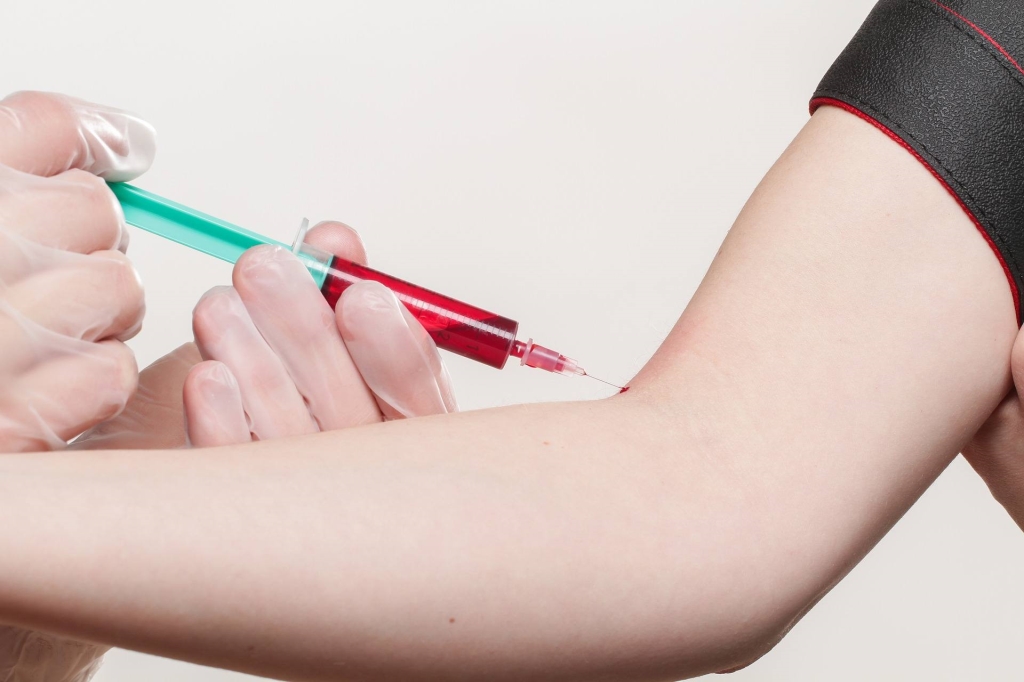
A Phlebotomist specializes in drawing blood samples from patients for laboratory testing, transfusions, donations, or research purposes. They work primarily in hospitals, diagnostic labs, blood banks, and clinics. Phlebotomists must be skilled in blood collection techniques, patient interaction, and safety procedures to ensure accurate specimen collection and patient comfort.
Key Differences Between CNA and Phlebotomy
| Feature | CNA | Phlebotomist |
|---|---|---|
| Primary Role | Patient care and assistance with daily activities | Blood collection and specimen handling |
| Training duration | 4-8 weeks | 1-4 weeks |
| Certification Requirements | State-approved CNA training program + exam | Phlebotomy certification (varies by state) |
| Work Environment | Hospitals, nursing homes, assisted living | Labs, hospitals, blood banks |
| Salary Range (Annual) | $25,000 - $35,000 | $30,000 - $40,000 |
| Job Outlook | Growing demand, especially in nursing homes and hospitals | Steady growth, with increased need for blood testing |
| Physical Demand | Moderate (lifting, assisting patients) | Low (mainly standing, fine motor skills) |
Benefits of Choosing a CNA or Phlebotomy career
Benefits of Becoming a CNA
- Quick entry into healthcare with a short training period
- High demand across various healthcare facilities
- Opportunity to gain patient care experience
- Foundation for advanced healthcare roles
- Flexible working hours, including night shifts
Benefits of Pursuing a Phlebotomy career
- Rapid certification process to start working quickly
- High employment stability with the rise of diagnostic testing
- Specialized skill that is transferable across multiple medical settings
- Potential for higher initial salary compared to CNAs
- Less physically demanding compared to some nursing roles
Practical Tips for Choosing the Right Path
- Assess Your Interests: Do you enjoy providing holistic patient care and assisting with daily activities? Or are you more interested in laboratory work and precision specimen collection?
- Consider Your Strengths: Are you comfortable with physical activity and emotional support (CNA) or do you prefer technical skills and working behind the scenes (Phlebotomy)?
- Research Certification Programs: Check local requirements, program availability, and costs for CNA training and phlebotomy courses.
- Evaluate Job Prospects: Analyze the demand and growth in your region for both careers.
- Plan for Advancement: CNA positions can lead to LPN or RN roles, while phlebotomy can serve as a stepping stone into specialized medical fields.
Case Studies: Real-Life insights
Jane’s Journey: From CNA to Registered Nurse
Jane started as a CNA after completing a 6-week training program.She loved the direct patient interactions but wanted to advance her healthcare career. She enrolled in an LPN program, than went on to become an RN.Today, Jane works in a busy hospital, combining her caregiving skills with clinical expertise.
Michael’s Transition from Phlebotomy to Laboratory Technician
michael worked as a phlebotomist for three years, gaining valuable laboratory experience and technical skills. He decided to continue his education and is now pursuing a medical laboratory technician certification, opening doors to more specialized roles in diagnostics.
First-hand Experience and Testimonials
“Becoming a CNA was a rewarding experience. I loved helping patients feel cared for, and the short training kept me motivated to enter the workforce quickly.” – Sarah M.
“Phlebotomy appealed to me because it offered a quick certification and a chance to work in medical labs. It’s detailed work,but I enjoy the precision and patient interaction.” – David R.
Conclusion
Both CNA and Phlebotomy careers provide valuable entry points into the healthcare industry, each with its unique rewards, challenges, and growth opportunities. If you enjoy providing comprehensive patient care and building relationships with individuals, becoming a CNA might be the best fit. Conversely, if you prefer working in a clinical setting, focusing on technical skills like blood collection, phlebotomy offers a rewarding and stable career option.
Ultimately, your choice should align with your interests, strengths, and long-term workforce goals. Whichever path you choose, entering the healthcare field is a meaningful step towards making a difference in people’s lives while building a rewarding career.
