Ultimate Guide to Hospital Phlebotomy Training: Boost Your Career in Healthcare
Are you interested in a rewarding career in healthcare that combines technical skills with patient care? Hospital phlebotomy training offers a fantastic pathway into the medical field, opening doors to diverse opportunities in hospitals, clinics, and diagnostic laboratories. Whether you’re a beginner seeking to start your healthcare journey or a healthcare professional aiming to specialize further, understanding the essentials of phlebotomy training is crucial. In this comprehensive guide, we’ll explore everything you need to know about hospital phlebotomy training, including certification requirements, practical skills, benefits, and tips to succeed in this vital healthcare role.
What Is Hospital phlebotomy?
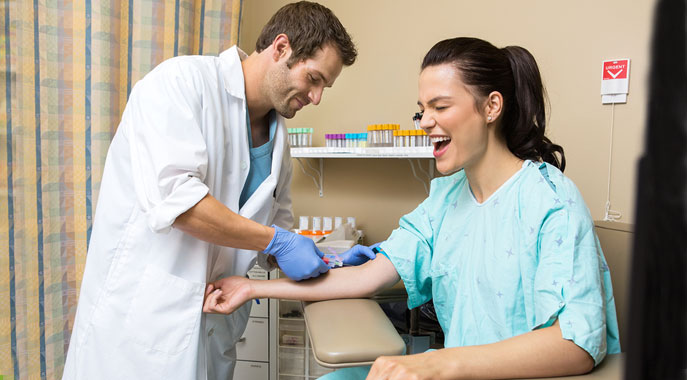
Phlebotomy involves drawing blood samples from patients for diagnostic testing, blood donations, or medical research. Although seemingly straightforward, triumphant phlebotomy requires technical expertise, patient handling skills, and attention to safety protocols-especially within hospital settings.Trained hospital phlebotomists play a pivotal role in patient diagnosis and care management, making this a highly valued healthcare profession.
Why Pursue Hospital Phlebotomy Training?
- High demand in healthcare: Hospitals consistently need skilled phlebotomists due to the increasing demand for laboratory testing.
- Quick certification process: Many training programs can be completed within a few months, offering rapid career entry.
- Entry-level healthcare job: No extensive prior experience required-ideal for newcomers.
- Career advancement opportunities: Specializations, supervisory roles, or transition into related medical fields.
- Competitive salary: Phlebotomists typically earn a fair wage with many employment options available.
What Does Hospital Phlebotomy Training Cover?
Effective hospital phlebotomy training programs are designed to equip students with both theory and hands-on skills. Here’s what you can expect to learn:
Core Curriculum Topics
- Medical terminology and anatomy relevant to blood collection
- Overview of the healthcare system and hospital protocols
- Venipuncture techniques and equipment handling
- Capillary blood collection procedures
- Infection control and patient safety measures
- labeling, transport, and storage of specimens
- Legal and ethical considerations in blood collection
- Handling difficult or anxious patients
- Emergency procedures and first aid
Practical Skills Development
Along with classroom learning, training emphasizes hands-on practice using:
- Venipuncture simulation arms
- Live blood collection under supervision
- Patient interaction role-playing
- Proper disposal of sharps and biohazard materials
Certification and Licensing Requirements
To work as a hospital phlebotomist, obtaining certification is highly recommended-and in some regions, mandatory. Here’s a quick breakdown:
| Region | Certification Needed? | Certifying Bodies |
|---|---|---|
| United States | Yes,recommended | American Society for Clinical Pathology (ASCP),National Phlebotomy Association (NPA),American Medical Technologists (AMT) |
| Canada | Varies by province | Canadian Society for Medical Laboratory Science (CSMLS) |
| European countries | Mandatory in some countries | National health authorities and professional bodies |
Certification exams typically assess knowledge,practical skills,and adherence to safety protocols. Completing an accredited training program enhances job prospects and credibility.
Benefits of Hospital Phlebotomy training
- Increased employability: Certified phlebotomists are preferred by hospitals and clinics.
- Skill enhancement: Practical training boosts confidence and competence in blood collection.
- Patient interaction: possibility to develop excellent dialogue and patient management skills.
- Foundation for advanced healthcare careers: Pathway to nursing, medical laboratory science, or healthcare governance.
- Job stability: Healthcare always requires skilled professionals, providing long-term job security.
Practical Tips for Successful Hospital Phlebotomy Training
- Choose accredited courses: Ensure the program is recognized by relevant health authorities.
- Engage in hands-on practice: Take advantage of simulation labs and internships.
- Maintain hygiene and safety standards: Always follow infection control protocols.
- Develop strong communication skills: Compassion and clarity improve patient experience.
- Stay current on medical guidelines: Continue education to keep up with new techniques and regulations.
Case Studies: Real-Life Success Stories
Many professionals have transitioned into lucrative healthcare careers through hospital phlebotomy training. Such as:
Case Study 1: From Student to Certified Phlebotomist
Jane, a recent graduate, completed a 12-week hospital phlebotomy training program. Within three months, she secured a position at a major hospital, earning certification through the american Society for Clinical Pathology. Her confidence and technical skills grew rapidly, leading to potential specialization in pediatric phlebotomy.
Case Study 2: Phlebotomist Advancing to Laboratory Technician
Michael started as an entry-level phlebotomist after completing his training. With experience and additional certifications, he transitioned into a laboratory technician role, increasing his salary and career scope.
First-Hand Experience: What It’s Like to Work as a Hospital Phlebotomist
Working in a hospital environment involves fast-paced teamwork,patient interaction,and precision. Many phlebotomists describe the role as highly satisfying, knowing thay contribute directly to accurate diagnoses and patient health management.Challenges include dealing with difficult veins, anxious patients, or emergency situations-but proper training prepares you to handle these professionally.
Conclusion
Embarking on a career in hospital phlebotomy is an excellent decision for aspiring healthcare professionals. With comprehensive training, certification, and practical experience, you can unlock numerous opportunities in the medical field. Not only does this role offer job stability and competitive pay, but it also provides the satisfaction of making a tangible difference in patients’ lives. Whether you’re just starting or looking to advance your healthcare career, hospital phlebotomy training is your gateway to a fulfilling and in-demand profession.
Ready to begin your journey? Explore accredited hospital phlebotomy training programs today and take the first step toward a rewarding healthcare career!
