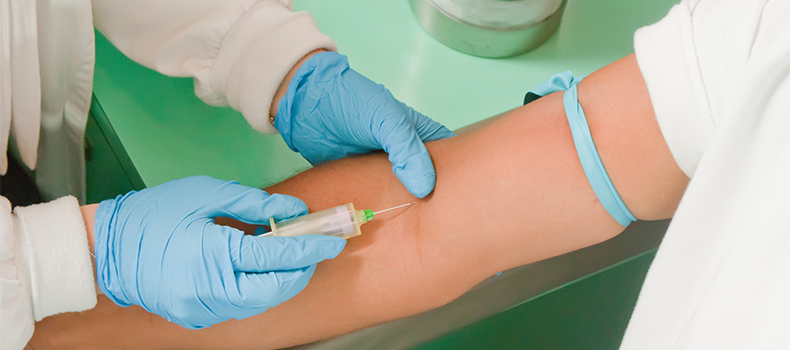
How to Get Phlebotomy Certification: step-by-Step guide to Launch Your Healthcare Career
Are you considering a rewarding career in healthcare? Becoming a certified phlebotomist is a fantastic way to enter the medical field, helping patients and working in various healthcare settings like hospitals, clinics, and laboratories. This comprehensive guide will walk you through the essential steps to obtain your phlebotomy certification, the benefits of certification, practical tips, and real-world advice to launch your healthcare career successfully.
Introduction
Phlebotomy is a vital component of healthcare.Certified phlebotomists are trained professionals responsible for drawing blood for tests, transfusions, research, or donation. The demand for qualified phlebotomists is steadily increasing, making it a promising career choice. But how do you become certified? This guide provides a clear, step-by-step overview of the process, ensuring you have all the information needed to start your journey into this rewarding healthcare role.
Why Get a Phlebotomy Certification?
Obtaining a phlebotomy certification offers numerous benefits:
- Enhanced Employability: Certification makes you more competitive in the job market.
- Increased Credibility: Demonstrates your skills and knowlege to employers and patients.
- Potential for Higher Salary: Certified professionals often earn more than those without certification.
- Foundation for further Career Development: Certification can serve as a stepping stone to advanced healthcare roles.
Step 1: meet Basic Educational and Prerequisite Requirements
Before embarking on your certification journey, ensure you meet the basic educational requirements:
- High School Diploma or GED: Most certification programs require at least a high school diploma or equivalent.
- age: Typically, applicants must be at least 18 years old.
- Background Check: Some programs or employers may require a criminal background check.
- Physical Requirements: Ability to stand for extended periods and perform venipuncture procedures.
Step 2: Enroll in a Certified Phlebotomy Training Program
The next step involves completing a comprehensive phlebotomy training program. These are offered by community colleges,vocational schools,or healthcare institutions. Look for programs that are accredited by recognized bodies such as the National Accrediting Agency for Clinical Laboratory Sciences (NAACLS).
What to Expect in a Phlebotomy Training Program
- Theoretical Knowledge: anatomy, physiology, blood collection procedures, safety protocols.
- Practical Skills: Hands-on training in venipuncture, capillary draws, and handling samples.
- Duration: Usually lasts from 4 to 12 weeks, depending on the program.
Sample Course Overview
| Course Module | Details |
|---|---|
| Basic Anatomy | Understanding blood vessel locations |
| Venipuncture Techniques | Practical training and safety protocols |
| Sample Handling | Proper collection and storage methods |
Step 3: Complete the Required Phlebotomy Practice Hours
Most certification programs require a minimum number of blood draws under supervision, typically ranging from 20 to 100 prosperous venipunctures. This practical experience is crucial for building confidence and competence.
Benefits of Hands-On Practice
- Prepares you for real-world scenarios
- Builds trust with your patients
- Increases your chances of passing the certification exam
Tip: Keep a log of your practice hours and successful procedures to document your experience for certification requirements.
Step 4: Prepare and Pass Your Phlebotomy Certification Exam
once you complete your training and practice hours, you’re ready to take the certifying exam. The most recognized certifying bodies include:
- National Phlebotomy Association (NPA)
- american Society for Clinical Pathology (ASCP)
- national Certification Agency (NCA)
Exam Planning Tips
- Review all course materials and practice questions
- Take mock exams to identify weak areas
- focus on safety, patient communication, and sample handling
- Ensure you understand infection control and OSHA guidelines
Certification Bodies Overview
| Organization | Requirements | Issued Certification |
|---|---|---|
| NPA | training + 20 blood draws | Certified Phlebotomy Technician (CPT) |
| ASCP | Training + 50 blood draws | Registered Phlebotomy Technician (RPht) |
| NCA | Training + practice hours | Certified Phlebotomist (CP) |
Step 5: Obtain Your Phlebotomy Certification and Start working
After passing your exam, you’ll receive your certification card. With this credential, you can apply for phlebotomy jobs across hospitals, diagnostic labs, blood donation centers, and healthcare clinics.
Benefits of Being a Certified Phlebotomist
- Job Stability: Increasing demand in healthcare settings ensures a steady job outlook.
- Career Advancement: Certification opens doors for specialized roles, such as immunology or laboratory technician.
- Personal Fulfillment: Helping patients and making a tangible difference in healthcare.
Practical Tips for Success in Your Phlebotomy Career
- Maintain good communication skills to calm anxious patients.
- Stay updated on safety protocols and industry standards.
- Invest in continuous learning and certifications for career growth.
Case Study: From Student to Certified Phlebotomist
Meet Lisa,who started her journey as a high school graduate with an interest in healthcare. After enrolling in a reputable training program, she completed her required practice hours, prepared diligently for her exam, and obtained her certification. today,Lisa works at a busy hospital lab and has plans to pursue further specialization in laboratory sciences. Her story exemplifies how the certification pathway can turn your passion into a successful healthcare career.
Conclusion
Getting your phlebotomy certification may seem like a detailed process,but with clear steps,dedication,and the right training,you can successfully launch your healthcare career. Certified phlebotomists are in high demand, and this role offers a rewarding way to contribute to patient care while establishing a stable profession. Follow this step-by-step guide, leverage practical tips, and seize the opportunity to make a difference in healthcare.Your journey to becoming a certified phlebotomist starts today!
Ready to Start Your Phlebotomy Journey?
Research accredited training programs in your area, prepare for your certification exam, and take the first step toward a fulfilling healthcare career as a certified phlebotomist. The medical field awaits your skills and compassion!
