Master the Art of Phlebotomy: Your Ultimate Guide to STCC Phlebotomy Certification and Training
If you’re interested in advancing your healthcare career or looking to become a skilled phlebotomist, understanding the importance of proper training and certification is essential.St. Louis Community College (STCC) offers extensive phlebotomy certification programs designed to equip aspiring professionals wiht the skills, knowledge, and confidence needed to excel in this vital medical field. In this guide, we’ll walk you through everything you need to know to master the art of phlebotomy, including program details, benefits, practical tips, and real-life insights.
What is Phlebotomy and Why is it Significant?
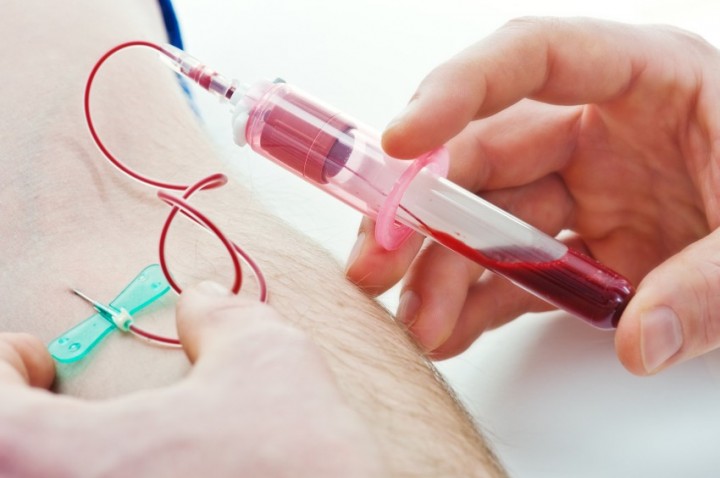
Phlebotomy involves the collection of blood samples from patients for diagnostic testing, blood donations, or medical research.As a critical part of healthcare, proficient phlebotomists play a vital role in patient care and medical diagnosis. their work directly impacts the accuracy of lab results, making their training and certification crucial to quality patient outcomes.
STCC Phlebotomy Certification and Training Program Overview
St. Louis Community College offers a dedicated phlebotomy Certification Program that prepares students to perform blood draws confidently and competently. The program combines classroom instruction, hands-on clinical practice, and comprehensive exam preparation to ensure graduates are ready to enter the workforce.
Key Components of the STCC Phlebotomy Program
- Theoretical coursework: Anatomy,physiology,medical terminology,infection control,and patient communication.
- Practical training: Supervised venipunctures, capillary punctures, and handling of medical equipment.
- Clinical rotations: Hands-on experience in hospital or laboratory settings.
- certification exam preparation: Practice tests and review sessions to prepare for the national certification exam.
Eligibility and Admission Requirements
- High school diploma or equivalent
- Completion of prerequisite coursework
- Ample interpersonal skills and attention to detail
- Background check and immunizations (as required)
Benefits of Earning STCC Phlebotomy Certification
- Enhanced employability: Certified phlebotomists are in high demand across hospitals,clinics,and labs.
- Increased earning potential: Certification can boost salary prospects.
- Professional credibility: Certification validates your skills and knowledge.
- Career advancement: Opens pathways to specialized roles or further healthcare education.
Steps to Become a Certified phlebotomist with STCC
- Meet the program eligibility criteria.
- Enroll in the STCC phlebotomy training program.
- Complete all coursework and clinical training sessions.
- Prepare for and pass the national certification exam (e.g., ASCP, NHA).
- Obtain your certification credential.
- Seek employment in healthcare settings.
Practical Tips for Aspiring Phlebotomy Students
- Practice rigorously: The more blood draws you perform during practice sessions, the more confident you’ll become.
- Maintain professionalism: Be patient, compassionate, and mindful of patient comfort.
- Stay organized: Keep track of clinical hours, immunizations, and certification exam dates.
- Continuously learn: Stay updated with new procedures, safety protocols, and industry standards.
- Network: Connect with professionals in the field through forums, seminars, and career fairs.
Success Stories and First-Hand Experiences
Many students who have completed the STCC phlebotomy program share that hands-on practice and supportive instructors are key to building confidence. Jane D., a recent graduate, stated:
“The clinical rotations gave me real-world experience I couldn’t get elsewhere. Passing the certification exam was a milestone, but the practical skills I gained truly prepared me for my job.”
Case Study: A Day in the Life of a Certified Phlebotomist
| Time of Day | Activities | Skills Used |
|---|---|---|
| 8:00 AM | Prepare equipment and review patient list | Institution, attention to detail |
| 9:00 AM | Draw blood from patient for lab test | Venipuncture, patient communication |
| 10:00 AM | Label samples and record data | Accuracy, documentation |
| 11:00 AM | Assist in patient care and sterilization | Sanitation, teamwork |
This routine highlights the importance of technical skills and patient care in a phlebotomist’s daily tasks, emphasizing why proper training from programs like STCC is essential.
Conclusion: Your Path to Mastering Phlebotomy Starts Here
Embarking on a career in phlebotomy can be incredibly rewarding, offering stability, professional growth, and the prospect to make a real difference in patients’ lives. By choosing the right training program-such as STCC’s comprehensive phlebotomy certification and training-you set yourself up for success. With dedication, practical experience, and certification, you’ll master the art of phlebotomy and open doors to a fulfilling healthcare career.
whether you’re just starting or looking to elevate your current skills, this guide provides the essential insights to help you succeed. Take the first step today and invest in your future as a certified phlebotomist!
