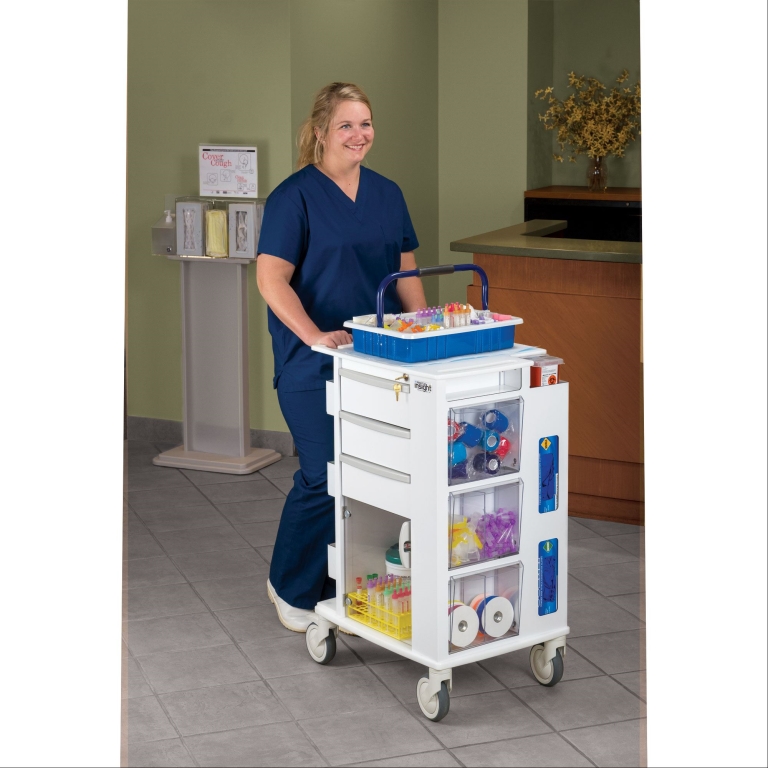
What Is Phlebotomy? A Complete Guide to Blood collection and Career Insights
Whether you’re considering a healthcare career or just curious about medical procedures, understanding what is phlebotomy is essential. Phlebotomy involves drawing blood from patients for laboratory testing, blood donations, transfusions, or research. This vital healthcare skill ensures accurate diagnoses and patient care.
In this complete guide, we’ll explore the intricacies of phlebotomy, including blood collection methods, necessary skills, training requirements, career opportunities, and practical tips for success. Let’s dive into this interesting world of blood collection!
What Is Phlebotomy? Definition and Overview
Phlebotomy is the process of making a puncture in a vein,typically to draw blood for diagnostic testing,donation,or research purposes. From hospitals to clinics and blood banks, phlebotomists are the frontline workers responsible for safe and efficient blood collection.
The term originates from Greek words: phleb meaning vein,and tomy meaning incision or cutting. Despite the word “incision,” the procedure is minimally invasive and performed with sterile equipment for safety and comfort.
The Role and Responsibilities of a Phlebotomist
- Preparing patients and explaining the blood collection process
- Gathering and organizing supplies and equipment
- Performing venipuncture or other blood draw techniques
- Labeling and handling blood samples properly
- Ensuring patient safety and comfort during procedures
- Maintaining sterile techniques and adhering to safety protocols
- Documenting blood collection details accurately
Being a phlebotomist requires not only technical skill but also compassion, patience, and excellent communication abilities to make patients feel at ease.
Blood collection Techniques
Common Methods Used in Phlebotomy
| Technique | Description |
|---|---|
| Venipuncture | Inserting a needle into a vein, usually in the arm’s bend, to draw blood. |
| Capillary Puncture | Using a lancet to prick the fingertip or heel, primarily for small blood samples. |
| Butterfly Method | Using a butterfly needle for arduous veins or for pediatric patients. |
Venipuncture is the most common method, requiring specialized training to ensure safety and comfort. Capillary collection is often used for newborns or when only small amounts of blood are needed.
Skills and qualifications Needed to Become a Phlebotomist
Essential Skills
- Attention to detail
- Strong hand-eye coordination
- Good communication and patient rapport
- Ability to work under pressure
- Knowledge of safety protocols and sterile techniques
Educational Requirements
Typically, a high school diploma or GED is required.Many candidates pursue formal certification programs that include coursework and practical training.
Certification and Licensing
Certification from organizations like the American Society for Clinical Pathology (ASCP) or the National Healthcareer Association (NHA) can boost employment prospects. Requirements vary by state or country.
Benefits of a Career in Phlebotomy
- High demand for qualified professionals
- Entry-level training typically short and affordable
- Overtime opportunities and flexible schedules
- Job satisfaction from helping patients and contributing to healthcare
- Potential for career advancement in healthcare fields
Practical Tips for Success in Phlebotomy
- Practice on volunteers or mannequins to build confidence
- Always verify patient identity and specimen labels
- Maintain sterility and proper disposal of sharps
- Communicate clearly and calmly with patients
- Stay updated on current procedures and safety standards
Case Studies and First-Hand Experiences
Jane,a certified phlebotomist,shares her experience:
“I remember my first day on the job-nervous but excited.With practice, I learned how to locate veins efficiently and reassure anxious patients. Over time,I realized that a friendly smile and patience could turn a stressful procedure into a positive experience for patients.”
Real-life stories like jane’s highlight the importance of skill development and compassionate care in phlebotomy.
Career Outlook and Opportunities in Phlebotomy
The demand for phlebotomists is expected to grow faster than average due to an aging population and increased need for diagnostic testing. Jobs are available in hospitals,outpatient clinics,blood donation centers,and research labs.
Salary Expectations
According to the U.S. Bureau of Labor Statistics,the median annual salary for phlebotomists was around $36,000 in 2022,with potential for higher earnings with experience and certification.
Advancement Opportunities
- Specialization in pediatric or geriatric phlebotomy
- supervisory or training roles
- Transition to related healthcare roles such as laboratory technician or nurse
Conclusion
What is phlebotomy all about? At its core, it’s a crucial healthcare profession centered on blood collection, patient care, and laboratory accuracy. Whether you’re drawn by the opportunity to help others, the straightforward training pathway, or a promising career outlook, phlebotomy offers a rewarding and vital role within the medical field.
If you’re considering entering this profession, remember that success depends on skill, patience, and a genuine desire to assist patients. With the right training and dedication, you can build a fulfilling career in phlebotomy and make a meaningful difference in healthcare.
