Where Do Phlebotomists Work? Discover Top Careers and Work Settings for Medical Blood Draw Specialists
If you’re considering a career as a phlebotomist, one of the most critically important questions to ask is, where do phlebotomists work? These vital healthcare professionals are responsible for drawing blood for tests, transfusions, donations, and research. But their work surroundings can vary widely, offering diverse opportunities across the healthcare spectrum. In this thorough guide, we’ll explore the top careers and work settings for blood draw specialists, highlighting the benefits, practical tips, and real-world examples to help you understand this rewarding profession.
Understanding the Role of a Phlebotomist
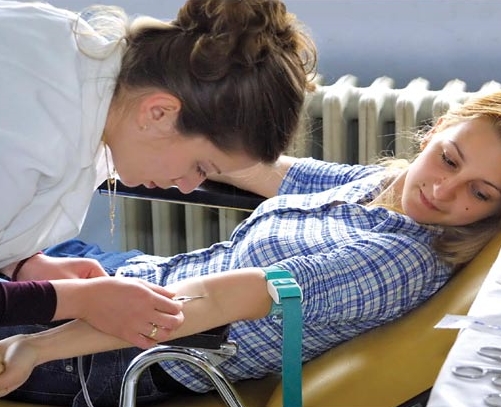
Before diving into work settings, it’s essential to understand what a phlebotomist does. Phlebotomists are healthcare professionals trained to safely and efficiently collect blood samples from patients. Their work is critical for accurate diagnosis, treatment planning, and medical research.
skills such as excellent patient communication, attention to detail, and steady hands are essential. additionally, phlebotomists often work under the supervision of medical laboratory technologists, nurses, or physicians.
Primary Work Settings for Phlebotomists
1. Hospitals and Medical Centers
Hospitals are among the most common workplaces for phlebotomists. In these large healthcare facilities, blood collection is an integral part of diagnostic testing, urgent care, and inpatient services. Phlebotomists in hospitals frequently enough work in fast-paced environments, assisting emergency rooms, outpatient labs, and specialized units.
2. Diagnostic Laboratories and Testing Facilities
Many blood draw specialists find employment in standalone laboratories that process blood tests sent from clinics and hospitals. These labs require skilled phlebotomists for specimen collection, processing, and management, often operating during regular business hours.
3.Outpatient clinics and Physician Offices
Primary care clinics,urgent care centers,and specialist offices regularly perform blood draws for routine checkups and follow-up testing. Working in these settings often involves a more predictable schedule and closer relationships wiht healthcare providers.
4. Blood Donation Centers and blood Banks
Blood banks are vital for collecting, storing, and distributing blood donations. Phlebotomists in blood donation centers work with healthy volunteer donors, ensuring safe collection processes and donor comfort. These roles often offer flexible hours or part-time opportunities.
5. Community Health and public Health Programs
Public health departments and outreach programs sometimes employ phlebotomists to conduct blood collection campaigns,support vaccination drives,or participate in epidemiological studies,especially during health crises.
6. Research Institutions and Universities
In research settings, blood collection is frequently enough part of clinical trials or scientific studies. Phlebotomists working in research environments must follow strict protocols and work closely with scientists and clinicians.
top Careers for Blood Draw Specialists
While most phlebotomists perform similar tasks,specific career paths can lead to specialization or advancement:
- Phlebotomy Supervisor: oversee a team of phlebotomists in hospitals or labs,ensuring quality and compliance.
- Laboratory Technician: Assist with specimen processing and lab analysis beyond blood collection.
- Mobile Phlebotomist: Provide blood collection services at patients’ homes, clinics, and community events.
- Forensic Phlebotomist: collect blood samples in legal cases or crime scene investigations.
- Health Educator or Trainer: Conduct training programs for new phlebotomy staff or community health initiatives.
Benefits of Working as a Phlebotomist in Various Settings
Working in different environments offers unique benefits:
- Hospital Settings: Fast-paced, diverse cases, opportunities for interdisciplinary collaboration.
- Laboratory Roles: Predictable hours, focus on specimen processing, potentially less physical strain.
- Blood Donation Centers: Flexible schedules, community engagement, and positive impact on public health.
- Community Outreach: Variety in locations, increased patient interaction, impact on underserved populations.
Practical tips for Aspiring Phlebotomists
- Obtain Certification: Completing accredited training programs and certification through bodies like the American Society for Clinical Pathology (ASCP) increases employability.
- Develop Soft Skills: Excellent communication, patience, and cultural sensitivity are crucial.
- Gain Diverse Experience: Volunteer or intern in different settings to find yoru preferred work environment.
- Stay Updated: Keep current with industry best practices, equipment, and safety protocols.
Case Study: A Day in the Life of a Mobile Phlebotomist
| Time | Activity | Location |
|---|---|---|
| 8:00 AM | Prepare supplies and route plan | Home/office |
| 9:00 AM | Visit a patient’s home for blood draw | Suburban neighborhood |
| 11:00 AM | Collect samples at community health event | Local community center |
| 2:00 PM | Return to clinic for scheduled appointments | Nearby clinic |
| 4:00 PM | Document patient records and close the day | Home/Office |
Final Thoughts
The work environments for phlebotomists are as diverse as the patients they serve. From busy hospital wards to community outreach programs, blood draw specialists have the chance to make a meaningful difference in healthcare. Whether you prefer a stable laboratory setting or dynamic community-based roles,there are numerous career paths available.
Embarking on a career as a phlebotomist offers not only job stability and growth potential but also the satisfaction of supporting patient care and public health initiatives. By understanding where phlebotomists work and the opportunities available, you can make informed decisions about your professional future in this rewarding healthcare sector.
Meta Data
