Top Careers in Phlebotomy: Explore Exciting Job Opportunities in the Medical Field
Are you interested in entering the healthcare sector but prefer a role that combines patient interaction with technical skills? Then a career in phlebotomy might be the perfect fit for you! Phlebotomy professionals, or phlebotomists, play a vital role in the medical field by collecting blood samples for testing, donation, or research. This career offers a rewarding pathway with diverse job opportunities, excellent growth prospects, and the chance to make a real difference in patients’ lives. In this comprehensive guide, we’ll explore the top careers in phlebotomy, their benefits, practical tips for entering the field, real-life case studies, and why this career may be your ideal healthcare pathway.
What is Phlebotomy and Why Is It a promising Career?
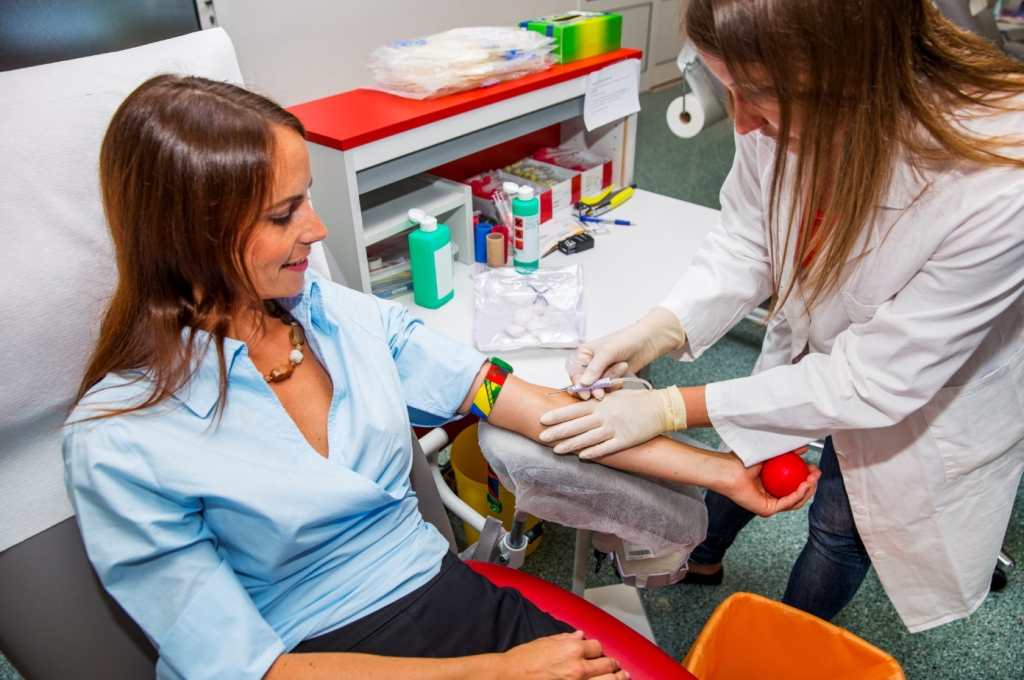
Phlebotomy involves the collection of blood samples from patients or donors using sterile procedures. It’s a crucial aspect of medical diagnostics,research,and blood donation programs. With the growing demand for blood tests and diagnostic procedures, phlebotomy offers a stable job market and opportunities for career advancement. Additionally, the versatility of work environments – hospitals, clinics, blood banks, labs, and mobile units - makes it an attractive career option for many.
Top Careers in Phlebotomy
1. Certified Phlebotomy Technician (CPT)
The foundation of a career in phlebotomy is becoming a certified phlebotomy technician. these professionals perform blood draws,ensure patient safety,and maintain laboratory standards. Certification typically involves completing a training programme and passing an exam.
2. Lead Phlebotomist
As experienced professionals grow in the field, thay can take on leadership roles. Lead phlebotomists oversee other staff,coordinate schedules,and ensure compliance with protocols. This role combines technical expertise with supervisory skills.
3. Phlebotomy Supervisor
Supervisors manage the entire phlebotomy team, set departmental policies, and liaise with other healthcare providers. This career aims for those interested in administrative and managerial responsibilities within medical laboratories.
4. Mobile Phlebotomy Technician
Mobile phlebotomists travel to patient homes, workplaces, or community centers to collect samples. This role offers flexibility and the chance to work independently while serving diverse populations.
5. Blood Bank Technician
This specialized role involves working in blood banks, managing blood supplies, testing donors, and ensuring compatibility in transfusions. It requires additional training but provides unique career advancement opportunities.
6. Research Laboratory phlebotomist
Phlebotomists working in research labs assist with clinical trials, vaccine research, and medical studies. This career path is ideal for those interested in scientific research and innovation.
7.Travel or Cruise Ship Phlebotomist
Some phlebotomists find rewarding careers on cruise ships or international travel clinics, providing tests in remote locations, and gaining global healthcare experience.
Comparison of Common Phlebotomy Careers
| Career Role | Typical Responsibilities | Work Environment | Required Certification |
|---|---|---|---|
| Certified Phlebotomy Technician | Blood collection, patient prep | Hospitals, clinics | Yes |
| Lead Phlebotomist | Supervising staff, training | Labs, hospitals | yes |
| Blood Bank Technician | Blood bank management, testing | Blood banks, hospitals | Certifications + Specialist training |
Benefits of a Career in Phlebotomy
- Job Stability: High demand in healthcare ensures consistent employment opportunities.
- Flexible Work Options: Opportunities in hospitals, clinics, mobile units, and research.
- Quick Entry: Certification programs can be completed in a few months, enabling faster career start.
- Personal fulfillment: Contribute directly to patient care and community health.
- pathway to Healthcare Advancement: Opportunities to specialize or advance into broader roles in medical laboratories or health administration.
Practical Tips for Aspiring Phlebotomists
- Get Proper Training: Enroll in accredited phlebotomy certification programs.
- Gain Hands-On Experience: Seek internships or externships to build confidence and skills.
- Develop Excellent Interpersonal skills: Patient interaction is a key part of the job.
- Keep Up with Certification Renewals: Maintain certifications through continuous education.
- Network in the Healthcare Community: Join professional organizations like the American society for Clinical Pathology (ASCP).
Case Studies: Real-Life Experiences in Phlebotomy
Case Study 1: Transition from Certification to leadership
Sarah began her career as a certified phlebotomy technician in a busy outpatient clinic. Her dedication and excellent patient rapport led her to become a lead technician within two years.She now trains new staff and supervises blood collection procedures across multiple departments,showcasing the growth potential in this field.
Case Study 2: Mobile Phlebotomist’s Impact
John chose to work as a mobile phlebotomist, travelling to patients’ homes, especially seniors and disabled individuals. His work provided flexible hours and allowed him to serve underserved communities, demonstrating how specialized roles can fulfill personal and professional goals.
Conclusion: Your Pathway to a Rewarding Medical Career Starts Here
Embarking on a career in phlebotomy offers an accessible yet fulfilling entry into the healthcare industry. With the demand for skilled professionals continuously rising, opportunities abound for those eager to make a difference while pursuing personal career growth.Whether you aspire to work in a hospital, launch a mobile health service, or advance into medical research, the top careers in phlebotomy can be your stepping stone. Equip yourself with proper training, gain hands-on experience, and embrace the chance to contribute to community health.The world of medical careers is vast and rewarding – and phlebotomy is a vital part of it!
