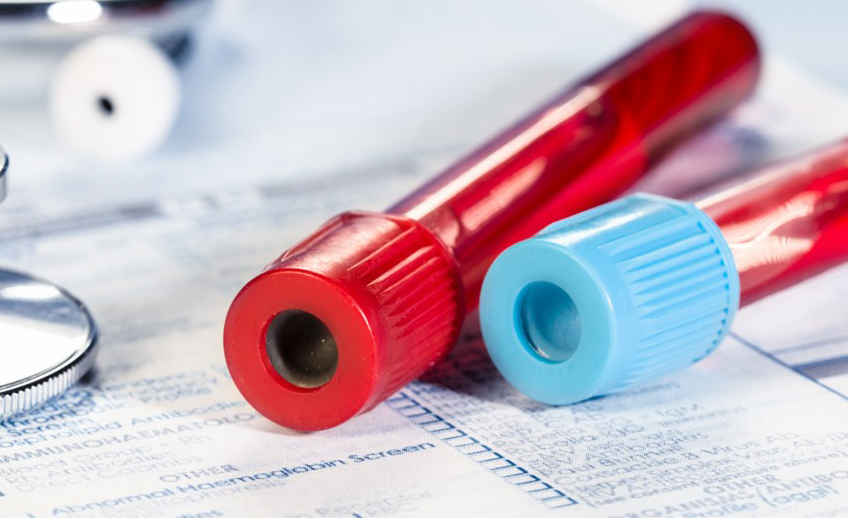
Ultimate Guide to Phlebotomy Training: Kickstart Your Career in Medical Blood Collection
are you interested in a rewarding healthcare career that involves helping people and working in a dynamic surroundings? If so, **phlebotomy** might be the perfect path for you. This complete guide will walk you through everything you need to know about **phlebotomy training**, how to become a certified **phlebotomist**, and how to excel in the field of medical blood collection.
What is Phlebotomy?
phlebotomy is the medical practice of drawing blood for testing, donation, or transfusion. A trained **phlebotomist** specializes in drawing blood safely, efficiently, and comfortably for patients. This role is crucial in diagnosing diseases, managing treatments, and supporting blood banks.
Why Pursue a Career in Phlebotomy?
- High demand: With a growing need for blood tests and donations, phlebotomy offers excellent job stability.
- Entry-level possibility: Minimal education requirements make it accessible to many aspiring healthcare professionals.
- Personal fulfillment: Making a difference in people’s lives by assisting with medical procedures.
- Flexible schedules: Many positions offer part-time or full-time work, including weekends and evenings.
Steps to Become a Certified Phlebotomist
1. Meet the Basic Requirements
- Minimum age of 18 years
- High school diploma or GED
- Good eyesight and manual dexterity
- Strong dialogue skills
2. Enroll in a Certified Phlebotomy training Program
Look for programs accredited by organizations such as the National Accrediting Agency for Clinical Laboratory Sciences (NAACLS) or similar. Training typically covers:
- Anatomy and physiology
- Venipuncture techniques
- Handling specimens and lab safety
- Patient communication and care
- infection control
3. Complete Practical Experience
Most programs include a clinical internship or practicum, where students gain hands-on experience under supervision. This is essential to build confidence and proficiency.
4.Obtain Certification
Certification enhances job prospects and credibility.The most recognized certifications include:
- Certified Phlebotomy Technician (CPT) from American Society for Clinical Pathology (ASCP)
- Registered phlebotomy Technician (RPT) from National Healthcareer Association (NHA)
- Phlebotomy Technician Certification (CPT-A) from american Medical Technologists (AMT)
Benefits of Certified Phlebotomy Training
- Improved job opportunities and higher salary potential
- Recognition by employers as a competent professional
- Confidence in performing blood draws accurately and safely
- Foundation for advancing to roles in labs or specialized medical fields
Key Skills and Practical Tips for Aspiring Phlebotomists
- Develop strong patient communication skills: Comfort and reassurance are vital when working with nervous patients.
- Practice proper technique: Precision in venipuncture reduces complications and ensures sample quality.
- Maintain professionalism and empathy: Building trust with patients enhances the procedure experience.
- Prioritize safety: Follow all infection control protocols and handle specimens responsibly.
Case Study: Success Story of a Certified Phlebotomist
| Name | Background | Journey | Outcome |
|---|---|---|---|
| Jane doe | High school graduate with healthcare interest | Completed accredited training and certification, gained clinical experience | started as a hospital phlebotomist, now trainer and certification instructor |
Practical Tips for Excelling in Phlebotomy Training
- Attend all clinical rotations and ask for feedback
- Practice your technique regularly to build confidence
- Stay updated with the latest blood collection safety standards
- Network with professionals in the healthcare field for mentorship
Conclusion
Embarking on a career in phlebotomy offers numerous opportunities to make a positive impact in healthcare. With proper training, certification, and a commitment to continuous learning, you can establish yourself as a skilled and in-demand **phlebotomist**.This comprehensive guide has outlined the essential steps, benefits, and practical tips to help you kickstart your career in medical blood collection. Take the first step today towards a fulfilling healthcare profession that combines technical skill with compassionate patient care.
