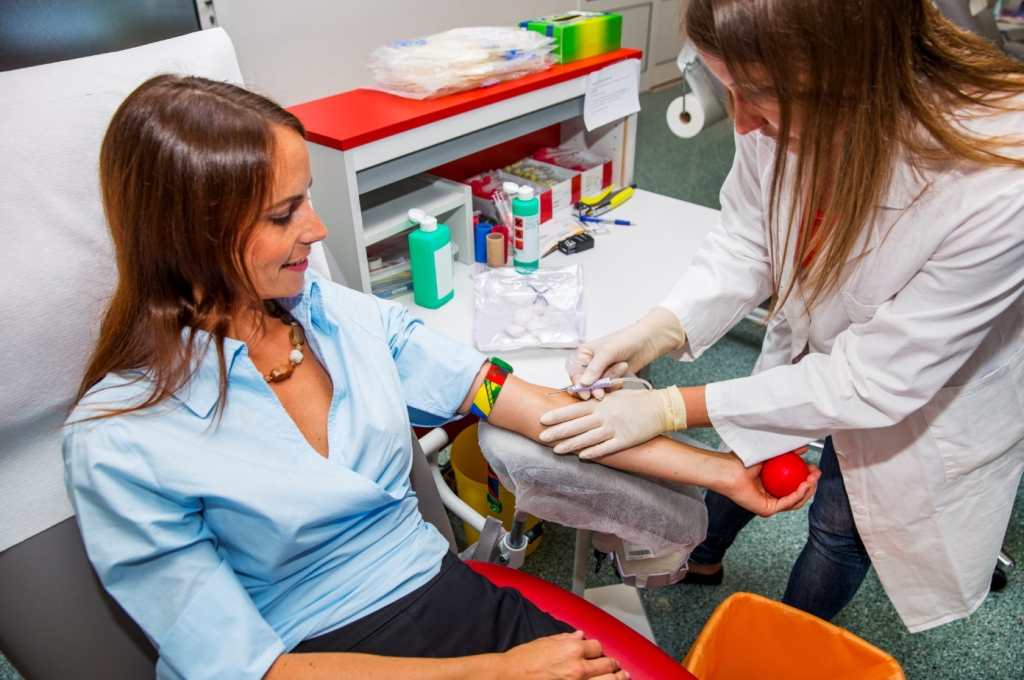
Mastering Phlebotomy: essential Tips for Performing Safe and Efficient Blood Collection
Embarking on a journey to become a skilled phlebotomist involves more than just drawing blood.It requires precision, safety awareness, and professionalism to ensure patient comfort and accurate test results. in this extensive guide, we will explore the essential tips and best practices for mastering phlebotomy, helping both beginners and seasoned professionals enhance their blood collection techniques.Whether you’re preparing for certification or looking to refine your skills, understanding the principles behind safe and efficient blood collection is vital for success.
What is Phlebotomy?
Phlebotomy is the practice of drawing blood from a patient for laboratory testing, blood donation, transfusions, or research purposes. The role of a phlebotomist is crucial in medical diagnostics, and mastery of blood collection techniques directly impacts patient safety, comfort, and the accuracy of lab results. The core goal is to perform blood draws efficiently while minimizing discomfort and risk of complications.
The Benefits of Proper Phlebotomy Technique
- Accurate Test Results: Proper collection ensures sample integrity.
- Patient Comfort: Gentle and correct techniques reduce pain and anxiety.
- Safety: Prevents needlestick injuries and contamination.
- Efficiency: Reduces collection time and follow-up procedures.
Essential Tips for Performing Safe and Efficient Blood Collection
1.Prepare Thoroughly Before the Blood Draw
- Gather All Equipment: Ensure you have needles, collection tubes, alcohol swabs, tourniquet, gloves, and bandages ready.
- Verify Patient Identity: Confirm patient details to avoid sample mix-ups.
- Explain the Procedure: Calmly inform the patient about the process to reduce anxiety.
- Wash Hands and Wear Gloves: Maintain hygiene and prevent cross-contamination.
2. Choose the Appropriate Site
- Common Venipuncture Sites: Median cubital vein,cephalic vein,basilic vein.
- Avoid: Edematous, scarred, or painful areas.
- Ensure Visibility: Proper lighting and clear vein access are essential.
3. Proper Blood Collection Technique
- Apply Tourniquet: About 3-4 inches above the target site; do not leave on for more than 1 minute.
- Disinfect the Area: Use alcohol swab, allow it to dry entirely.
- Insert the Needle: At a 15-30 degree angle with the bevel facing up.
- fill the Tubes: Follow ordered test requirements, ensuring the correct order of draw.
- Withdraw, Apply Pressure, and Bandage: Remove needle promptly, apply pressure, and bandage.
4. Post-Collection Care
- Label Samples Clearly: Include patient details, date, and time.
- Dispose of Sharps Safely: Use approved sharps container.
- Document the Procedure: record the date, time, site, and any issues encountered.
- Observe Patient: Check for adverse reactions or complications.
5. troubleshooting Common Challenges
- Vein Collapse: Use appropriate needle size, avoid excessive tourniquet tightening.
- Patient Fainting: Ensure patient comfort, offer recline position if needed.
- Inconspicuous Veins: Try choice sites or techniques like warming the area.
Case Study: A Successful Blood Draw Under Challenging Conditions
Jane, a novice phlebotomist, faced a patient with very fragile veins. By applying gentle palpation, warming the site with a warm compress, and choosing the median cubital vein, she successfully collected the sample with minimal discomfort.This experience highlights the importance of patience, technique, and readiness in mastering phlebotomy under challenging circumstances.
Additional practical Tips and Their Benefits
| Tip | Benefit |
|---|---|
| Use the correct needle size | Reduces vein trauma, minimizes discomfort |
| Limit tourniquet time | Prevents hemoconcentration, reduces patient discomfort |
| Practice needle insertion angles | Increases first-attempt success rate |
Additional Resources for aspiring Phlebotomists
- Certified Phlebotomy Technician Programs
- Best Practices in Venipuncture
- Patient communication Strategies
Conclusion
Mastering phlebotomy requires a combination of technical skill, attention to detail, and compassionate patient care. By following proper preparation, site selection, blood collection techniques, and post-procedure procedures, aspiring and experienced phlebotomists can perform safe, efficient, and agreeable blood draws.Continuous practice and adherence to best practices are key to becoming a confident and competent professional in the field of blood collection. Remember, each successful blood draw not only advances patient care but also contributes to your growth as a healthcare professional.
If you’re interested in pursuing a career in phlebotomy or want to enhance your skills, consider enrolling in accredited certification courses. Your dedication to mastering these essential tips will ensure you make a positive impact in the healthcare setting!
