How to become a Licensed Phlebotomist: Step-by-Step Guide to a Rewarding Healthcare Career
Considering a career in healthcare that combines patient interaction, precision, and a vital role in diagnostics? Becoming a licensed phlebotomist might be the perfect choice for you! Phlebotomists are essential members of medical teams, responsible for drawing blood for tests, transfusions, research, and donations. In this complete guide, we’ll walk you through the steps to become a licensed phlebotomist, highlight the benefits of this profession, and share practical tips to help you succeed in launching your healthcare career.
What is a Phlebotomist and Why Is the Role Crucial?
A phlebotomist specializes in collecting blood samples from patients for laboratory testing, blood donation, or transfusion. They play a crucial role in diagnostic healthcare, ensuring safe and accurate blood collection procedures.This job requires technical skill, compassion, and adherence to safety protocols. With the demand for healthcare professionals continuously rising, becoming a licensed phlebotomist offers a rewarding and stable career path.
Step 1: Meet Basic Eligibility Requirements
Before embarking on your journey to become a licensed phlebotomist, ensure you meet the fundamental eligibility criteria:
- age: Typically at least 18 years old.
- Education: High school diploma or equivalent (GED).
- Background Check: Must pass criminal background checks and drug screenings.
- Health & Immunizations: Up-to-date vaccines and health clearances,as required by certain training programs or employers.
Step 2: Complete a Certified phlebotomy Training Program
The core of becoming a licensed phlebotomist lies in completing a recognized training program. These programs are offered by community colleges, vocational schools, hospitals, and online institutions. They focus on both theoretical knowledge and practical skills required for safe blood collection.
Key components of a phlebotomy training program include:
- Basic human anatomy and physiology.
- Infection control and safety protocols.
- Venipuncture techniques and equipment.
- Patient communication and handling challenging cases.
- Legal and ethical considerations in healthcare.
Most programs range from 40 to 120 hours and culminate in a certificate of completion. Be sure to choose a program accredited by reputable organizations such as the National Accrediting Agency for Clinical laboratory Sciences (NAACLS) or your state’s health department.
Step 3: Gain Practical Experience and Hands-On Training
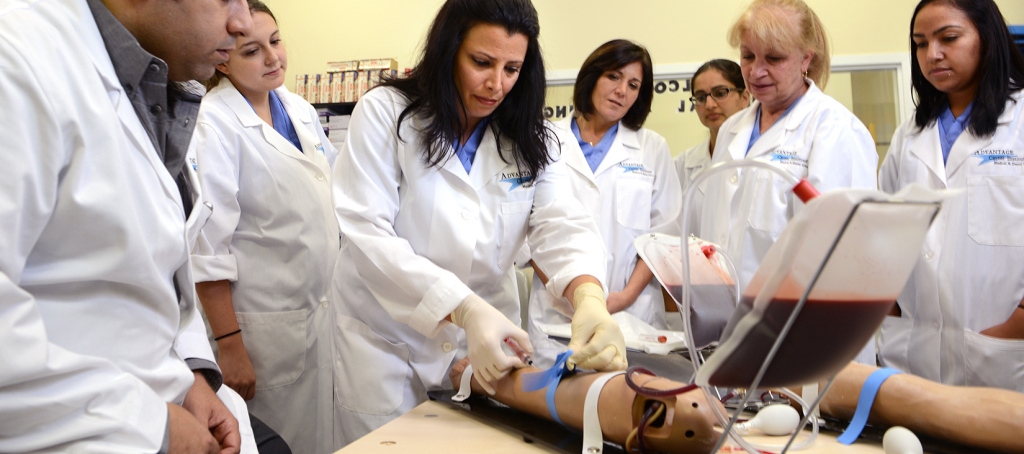
Along with classroom instruction, practical training is vital for mastering phlebotomy skills. Many training programs include supervised clinical rotations in hospitals, clinics, or blood donation centers. This real-world experience helps build confidence and competency before proficiency assessment.
Tip: Take advantage of every chance to practice under supervision. Focus on patient communication, proper technique, and safety measures.
Step 4: Obtain Certification or Licensure
While some states require licensure to work as a phlebotomist, many others only mandate certification from a recognized organization. Achieving certification not only validates your skills but also enhances employability and earning potential.
Popular Certification Options:
- Certified Phlebotomy Technician (CPT) from the American Society for Clinical Pathology (ASCP)
- Phlebotomy Technician Certification (PBT) from the National Healthcareer Association (NHA)
- Certified Phlebotomy Technician (CPT) from the American Medical Certification Association (AMCA)
the certification exam typically covers procedural skills, safety, legal issues, and patient interaction. Requirements include completing a minimum number of venipunctures and sticks, often around 50-100 successful procedures.
Step 5: Apply for State licensure (If Required)
Check with your state’s health department or licensing board to determine if licensure is mandatory. some states like California,Louisiana,and Nevada require licensed phlebotomists. The application process may involve submitting proof of certification,clinical hours,background checks,and fees.
Benefits of Becoming a Licensed Phlebotomist
| Benefit | Why It Matters |
|---|---|
| Job Stability | High demand in hospitals,labs,and clinics ensures steady employment opportunities. |
| Entry-Level Accessibility | Relatively short training programs and certifications enable quick entry into the healthcare field. |
| Rewarding Work Habitat | Helping diagnose illnesses and saving lives brings personal fulfillment. |
| Professional Growth | Opportunities to advance in the healthcare ladder, such as becoming a laboratory technician or a healthcare supervisor. |
Practical Tips for Aspiring Phlebotomists
- Choose Accredited Training Programs: Prioritize programs recognized by reputable agencies.
- Practice Regularly: Gain as much hands-on experience as possible during training and internships.
- Develop Strong Interpersonal Skills: Compassion and professionalism are key to patient comfort and cooperation.
- Stay Updated: Keep up with the latest safety protocols and technological advances in phlebotomy.
- Network: Join professional associations like the American Society for Clinical Pathology (ASCP) or National Phlebotomy Association (NPA).
Real-Life Success Story: Emily’s Journey to Becoming a Licensed phlebotomist
Emily,a recent graduate from a community college phlebotomy program,shares her inspiring journey. After completing her training and certification, she successfully obtained her state licence. Today, she works at a top hospital where she enjoys a fulfilling career helping patients and improving healthcare outcomes.
Her advice? “Practice diligently,stay patient-focused,and never stop learning. Certification opened the door, but passion keeps the door open.”
Conclusion
Becoming a licensed phlebotomist is a rewarding pathway into the healthcare industry. By following these essential steps-meeting eligibility, completing accredited training, gaining practical experience, obtaining certification, and securing licensure-you’ll be well on your way to a fulfilling career. With high demand,meaningful work,and opportunities for growth,phlebotomy offers a stable and gratifying healthcare profession for those committed to making a difference. Start your journey today and take the first step towards a rewarding career in healthcare!
Ready to start your path to becoming a licensed phlebotomist? Explore accredited training programs in your area and take the first step toward a rewarding healthcare career today!
