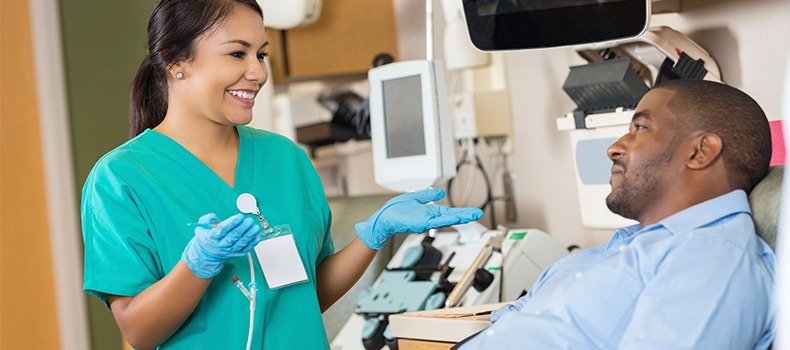
Become a Phlebotomist: Essential Career Insights & How to Start Your Path in Healthcare
Are you interested in a rewarding career in healthcare that combines clinical skills with patient interaction? If so, becoming a **phlebotomist** could be an excellent choice. As a vital member of medical teams, phlebotomists are responsible for drawing blood samples that are essential for medical testing, diagnosis, and treatment. In this thorough guide, we’ll explore the ins and outs of becoming a phlebotomist, including required training, career benefits, practical tips, and how to launch your prosperous health care career.
What is a Phlebotomist? Understanding the Role
A phlebotomist is a healthcare professional trained to collect blood samples from patients. These samples are used for various diagnostic tests,blood donations,or research. The role requires precision, good dialog skills, and a compassionate attitude towards patients. Phlebotomists work in hospitals, clinics, laboratories, blood donation centers, and outpatient care facilities.
Key Responsibilities of a Phlebotomist
- Identifying and verifying patient information accurately
- Preparing patients and equipment for blood collection
- Drawing blood using venipuncture or capillary puncture techniques
- Labeling samples properly and ensuring sample integrity
- Maintaining a clean and safe work surroundings
- Providing patient education and emotional support during procedures
- Documenting procedures and managing sample transportation
essential Skills & Qualities of a Successful Phlebotomist
- Attention to detail
- Strong interpersonal and communication skills
- Steady hand and good hand-eye coordination
- Ability to work under pressure in fast-paced environments
- Empathy and patience in dealing with anxious patients
- Basic knowledge of anatomy and medical terminology
Educational and Certification Requirements
Getting started as a phlebotomist involves completing appropriate training and certification. Requirements may vary by state or country, but generally, the pathway includes:
1. High School diploma or GED
This is the basic educational requirement to enroll in phlebotomy training programs.
2. Complete a Phlebotomy Training Program
Accredited courses often include classroom instruction, laboratory practice, and supervised clinical experience. Programs typically last from 4 weeks to 6 months, depending on intensity and depth.
3. Obtain Certification
Although certification is not always mandatory, it considerably enhances employment prospects. The most recognized certifying organizations include:
- American Society for Clinical Pathology (ASCP)
- National Phlebotomy Association (NPA)
- American Medical Technologists (AMT)
- National Healthcareer Association (NHA)
Certification requirements typically involve passing a written exam and demonstrating clinical proficiency.
How to Start Your Career as a Phlebotomist
here’s a step-by-step guide to help you begin your journey in healthcare as a certified phlebotomist:
- Research local requirements: Verify the certification or licensing needs in your state or country.
- Enroll in an accredited phlebotomy training program: Choose a reputable school or online course that offers practical experience.
- Complete training and clinical practice: Gain hands-on experience drawing blood and managing patient interactions.
- Pass your certification exam: Prepare thoroughly using study guides, practice exams, and review sessions.
- Apply for jobs: Search for openings in hospitals, clinics, labs, or mobile phlebotomy services. Tailor your resume to highlight relevant skills and certifications.
- Continue education and certification: Stay updated with new techniques and consider advancing your skills into specialized fields.
benefits of Becoming a Phlebotomist
Choosing a career as a phlebotomist offers numerous advantages, including:
- High demand: Many healthcare facilities require qualified phlebotomists, leading to excellent job stability.
- Competitive salary: The median annual wage for phlebotomists is attractive for entry-level healthcare roles.
- Speedy entry into healthcare: Many training programs are short,allowing you to start working in a few months.
- Opportunity for career growth: With experience, you can specialize or advance into roles like clinical supervisor or laboratory technologist.
- Personal fulfillment: Helping patients and contributing to life-saving diagnostics provide a sense of purpose.
Practical Tips for Aspiring Phlebotomists
- Practice your venipuncture skills frequently in supervised settings.
- Develop excellent communication skills to calm and reassure nervous patients.
- Stay organized with documentation and sample labeling to prevent errors.
- Keep up with continuing education courses to stay current with new techniques and guidelines.
- Network with professionals in the healthcare industry through forums or local associations.
Case Study: Success Story of a Certified Phlebotomist
| Name | Background | Journey | Outcome |
|---|---|---|---|
| Jamie L. | Hospital Volunteer | Enrolled in a 3-month certified phlebotomy course, gained clinical practice, passed certification exam. | Started working at a local clinic, now trains new phlebotomists and plans to specialize in pediatric blood draws. |
First-Hand experience: What It’s Like to Be a Phlebotomist
Many professionals describe their experiences as rewarding yet challenging.The job involves delicate technical work combined with compassionate patient care. Building confidence with each puncture, maintaining professionalism under pressure, and developing communication skills are key to success. Patients often appreciate the care and reassurance provided, making this a fulfilling health care career that makes a real difference in people’s lives.
Conclusion
Becoming a phlebotomist is an excellent pathway into the healthcare industry for those looking for a quick, rewarding, and stable career. With comprehensive training and certification, you can quickly enter a profession that offers personal fulfillment, job stability, and opportunities for growth.Whether you’re just starting your career or looking to switch paths, the demand for skilled phlebotomists makes this an attractive choice. Take the first step today by researching accredited training programs and certification options - your future in healthcare awaits!
