How to Become a Certified Phlebotomy Technician: Step-by-Step Guide to Starting your Healthcare Career
Embarking on a career as a phlebotomy technician is an exciting path into the healthcare industry. With a growing demand for professionals skilled in blood collection and laboratory specimen handling, becoming a certified phlebotomy technician can open doors to stable employment, valuable healthcare experience, and a meaningful career in patient care. This complete, step-by-step guide will walk you through the essential requirements, certifications, practical tips, and insights to help you start your journey confidently.
Why Choose a Career as a Certified Phlebotomy Technician?
Before diving into the steps, it’s crucial to understand why a career in phlebotomy is a promising choice:
- High demand for healthcare professionals due to aging populations and increased medical testing.
- Relatively quick certification process allowing you to start working sooner.
- Opportunities for advancement into roles such as laboratory technicians or healthcare supervisors.
- Competitive salary with the potential for benefits and job stability.
- Meaningful patient interactions providing a sense of fulfillment.
Step 1: Understand the Role of a Phlebotomy Technician
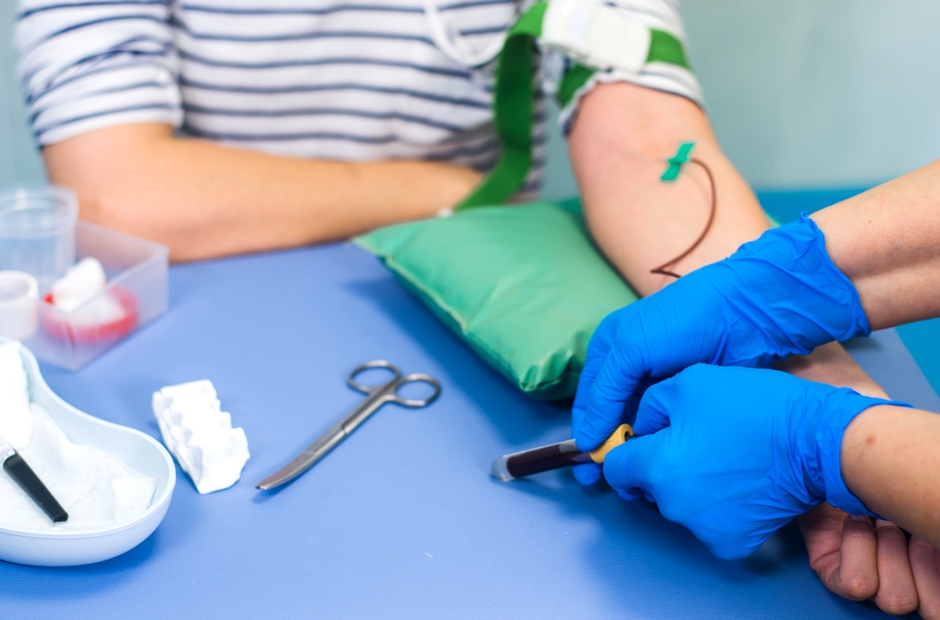
A phlebotomy technician, also known as a phlebotomist, is responsible for drawing blood from patients for tests, transfusions, research, or donations. Their work involves:
- Preparing patients and equipment for blood collection.
- Venipuncture and skin puncture procedures.
- Proper labeling, handling, and transportation of specimens.
- Ensuring patient comfort and safety.
- Maintaining accurate records and adhering to safety protocols.
Step 2: Meet Educational Requirements
The minimum educational requirement for becoming a phlebotomy technician typically includes:
- High school diploma or GED equivalent.
- Completion of a formal phlebotomy training program (frequently enough required for certification).
Choose an Accredited Phlebotomy Training Program
Enroll in a program accredited by the National Accrediting agency for Clinical Laboratory Sciences (NAACLS) or similar organizations. These programs typically include coursework in:
- Human anatomy and physiology
- Blood collection techniques
- Safety procedures
- Patient interaction skills
Step 3: Gain Practical Experience
Most training programs include hands-on practice in clinical settings, which is critical for building confidence and competence. Practical experience helps in:
- Mastering venipuncture and capillary puncture.
- Learning safety and infection control protocols.
- Understanding patient interaction in real-world scenarios.
Step 4: Obtain Phlebotomy Certification
why Certification Matters
Certification enhances employability, demonstrates professionalism, and might be required by certain states or employers. It also proves your competence in blood collection and safety protocols.
Popular Certification Options
| Certification Body | Requirements | Exam Details |
|---|---|---|
| American society for Clinical Pathology (ASCP) | Completion of approved training + clinical hours | Comprehensive exam covering blood collection, safety, and lab procedures |
| National Healthcareer Association (NHA) | training program completion + clinical experience | Phlebotomy Technician (CPT) exam |
| American Medical certification Association (AMCA) | Training + practical experience | Phlebotomy certification exam |
Preparing for the Certification Exam
- Review course materials and practice tests.
- Focus on blood draw techniques, safety, and infection control.
- Ensure familiarity with relevant anatomy and patient interaction.
Step 5: Obtain State Licensure or Registration (If Required)
Some states, such as California and Louisiana, require phlebotomists to be licensed or registered. Check your state’s specific requirements and ensure you meet all criteria,including:
- Certifications
- Background checks
- application submissions
Step 6: Build Your Career
Job Search Tips
- Explore opportunities in hospitals,clinics,laboratories,Blood banks,and mobile phlebotomy services.
- Create a professional resume highlighting your certification, training, and practical experience.
- Network with healthcare professionals and join relevant associations.
Continuing Education and Career Advancement
Enhance your skills and qualify for higher-paying roles or specialization by:
- Participating in advanced certifications.
- Gaining experience in specialized areas like pediatric or neonatal phlebotomy.
- Attending workshops and seminars related to laboratory procedures and patient care.
Practical Tips for Aspiring Phlebotomists
- Practice patience and empathy – patient comfort is key.
- Develop steady hands and attention to detail.
- Stay organized and adhere to safety protocols.
- Remain updated on current industry standards and new techniques.
Benefits of Becoming a Certified Phlebotomy Technician
Choosing certification offers numerous advantages:
- Increased job opportunities and employability.
- Higher earning potential.
- Professional recognition and credibility.
- Contributing to essential healthcare functions.
Real-Life Case Study: From Training to Triumph
Meet Lisa, who transitioned into healthcare as a certified phlebotomist within six months. After completing her accredited training program and passing her certification exam, she secured a position at a local hospital. Her dedication, practical skills, and compassionate approach earned her positive patient feedback, leading to a stable career and opportunities for further specialization.
Conclusion
Becoming a certified phlebotomy technician is an excellent stepping stone into the healthcare industry. With the right educational background, hands-on training, and certification, you can launch a rewarding career that plays a vital role in patient care and medical diagnostics. Follow this step-by-step guide, stay committed to learning, and embrace ongoing professional development to succeed as a health professional dedicated to making a difference.
Summary: path to Becoming a Certified Phlebotomy Technician
| Step | Requirement | Timeline |
|---|---|---|
| 1. Educational Prep | High school diploma + phlebotomy training | 3-6 months |
| 2. Practical Experience | Clinical hours during training | Concurrent with training |
| 3. Certification | Pass certification exam | Immediately after training |
| 4. Job Hunting | Resume + networking | 1-3 months |
| 5. Career Growth | Continuing education |
Start your healthcare journey today by becoming a certified phlebotomy technician. It’s a profession that not only offers job stability and growth potential but also provides the satisfaction of helping people through essential medical procedures. Good luck!
