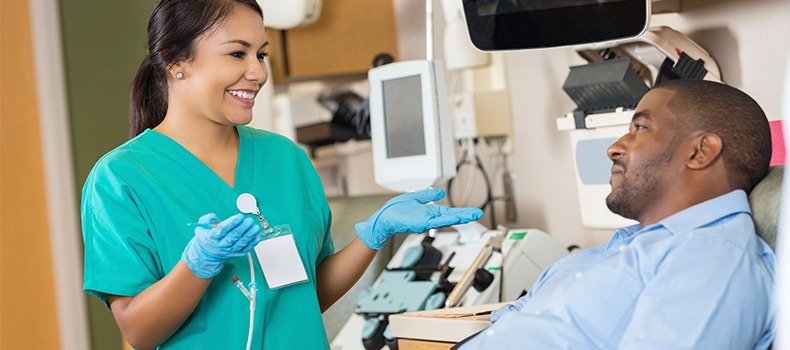
How to Obtain Your Phlebotomy State License: Step-by-Step Guide for Certification and Career Success
Embarking on a career as a licensed phlebotomist can be both rewarding and fulfilling. Not onyl does it open doors to vital healthcare roles, but it also provides a strong foundation for further medical career advancement. If you’re wondering how to obtain your phlebotomy state license, this comprehensive guide walks you through every step-from meeting prerequisites and completing training to passing certification exams and maintaining your license. Read on to learn everything you need to succeed in your journey toward becoming a licensed phlebotomist.
Understanding the Importance of a Phlebotomy State License
A phlebotomy state license verifies your competence, ensures legal compliance, and increases job prospects in healthcare facilities. Licensing requirements vary by state, but they all aim to uphold safety standards for both patients and practitioners. Having this license not only certifies your skills but also boosts your credibility as a healthcare professional.
Step 1: Meet the Basic prerequisites
Before starting the licensing process, ensure you meet your state’s eligibility requirements. Common prerequisites include:
- Minimum age of 18 years
- High school diploma or GED
- Clean criminal background check
- Proof of legal status to work in the United States
Some states may also require previous healthcare experience or specific coursework, so always verify your state’s particular prerequisites.
Step 2: Enroll in an Accredited Phlebotomy training Program
Completing a comprehensive phlebotomy training program is essential. Look for programs accredited by recognized bodies such as the National Healthcareer Association (NHA),American Society for Clinical Pathology (ASCP),or other reputable organizations. These programs typically cover:
- Venipuncture and capillary puncture techniques
- Safety protocols and infection control
- Patient dialog skills
- Medical terminology
- Compliance with legal and ethical standards
duration varies from a few weeks to several months, depending on the program’s depth and format (online or in-person).
| Program type | Duration | Cost Range | Accreditation |
|---|---|---|---|
| Community College Course | 8-12 weeks | $1,200-$3,000 | Yes |
| Online Program | 4-8 weeks | $500-$2,000 | Yes |
| Private vocational School | 6-12 weeks | $2,000-$5,000 | Varies |
step 3: Gain Practical Experience (If Required)
Many states require clinical practicum hours to ensure you can perform venipuncture confidently and safely. your training program should provide supervised hands-on experience. If not, seek volunteer opportunities or internships to build your skills and confidence.
Step 4: Prepare and Pass the Certification Exam
While some states have thier own licensing exams, most accept certification through nationally recognized agencies. Successful completion of a certification exam is often a requirement for licensing. Popular certifying bodies include:
- American Society for clinical Pathology (ASCP)
- national Healthcareer association (NHA)
- American Medical certification Association (AMCA)
- National Phlebotomy Association (NPA)
Readiness tips:
- Review your training materials thoroughly
- Practice venipuncture repeatedly in a simulated environment
- Take practice exams to familiarize yourself with the format
| Certification Body | Exam Cost | Validity Period | Recertification Required |
|---|---|---|---|
| ASCP | $115 | 3 years | Yes (Continuing Education) |
| NHA | $135 | 2 years | Yes |
| AMCA | $105 | 2 years | Yes |
Step 5: Apply for Your State Phlebotomy License
Once you’ve obtained certification, the next step is to apply for your state phlebotomy license. Requirements differ by state but generally include:
- Submission form submission
- Proof of completed training and certification
- Background check and fingerprinting
- Application fee (varies by state)
Visit your state health department or licensing board website for specific instructions and application forms.
Practical Tips for a Smooth Licensing Process
- Stay organized: Keep copies of all certifications, training records, and application documents.
- Follow instructions carefully: Ensure all paperwork is accurately completed to avoid delays.
- Prepare for background checks: Have your personal references and documentation ready.
- Stay updated: Licensing requirements can change; always verify with your state’s official resources.
The Benefits of Being a Licensed Phlebotomist
- Legal authorization to perform blood draws in healthcare settings
- Higher employability and salary potential
- Increased trust from patients and employers
- Foundation for further medical or laboratory certifications
First-Hand Experience and Practical Insights
many licensed phlebotomists report that consistent practice, patience, and adhering to safety protocols are key to success. Real-world experience not only enhances skill proficiency but also builds patient rapport, making your career more enjoyable and fulfilling.
In my own experience,taking the time to shadow an experienced phlebotomist and practicing under supervision proved invaluable. Remember,confidence in your skills is cultivated through continuous learning and practical application.
Case Study: Successful Licensing Journey
| Candidate | Initial Challenge | Strategy | Outcome |
|---|---|---|---|
| jane D. | Limited healthcare background | Completed an accredited training program and volunteered at clinics | Passed certification exam on first attempt and obtained license within 3 months |
| Mark P. | Concerns about exam anxiety | Practiced with mock exams and joined study groups | Successfully licensed and now works comfortably in a hospital setting |
Obtaining your phlebotomy state license is a process that requires dedication, proper education, and certification. By following this step-by-step guide on meeting prerequisites, completing accredited training, gaining hands-on experience, passing certification exams, and fulfilling licensing requirements, you set yourself on a successful career path in healthcare. Remember,investing in your skills and staying compliant with state regulations will open doors to numerous opportunities in the growing field of medical laboratory services. Start your journey today and take confident steps toward becoming a licensed phlebotomist!
