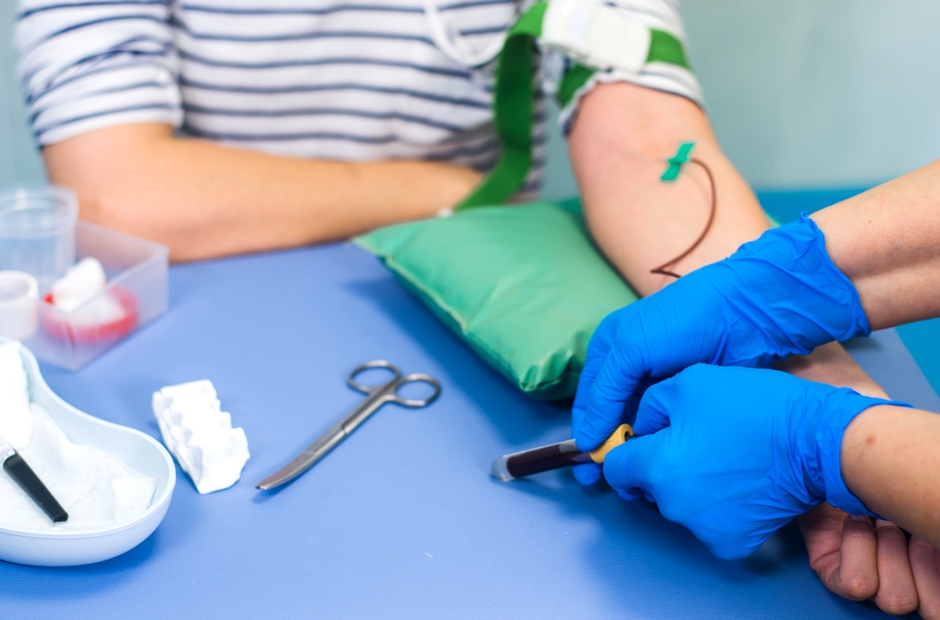
What Is a Phlebotomist? A Complete Guide to the blood Draw Specialist
introduction
Have you ever wondered who draws your blood when you visit the doctor or go for laboratory tests? Often, the person responsible for this essential task is a phlebotomist. These healthcare professionals play a crucial role in the medical field,ensuring that blood samples are collected safely and accurately for testing,diagnosis,and treatment. In this extensive guide, we will explore everything you need to no about what is a phlebotomist, their responsibilities, training requirements, benefits of becoming one, and real-life experiences. Whether you are considering a career in healthcare or are simply curious about the blood collection process, this article will provide valuable insights.
What Is a Phlebotomist? Definition and Role
A phlebotomist is a healthcare professional trained in the practice of drawing blood from patients. Their primary responsibility is to perform blood collection procedures safely, efficiently, and with minimal discomfort to the patient. These professionals work in a variety of settings, including hospitals, clinics, blood donation centers, laboratories, and physician offices.
Key Responsibilities of a Phlebotomist
- Preparing patients for blood draws by explaining the procedure and obtaining consent
- Gathering necessary equipment and ensuring sterility and safety
- Identifying patients accurately to prevent errors
- Performing venipuncture (drawing blood from veins) or capillary puncture (fingerstick)
- Labeling blood samples correctly to prevent mix-ups
- Handling and transporting specimens according to safety guidelines
- Maintaining accurate records of blood collections
- Adhering to infection control protocols and safety standards
Training and Certification for Phlebotomists
Becoming a certified phlebotomist typically involves completing a training program that covers anatomy, blood collection techniques, safety procedures, and patient interaction skills. While requirements can vary by state or country,most employers prefer or require certification.
How to Become a phlebotomist
- Complete a high school diploma or equivalent
- Enroll in an accredited phlebotomy training program (usually 4-8 weeks)
- Gain hands-on clinical experiance through internships or practicum
- Obtain certification through recognized agencies like the American Society for Clinical Pathology (ASCP), National Phlebotomy Association (NPA), or American Medial Technologists (AMT)
- Apply for jobs in healthcare facilities
Certification Benefits
- Improves job prospects and earning potential
- Ensures adherence to safety and quality standards
- builds trust with employers and patients
Skills and Qualities of a Accomplished Phlebotomist
A blood draw specialist should possess a combination of technical skills and interpersonal qualities, including:
- Manual dexterity: precision when handling needles and tubes
- Good interaction skills: explaining procedures calmly and clearly
- Empathy and patience: comforting anxious patients
- Attention to detail: labeling samples correctly
- Physical stamina: standing for long periods and performing repetitive tasks
Benefits and Practical Tips for Phlebotomists
Benefits of a Career as a Phlebotomist
- high demand for healthcare professionals
- Prospect to work in various healthcare settings
- Potential for flexible working hours
- Contribution to patient care and diagnostics
- Relatively short training period and entry-level opportunities
Practical Tips to Excel as a Phlebotomist
- Practice patience and maintain a professional, friendly demeanor
- Stay updated on latest safety protocols and techniques
- Develop strong interpersonal skills to handle anxious patients
- Prioritize patient comfort and dignity during procedures
- network with experienced professionals for mentorship and advice
Case Studies and First-Hand Experiences
Many phlebotomists report a rewarding experience helping patients and contributing to medical diagnoses. here’s a glimpse of real-life experiences:
| Scenario | Experience | Outcome |
|---|---|---|
| Drawing blood from a nervous child | Used a calming approach and distraction techniques | Successfully collected the sample with minimal distress |
| Handling arduous veins | Applied advanced venipuncture techniques and patience | Obtained blood sample without discomfort |
| Emergency situation in the lab | quickly prepared and performed blood collection under pressure | Assisted in timely diagnosis, saving patient’s life |
Conclusion
a phlebotomist is an essential healthcare professional specializing in blood collection.Their expertise ensures the accuracy and safety of blood tests, which are vital for diagnosis, treatment, and research. If you’re interested in a career that combines technical skills with patient interaction, becoming a blood draw specialist can be a rewarding choice. With proper training, certification, and dedication, you can thrive in this growing field-helping patients and advancing healthcare one blood sample at a time.
Ready to Start Your Journey as a phlebotomist?
If you’re considering a career as a blood draw specialist,explore accredited training programs in your area today. The healthcare industry needs dedicated professionals like you!
