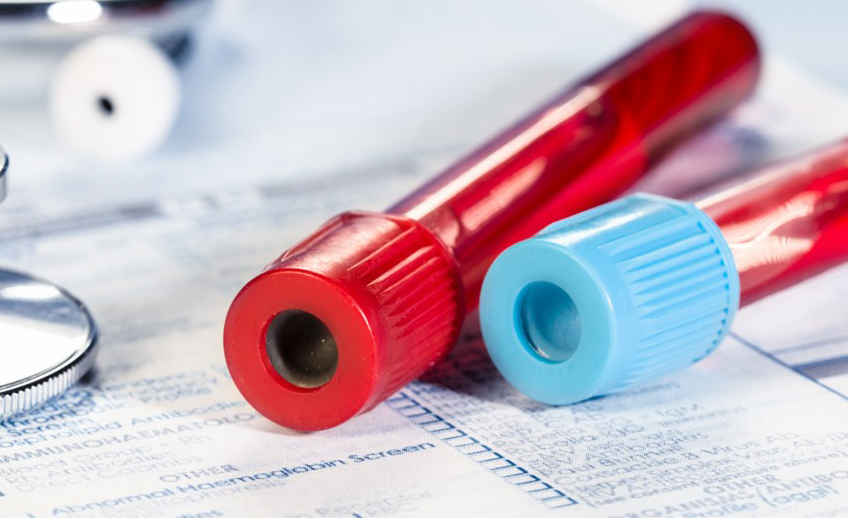
Top Skills and Career tips for Phlebotomy Technicians: Your Guide to Success
Embarking on a career as a phlebotomy technician can be both rewarding and fulfilling. This vital healthcare role involves drawing blood samples necessary for diagnostics, research, and treatment plans. To excel in this field, developing key skills, understanding industry standards, and adopting practical career strategies are essential. In this comprehensive guide,we’ll explore the top skills,career tips,and real-world insights that can help both aspiring and experienced phlebotomy technicians achieve success and advance thier careers.
The Importance of Skills in Phlebotomy
Success as a phlebotomy technician hinges on a combination of technical competence,interpersonal abilities,and professional attitude. The healthcare industry highly values skilled professionals who can perform blood draws accurately, efficiently, and compassionately.Developing essential skills not only boosts your confidence but also ensures patient safety and promotes trust in your abilities.
Key Skills Every Phlebotomy Technician Should Master
Mastering the following skills can substantially enhance your effectiveness and employability in the field of phlebotomy:
Technical Skills
- Blood Collection Techniques: Proficiency in venipuncture, capillary puncture, and handling various types of collection tubes.
- Specimen Handling and Processing: Properly labeling,storing,and transporting specimens to ensure accurate test results.
- Knowledge of Anatomy and Physiology: Understanding vein structures and blood flow to improve success rates.
Interpersonal Skills
- Effective Dialog: Clearly explaining procedures to patients to ease anxiety.
- empathy and Compassion: Showing understanding and kindness, especially during stressful moments.
- Patience and Calmness: Remaining composed when dealing with tough or anxious patients.
Professional Skills
- Attention to Detail: Ensuring accuracy in labeling and documentation to prevent errors.
- Time Management: Prioritizing tasks efficiently in busy clinical settings.
- adherence to Safety Protocols: Following OSHA standards and universal precautions to prevent infections.
Practical Tips to Boost Your Phlebotomy Career
- Obtain certification: Certification through organizations like the American Society for Clinical Pathology (ASCP) or National Phlebotomy Association (NPA) enhances credibility.
- Stay Updated & Continue Education: Attend workshops, webinars, and pursue advanced certifications to remain current.
- Build Strong Patient Relationships: Excellent interpersonal skills lead to higher patient satisfaction and job recommendations.
- Network within the Healthcare Community: Join professional associations and attend industry events to discover new opportunities.
- Volunteer or Intern: Gain hands-on experience and demonstrate your commitment to excellence.
The Benefits of Developing Top Skills in Phlebotomy
| Benefit | Description |
|---|---|
| Enhanced Employability | Higher chances of landing rewarding positions with competitive salaries. |
| Career Progression | Opportunities to specialize or advance into supervisory roles. |
| Increased confidence | feeling more prepared to handle diverse patient needs and technical challenges. |
| Professional Recognition | Building a reputable professional image through skill mastery and certification. |
Real-World Insights: First-Hand Experience & Case Studies
Hearing from seasoned phlebotomy technicians can provide valuable guidance.For example, Sarah, a veteran technician with over 10 years of experience, emphasizes the importance of patience and clear communication. She shares a case where calming an anxious pediatric patient led to a accomplished blood draw on the first attempt, underscoring the meaning of interpersonal skills.
Case study highlights include:
- Case Study 1: A new technician improved their blood draw success rate from 70% to 95% after practicing proper vein palpation and patient communication techniques.
- Case Study 2: An experienced technician enhanced their career by pursuing advanced certification, leading to supervisory roles and increased salary.
Overcoming Challenges in Phlebotomy
Dealing with Difficult Patients
Strategies include explaining procedures thoroughly, demonstrating empathy, and using distraction techniques to ease anxiety.
Managing Needle Phobia
- Use gentle techniques and explain each step.
- Offer positive reinforcement and encouragement.
Handling Hematomas & Complications
Ensure correct puncture site selection, proper technique, and apply pressure afterward to minimize complications.
Conclusion: Your Path to Success in Phlebotomy
Becoming a successful phlebotomy technician requires a blend of technical expertise, excellent interpersonal skills, and ongoing professional growth. By mastering essential skills,staying committed to learning,and leveraging practical career tips,you can thrive in this vital healthcare role. Whether you’re just starting or looking to advance your career, focus on continuous betterment and building strong relationships with patients and colleagues. Your dedication and skill development are the keys to a rewarding and successful career in phlebotomy.
Ready to advance your career? Consider obtaining certification, expanding your skills, and engaging with professional communities to unlock new opportunities in phlebotomy today!
