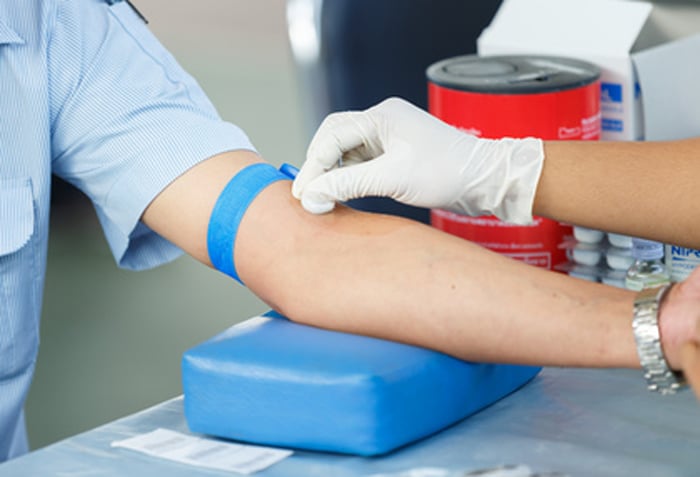
Ultimate Guide to Mastering the Phlebotomy National Exam: Tips, Resources, and Certification
If you’re pursuing a career in healthcare, becoming a certified phlebotomist is a crucial step. the phlebotomy National Exam tests your knowlege, skills, and readiness to excel in this vital role. Preparing thoroughly can make a meaningful difference in passing on your first attempt. This comprehensive guide offers expert tips, essential resources, and strategies to help you master the exam with confidence. Whether you’re a beginner or seeking to improve your scores, read on to unlock your potential and advance your career in phlebotomy.
Understanding the Phlebotomy national Exam
The Phlebotomy National Certification Exam is designed to evaluate your proficiency in blood collection techniques, safety procedures, and patient care. Administered by reputable certifying bodies such as the National Phlebotomy Association (NPA) or American Society of Phlebotomy Technicians (ASPT), this exam typically includes multiple-choice questions covering:
- Medical terminology and anatomy
- Venipuncture and dermal puncture procedures
- Infection control and safety protocols
- Patient interaction and communication
- Compliance and legal considerations
Understanding the exam structure and content areas is vital for targeted prep and increased confidence during test day.
Effective Tips for Excelling in the Phlebotomy Certification exam
1. Develop a Structured Study Plan
Create a timeline that allocates ample time for each exam section. Include daily or weekly goals, review sessions, and practice exams. consistency is key for retention and comprehension.
2. Utilize High-Quality Study Resources
Leverage reputable textbooks, online courses, and practice tests. Some recommended resources include:
- National Phlebotomy Association Study Guides
- ASPT Practice tests
- Online platforms like Quizlet for flashcards
- Video tutorials on venipuncture techniques
3. Practice Hands-On Skills
Practicing venipuncture techniques in real or simulated settings boosts your confidence and proficiency. Seek opportunities to perform blood draws under supervision or through practical labs.
4. Focus on safety and Compliance
Understanding OSHA standards, patient confidentiality (HIPAA), and universal precautions is critical. Practice implementing safety protocols consistently.
5. Take Practice Exams Regularly
Simulate test conditions with timed practice exams to improve your time management, identify weak areas, and build exam stamina.
Top Resources for Phlebotomy Certification Preparation
| Resource | Description | link |
|---|---|---|
| National Phlebotomy Association (NPA) | Official study guides, certification tips, and practice tests. | Visit NPA |
| American Society of Phlebotomy Technicians (ASPT) | Certification resources, exam blueprints, and training materials. | Visit ASPT |
| ClinicalHands-on Labs | Practice blood draws in realistic simulation labs. | Visit ClinicalHands-on |
| Quizlet Flashcards | study and memorize key terminology and procedures. | Visit Quizlet |
| YouTube Tutorials | Visual demonstrations of venipuncture and safety procedures. | Search for Phlebotomy Tutorials |
Practical Tips for Certification Success
- Stay Organized: Keep all your study materials, notes, and practice tests in one place for easy access.
- Join Study Groups: Collaboration with peers can enhance understanding and motivation.
- Review Wrong Answers: Analyse your mistakes on practice tests to avoid repeating errors.
- Take Care of Yourself: Rest well,eat healthily,and stay hydrated to maintain focus and stamina.
- Arrive Prepared: Know the exam location,required documentation,and what to bring on test day.
Benefits of Becoming a Certified Phlebotomist
- Increased Employability: Certification enhances your credibility and job prospects.
- Higher Earning Potential: Certified professionals often earn more then non-certified counterparts.
- Career Advancement: Certification can lead to supervisory roles or specialized fields like pediatric or geriatric phlebotomy.
- Professional Recognition: Certification validates your skills and commitment to quality patient care.
case Study: Success Stories from Certified Phlebotomists
Emma, a recent graduate, struggled with initial practice exams. By dedicating an extra month to targeted study with online resources and hands-on practice, she passed her certification exam on her second attempt. her confidence soared, and she quickly secured a position at a prominent hospital. Emma emphasizes that consistent practice, utilizing practice tests, and seeking mentorship were key to her success.
First-hand Insights: Preparing for Your Certification Exam
Many aspiring phlebotomists share that the most effective preparation combines theoretical knowledge with practical experience. “Practice makes perfect,” they say. Engaging in real-world blood collection under supervision, reviewing case studies, and understanding patient safety nuances make a real difference in exam readiness and professional competence.
Conclusion
Mastering the Phlebotomy National Exam is a rewarding journey that opens doors to a fulfilling healthcare career. By following a structured study plan, utilizing reliable resources, practicing hands-on skills, and understanding exam strategies, you can achieve certification success. Remember,preparation,consistency,and confidence are your best allies. Invest in your future today and take the first step toward becoming a certified phlebotomist with the tools and tips highlighted in this guide. Your healthcare journey awaits!
