Phlebotomist Training And Education: A Comprehensive Guide
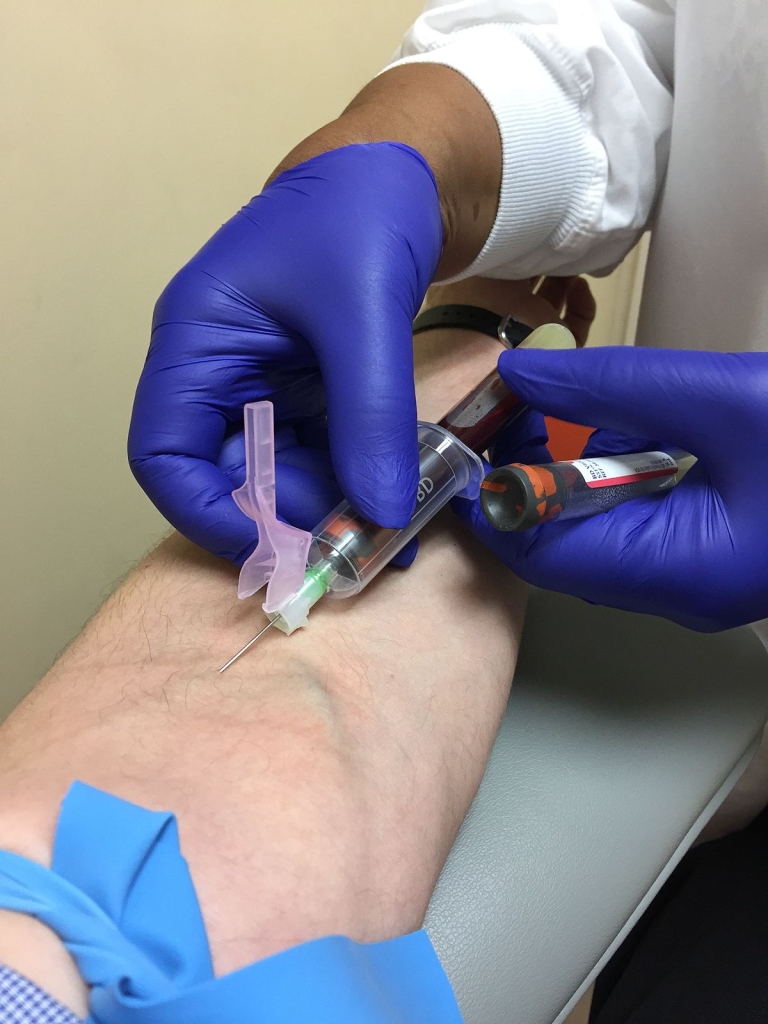
Are you interested in becoming a phlebotomist? Do you have a passion for helping others and want to work in the healthcare field? If so, then a career in phlebotomy might be the perfect fit for you. Phlebotomists are healthcare professionals who specialize in drawing blood from patients for medical testing, transfusions, donations, or research purposes. In order to become a successful phlebotomist, you will need to undergo proper training and education. In this comprehensive guide, we will explore the various aspects of phlebotomist training and education, including the required courses, certifications, and practical tips for success.
Phlebotomist Training Requirements
Before you can start working as a phlebotomist, you need to complete a formal training program. The training requirements for phlebotomists vary by state, but most programs include a combination of classroom instruction and hands-on experience. Some of the key components of phlebotomy training include:
- Anatomy and physiology
- Medical terminology
- Blood collection techniques
- Infection control
- Ethics and legal issues
Phlebotomist Education
In addition to completing a training program, many employers also require phlebotomists to hold a certification from a recognized organization, such as the National Healthcareer Association (NHA) or the American Society for Clinical Pathology (ASCP). These certifications demonstrate that you have the necessary skills and knowledge to perform the duties of a phlebotomist effectively.
Phlebotomist education programs are available at a variety of institutions, including community colleges, vocational schools, and online training programs. It is important to choose a program that is accredited by a recognized accrediting body, such as the Accrediting Bureau of Health Education Schools (ABHES) or the Commission on Accreditation of Allied Health Education Programs (CAAHEP).
Benefits of Phlebotomist Training and Education
There are several benefits to undergoing proper training and education to become a phlebotomist, including:
- Increased job opportunities: Employers prefer to hire trained and certified phlebotomists.
- Higher earning potential: Certified phlebotomists typically earn higher salaries.
- Job security: Healthcare is a growing field, and there is a high demand for phlebotomists.
- Personal fulfillment: Phlebotomy can be a rewarding career that allows you to make a difference in people’s lives.
Practical Tips for Phlebotomist Training and Education
If you are considering a career in phlebotomy, here are some practical tips to help you succeed in your training and education:
- Stay organized and manage your time effectively.
- Practice your skills regularly to improve your technique.
- Seek out internships or volunteer opportunities to gain hands-on experience.
- Stay up-to-date on the latest trends and developments in the field of phlebotomy.
Conclusion
Phlebotomy is a rewarding and in-demand career that offers a variety of opportunities for growth and advancement. By undergoing proper training and education, you can position yourself for success in this field. Whether you are just starting out or looking to advance your career, phlebotomist training and education are essential steps on the path to success. Take the time to invest in your education and training, and you will be well-equipped to pursue a fulfilling career as a phlebotomist.
