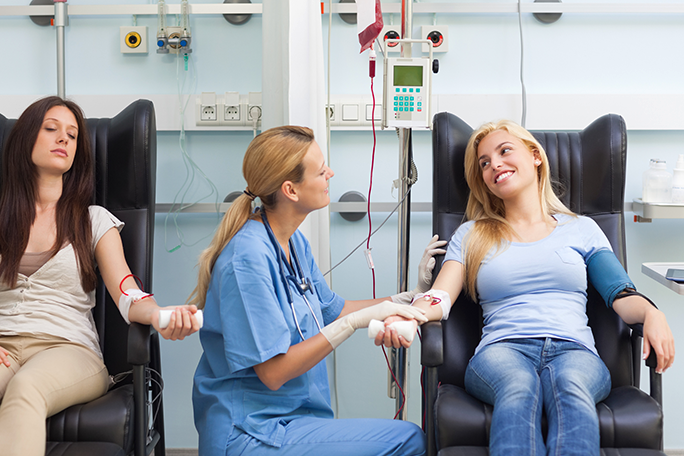
Phlebotomy Certification Training Program: Everything You Need to Know
Are you interested in pursuing a career in healthcare that allows you to work directly with patients and make a meaningful impact on their lives? If so, becoming a phlebotomist may be the perfect fit for you. Phlebotomists are essential members of the medical team who specialize in drawing blood for tests, transfusions, donations, and research. To become a certified phlebotomist, you must complete a comprehensive training program that covers the necessary skills and knowledge needed for success in this field.
What is a Phlebotomy Certification Training Program?
A phlebotomy certification training program is a formal education program designed to teach individuals the techniques and procedures required to safely and effectively draw blood from patients. These programs typically include a combination of classroom instruction, hands-on training, and clinical experience to ensure students are well-prepared for the demands of the job. Upon completion of the program, students are eligible to sit for a certification exam to become a certified phlebotomist.
Benefits of Obtaining Phlebotomy Certification
- Increased job opportunities: Many healthcare facilities require phlebotomists to be certified.
- Higher earning potential: Certified phlebotomists typically earn higher salaries than non-certified individuals.
- Professional growth: Certification demonstrates your commitment to excellence in the field.
- Job security: Certification can make you a more competitive candidate in the job market.
What to Expect in a Phlebotomy Certification Training Program
During a phlebotomy certification training program, students will learn a variety of skills and techniques, including:
- Proper venipuncture procedures
- How to collect and handle blood specimens
- Infection control and safety protocols
- Anatomy and physiology of the circulatory system
- Medical terminology
Students will also have the opportunity to practice their skills in a simulated lab setting and in real-world clinical environments under the supervision of experienced phlebotomists. This hands-on experience is crucial for developing the confidence and proficiency needed to excel in a phlebotomy career.
Practical Tips for Success in a Phlebotomy Certification Training Program
- Stay organized and manage your time effectively to keep up with coursework and clinical requirements.
- Practice venipuncture techniques regularly to improve your skills and build confidence.
- Ask questions and seek feedback from instructors and peers to enhance your learning experience.
- Stay up-to-date on industry trends and best practices to remain competitive in the field.
Case Study: Maria’s Journey to Becoming a Certified Phlebotomist
Maria always had a passion for helping others and knew she wanted to pursue a career in healthcare. After researching different options, she decided to enroll in a phlebotomy certification training program at her local community college. Through hard work and dedication, Maria successfully completed the program and passed her certification exam on the first try. She is now working as a certified phlebotomist at a prestigious hospital, where she is able to make a difference in the lives of patients every day.
Conclusion
Obtaining a phlebotomy certification through a reputable training program is the first step towards a rewarding career in healthcare. By honing your skills, gaining hands-on experience, and staying committed to your professional development, you can set yourself up for success as a certified phlebotomist. Are you ready to take the next step towards achieving your career goals? Enroll in a phlebotomy certification training program today and start your journey towards a fulfilling and impactful career in healthcare.
