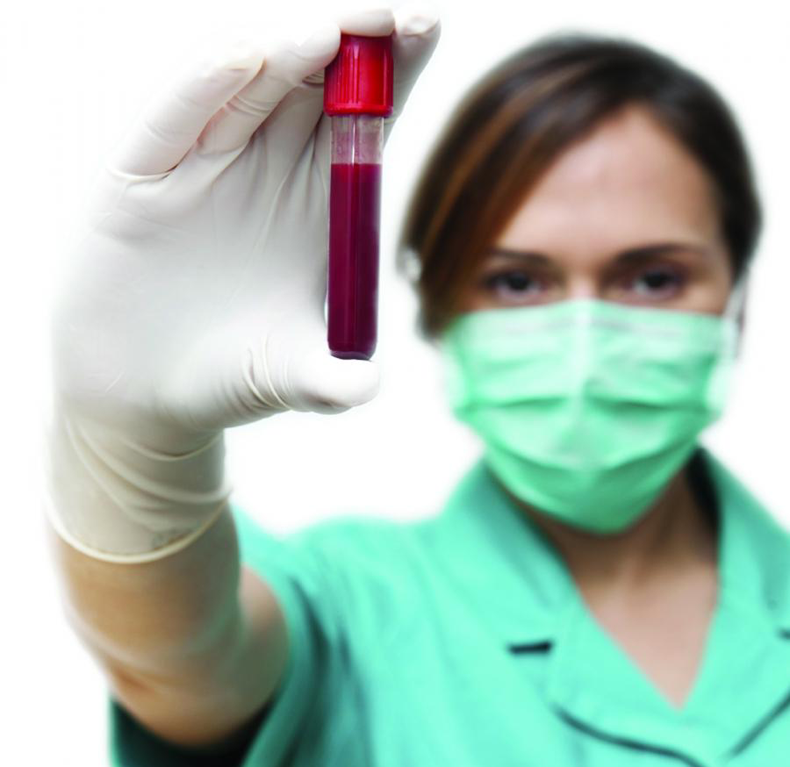
The Ultimate Guide to Phlebotomy: careers, Techniques, and Essential Skills
If you’re interested in a healthcare career that combines technical skills, patient interaction, and vital contributions to diagnostics, phlebotomy could be the perfect path for you. in this comprehensive guide, we’ll explore everything you need to know about phlebotomy – including its career opportunities, core techniques, essential skills, and practical tips for success.Whether you’re a student considering entering this field or a professional seeking to enhance your knowledge,this article has valuable insights for you.
Introduction to Phlebotomy
Phlebotomy is the medical practice of drawing blood from patients for laboratory testing, transfusions, or donations. It plays a crucial role in healthcare diagnostics, disease detection, and treatment monitoring. Despite its seeming simplicity, phlebotomy requires specific skills, attention to detail, and a compassionate approach to patient care.As demand for diagnostic testing continues to grow, a career in phlebotomy offers stability, flexibility, and the potential for advancement.
Career Opportunities in Phlebotomy
Types of Phlebotomy Professionals
- Phlebotomy Technician: Typically works in hospitals, clinics, or laboratories performing blood draws.
- Phlebotomist: A general term for professionals specializing in venipuncture and specimen collection.
- Mobile Phlebotomist: Provides blood collection services at patients’ homes or remote locations.
- Supervisory Roles: Experienced phlebotomists can advance to supervisory or administrative roles within healthcare facilities.
Employment Settings & Job Outlook
| Employment Setting | Demand & Outlook |
|---|---|
| Hospitals & Medical Labs | High demand, stable employment |
| Clinics & Physician Offices | Growing need due to outpatient services |
| Mobile & Home Care | Expanding niche, flexible hours |
core Techniques in Phlebotomy
Basic Blood Collection Methods
- Venipuncture: Drawing blood from a vein, typically using a needle and tube system.
- Capillary Collection: Using fingerstick or heelstick methods for small blood samples.
- Arterial Puncture: Less common, used for arterial blood gas analysis.
Step-by-Step Procedure for Venipuncture
- Identify the vein and confirm patient identity.
- Gather all necessary equipment: needles, tubes, tourniquet, gloves, and antiseptic.
- Apply the tourniquet to make the vein more prominent.
- Clean the puncture site with an alcohol swab and allow it to dry.
- Insert the needle at the correct angle (typically 15-30 degrees).
- fill the collection tubes as needed, then remove the tourniquet.
- Withdraw the needle, apply pressure, and bandage the site.
Essential Skills and Qualifications
Required Skills
- Steady hands: Precision during blood draw to minimize patient discomfort and avoid complications.
- Interpersonal Skills: Compassion, patience, and effective interaction with diverse patients.
- Attention to Detail: Accurate labeling and handling of specimens to ensure reliable results.
- Knowledge of Safety Protocols: Proper use of PPE and disposal of sharps to prevent infections.
Educational and Certification Requirements
- High School Diploma or GED as minimum education.
- Phlebotomy Certification: Offered by various accredited organizations such as the National Phlebotomy Association (NPA), American Society for Clinical Pathology (ASCP), or the National Healthcareer Association (NHA).
- Training programs: Frequently enough include both classroom instruction and practical hands-on experience.
Practical Tips for aspiring & Practicing Phlebotomists
- Practice venipuncture techniques regularly to build confidence and skill.
- Maintain a clean and organized workspace to ensure safety and efficiency.
- Communicate clearly with patients, explaining each step to reduce anxiety.
- Stay updated on new safety protocols and breakthroughs in blood collection technology.
Benefits of a Career in Phlebotomy
- High Demand: The need for qualified phlebotomists is projected to grow faster than average.
- Flexible Work Schedules: Opportunities for part-time and shift work.
- Relatively short Training Period: Certification programs typically take a few months.
- Entry-Level Accessibility: no extensive college degree required, making it an attainable healthcare career.
Case Study: First-Hand Experience of a phlebotomist
Sarah, a certified phlebotomist with two years of experience, shares her insight: “Working in a busy hospital outpatient clinic, I’ve learned the importance of patience and professionalism. One of my most memorable moments was successfully drawing blood from a pediatric patient who was initially very scared. Using a gentle approach and explaining what I was doing helped build trust. Being part of a team that helps diagnose and treat patients makes this profession truly rewarding.”
Conclusion
Phlebotomy is a vital healthcare profession that combines technical expertise, patient interaction, and attention to detail. Whether you’re just starting or looking to advance your skills, understanding the core techniques, essential skills, and career opportunities is crucial. With proper training, certification, and a compassionate approach, you can build a rewarding career in this growing field. Embrace the practical tips, stay committed to your professional development, and contribute meaningfully to patient care and medical diagnostics.
If you’re ready to start your journey into phlebotomy, explore accredited training programs today and take the first step toward a fulfilling healthcare career!
