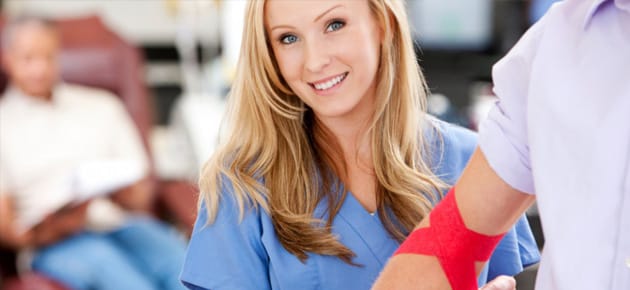
Become a Phlebotomist Volunteer: How to Gain Experience and Make a Difference in Healthcare
Are you passionate about healthcare and interested in a career as a phlebotomist? Volunteering as a phlebotomist volunteer can be an unbelievable way to gain hands-on experience, develop your skills, and contribute positively to patient care. Whether you’re a student, career changer, or someone looking to give back to the community, this guide will show you how to become a phlebotomist volunteer, the benefits it offers, and practical steps to get started.
Introduction
entering the healthcare field requires dedication, compassion, and practical experience. Phlebotomy-the practice of drawing blood-is a critical component of many medical procedures, diagnostic testing, and patient assessments.Volunteering as a phlebotomist volunteer not only enhances your clinical skills but also helps you understand the realities of patient care while making a meaningful difference in people’s lives. Plus, it can open doors to paid positions or further medical training in laboratories, clinics, or hospitals.
Why Volunteer as a Phlebotomist?
Choosing to become a phlebotomist volunteer offers numerous benefits:
- Gain Valuable Experience: hands-on practice drawing blood, handling equipment, and maintaining safety protocols.
- Build Your Resume: Demonstrate your commitment and practical skills to future employers or educational institutions.
- Enhance Patient Skills: Develop communication and empathy skills crucial for patient interactions.
- network and Mentorship: Connect with healthcare professionals, mentors, and colleagues.
- Make a Difference: Provide comfort and care to patients, especially in busy hospital or clinic settings.
Steps to Become a Phlebotomist Volunteer
1. Understand the Requirements
Before volunteering, familiarize yourself with typical prerequisites, which may include:
- Basic education (high school diploma or equivalent)
- Completion of a recognized phlebotomy training program (preferred but not always required)
- Strong communication and interpersonal skills
- Availability to commit to volunteer hours
2. Obtain Necessary Certifications or Training
While some volunteer positions do not require formal certification, having a certified phlebotomist certification can increase your chances of acceptance and prepare you better. Consider completing courses accredited by organizations such as:
- American Society for Clinical Pathology (ASCP)
- National Healthcareer Association (NHA)
- American Medical Certification Association (AMCA)
3. Research Volunteer Opportunities
Look for volunteer programs in:
- Local hospitals and clinics
- Community health centers
- non-profit medical outreach programs
- Blood donation centers
Visit institutional websites,volunteer portals,or contact their volunteer services departments directly to inquire about phlebotomy volunteering opportunities.
4.Prepare Your Request
When applying, be ready to submit:
- An updated resume highlighting any healthcare-related experience or training
- A motivation letter expressing your interest in volunteering as a phlebotomist
- References, if required
5. Complete Orientation and Training
Most volunteer programs require an orientation session covering hospital protocols, safety procedures, and patient interaction guidelines. Some programs may also provide specific phlebotomy training during the onboarding process.
Practical Tips for Success as a Phlebotomist Volunteer
- Practice Good Hygiene: Follow strict sanitation protocols to ensure safety.
- Communicate Clearly: Explain procedures to patients to reduce anxiety and build trust.
- Be Patient and Compassionate: Some patients are nervous or scared; patience helps create a comfortable environment.
- Stay Organized: Keep track of sample labels and documentation meticulously.
- Keep Learning: Ask questions, observe experienced professionals, and stay updated on best practices.
Benefits of Volunteering in Healthcare Settings
| Benefit | Description | Impact |
|---|---|---|
| Hands-on Experience | Develop practical skills in blood collection, patient communication, and safety protocols. | Prepares you for certification exams and paid roles. |
| Community Engagement | Contribute to public health and support underserved populations. | Fulfilling personal and professional growth. |
| Networking Opportunities | Meet healthcare professionals and potential mentors. | Future job references and career opportunities. |
| Personal Satisfaction | Making a tangible difference in patients’ lives. | Boosts confidence and emotional resilience. |
Case Study: A Volunteer’s Journey into Healthcare
Meet Lisa, a college student aspiring to become a registered nurse.She started volunteering as a phlebotomist volunteer at her local hospital. Through her volunteer work, Lisa gained firsthand experience in blood collection, patient interaction, and hospital protocols. She also received mentorship from experienced phlebotomists, which helped her prepare for her nursing prerequisites. Her volunteer service not only enriched her resume but also affirmed her passion for healthcare, leading her to pursue a career with a solid practical foundation.
First-Hand Experience: What Volunteer Work Looks Like
Volunteer phlebotomists typically:
- Assist in blood draw procedures under supervision
- Prepare patients for blood withdrawal, demonstrating empathy and professionalism
- Handle and label specimens accurately
- Assist with patient documentation and clerical tasks
This immersive experience builds confidence and provides a real-world understanding of clinical work, paving the way for a successful healthcare career.
Conclusion
Volunteering as a phlebotomist is an excellent step toward a rewarding healthcare career. it allows you to gain practical skills, contribute meaningfully to patient well-being, and expand your professional network.Whether you’re an aspiring healthcare professional or simply someone who wants to make a difference, becoming a phlebotomist volunteer offers invaluable experience and personal growth. Start exploring volunteer opportunities today,and take your first step into the world of healthcare and community service!
Remember,every needle stick,smile,and compassionate word you offer as a volunteer helps improve patient outcomes and brings you closer to your healthcare goals.
