Become a Certified Phlebotomist: Your Complete Guide to Training and Career Success
Are you considering a rewarding career in healthcare that involves helping people directly? Becoming a certified phlebotomist might be the perfect choice for you! This complete guide walks you through the essential steps of training, certification, and building a accomplished career in phlebotomy. Whether you’re just starting out or looking to advance your skills, this article provides valuable insights to help you succeed as a certified phlebotomist.
What is a Certified Phlebotomist?
A certified phlebotomist is a healthcare professional trained to draw blood samples from patients for testing, transfusions, research, or blood donations.This role is vital in hospitals, clinics, laboratories, and blood banks. Certification verifies that the individual has the necessary skills, knowledge, and professionalism to perform venipuncture safely and efficiently.
Why Pursue Certification in Phlebotomy?
- Enhanced Employment Opportunities: Certification distinguishes you from other candidates and can lead to higher-paying roles.
- Credibility and Trust: Certified phlebotomists are recognized for adhering to industry standards and safety protocols.
- Legal requirement: Many states and employers require certification to practise legally.
- Professional Development: Certification often involves continuing education,helping you stay current in the field.
The Path to Becoming a Certified phlebotomist
Embarking on a career in phlebotomy involves several steps, from obtaining the right education to passing certification exams.Here’s a roadmap to guide you through the process:
1. Meet the Basic Eligibility Requirements
- High school diploma or GED
- Minimum age of 18 (may vary by state)
- Good physical health and dexterity
- Background check (depending on state and employer)
2. enroll in a Certified Phlebotomy Training Program
Finding the right training program is crucial. Look for programs accredited by organizations like the National Healthcareer Association (NHA), American Society for Clinical Pathology (ASCP), or American Medical Technologists (AMT). These programs typically cover:
- Anatomy and physiology related to blood collection
- Proper venipuncture techniques
- Safety and infection control protocols
- Handling and processing blood samples
- Patient interaction and communication skills
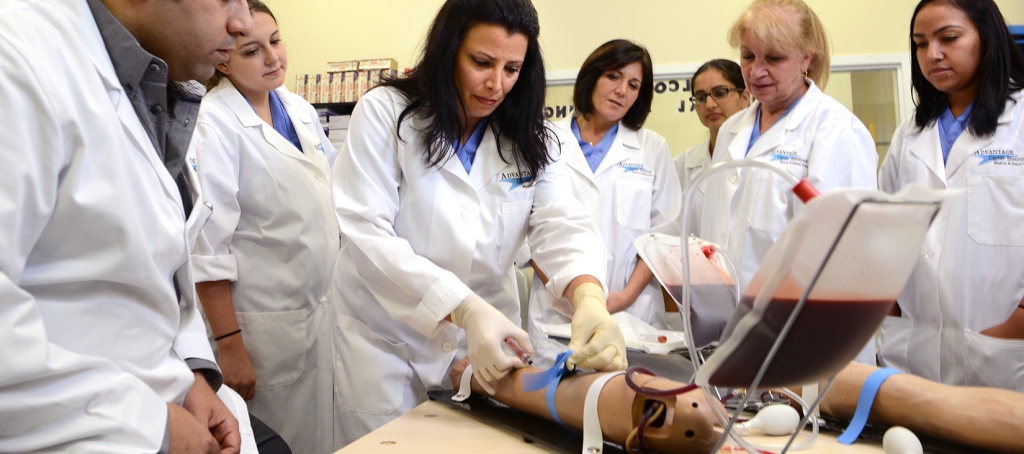
3. Complete Practical Hands-On Training
Most certification programs include supervised practice,giving you the experience needed to perform venipuncture confidently and safely.
4. Prepare for the Certification Exam
Once trained, you should prepare for the certification exam offered by organizations such as:
- National Healthcareer Association (NHA) – Certified Phlebotomy Technician (CPT)
- American society for clinical Pathology (ASCP) – Phlebotomy Technician (PBT) exam
- American Medical Technologists (AMT) - Registered Phlebotomy Technician (RPT)
5.Pass the Certification Exam
The exam typically includes multiple-choice questions testing your theoretical knowledge and practical skills. Once you pass, you’ll receive your certification, officially recognizing you as a qualified phlebotomist.
Benefits of Certified Phlebotomists
Becoming certified opens doors to numerous benefits:
- Higher Salary: Certified phlebotomists earn more than their non-certified counterparts.
- Job Stability: Certification often leads to more job security.
- Career Advancement: Certifications can facilitate specialization or leadership roles.
- Personal Satisfaction: Knowing you provide critical healthcare services can be very rewarding.
Practical Tips for Aspiring Phlebotomists
- choose accredited training programs-quality education matters.
- Gain hands-on experience during training-you’ll feel more confident performing blood draws.
- Prepare thoroughly for certification exams using practice tests and study guides.
- Develop excellent communication skills to comfort and reassure patients.
- always adhere to safety protocols and infection control standards.
- Stay updated with continuing education to keep your certification current and enhance your skills.
Case Study: Success Story of a Certified Phlebotomist
| Name | Training Program | Certification | Current Role |
|---|---|---|---|
| Jessica M. | Community College Phlebotomy Certification | CPT from NHA | Senior Phlebotomy Technician at City Hospital |
Jessica started her journey by completing an accredited training program, passing her certification exam, and gaining practical experience.Today, she leads a team of phlebotomists and mentors newcomers, exemplifying how certification can fuel career growth.
Conclusion: Your path to a Rewarding Healthcare Career
Becoming a certified phlebotomist is an attainable and fulfilling career choice for those interested in healthcare, patient interaction, and diagnostics. With proper training, certification, and dedication, you can establish a stable career helping others and making a difference in medical services.
Now is the perfect time to start your journey toward becoming a certified phlebotomist. Explore accredited training programs today, prepare for your certification exam, and take the first step toward a successful and rewarding career in healthcare!
