Understanding “Draws Blood Called”: Causes, Symptoms, and What It Means
If you’ve come across the phrase “draws blood called” in medical conversations or casual contexts, you might be wondering what it really means. While it may sound dramatic, understanding this phrase involves knowing about its causes, symptoms, and implications. Whether you’re a patient, caregiver, or simply curious about medical terminology, this comprehensive guide will clarify what “draws blood called” signifies and help demystify its significance.
Table of Contents
- What Does “Draws Blood Called” Mean?
- Causes of Drawing Blood
- Symptoms Associated with Drawing Blood
- Medical Implications and What It Indicates
- Benefits and Practical Tips
- Case Studies and Real-Life Examples
- First-Hand Experience and Advice
- Conclusion
What Does “Draws Blood Called” Mean?
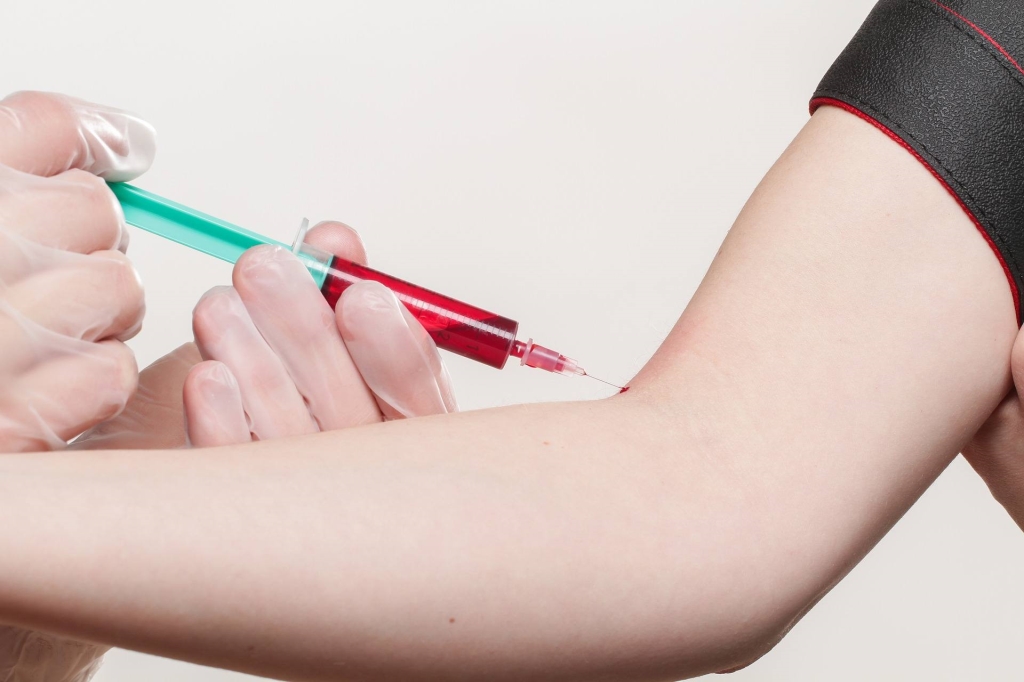
The phrase “draws blood called” is often used to describe a situation where someone experiences the act of having blood taken from their body, usually through a medical procedure like venipuncture. It can also refer to a scenario where a healthcare professional is called specifically to perform a blood draw,perhaps to diagnose or monitor a health condition.
In colloquial or metaphorical uses,”draws blood” can imply a situation where someone causes emotional,physical,or symbolic damage. However, in the context of “called,” it primarily refers to a medical procedure involving blood collection.
Understanding this phrase is essential for interpreting medical instructions,patient experiences,or healthcare discussions accurately.
Causes of Drawing Blood
Drawing blood is a common medical procedure performed for various reasons. Here are the main causes or reasons why blood might be drawn:
Primary medical Reasons
- diagnostic testing: To analyse blood for infections, anemia, cholesterol levels, diabetes, or organ function.
- Monitoring chronic conditions: Such as diabetes or heart disease, to assess ongoing health status.
- Pre-surgical assessments: Ensuring patient health before surgery.
- Blood donation: Collecting blood for transfusions or plasma therapy.
- Detecting allergies or immune responses: Through specific blood tests.
Other Situations
- Routine health check-ups: as part of annual exams.
- Research studies: For medical research and clinical trials.
- Blood safety screening: Screening blood donors for infectious diseases.
Symptoms Associated with Drawing Blood
Most people tolerate blood draws well, but some may experience minor symptoms or side effects:
- Soreness or bruising: Around the puncture site.
- Lightheadedness or dizziness: Due to blood loss or anxiety.
- Fainting: Rarely, some individuals may faint during or after the procedure.
- Swelling or hematoma: Collection of blood under the skin.
- Infection: Rare, if the site isn’t properly sterilized.
If you notice persistent symptoms such as severe pain, swelling, or signs of infection, contact your healthcare provider immediately.
Medical Implications and What It Indicates
While drawing blood is generally safe, understanding what it indicates is crucial:
| Indicator | What It Means |
|---|---|
| routine check-up | Standard procedure for health monitoring. |
| Abnormal blood results | Could indicate underlying health issues like infection, anemia, or metabolic problems. |
| Frequent blood draws | May signal ongoing chronic conditions requiring close monitoring. |
| Blood donation | Helpful for saving lives and health benefits for donors. |
In certain specific cases,the phrase “draws blood called” might be used metaphorically,implying an emotionally intense situation or conflict. But medically, it’s straightforward-drawing blood is a routine diagnostic procedure with minimal risks.
Benefits and Practical Tips for Blood Draws
Benefits
- Accurate diagnosis: Blood tests provide vital information for health assessment.
- Monitoring health: Essential for managing chronic diseases.
- Preventive care: Helps in early detection of potential health issues.
- Blood donation: Saves lives and promotes community health.
Practical Tips
- Stay hydrated: Drink plenty of water before the blood draw to make veins more accessible.
- Communicate: Inform the phlebotomist if you feel anxious or have a history of fainting.
- Relax: Try to stay calm to minimize discomfort.
- Follow instructions: For fasting or other prep if required.
- Post-procedure care: keep the bandage on, and watch for excessive bleeding or swelling.
Case Studies and Real-Life Examples
Understanding real-world scenarios helps contextualize the process of blood drawing:
Case Study 1: Routine Blood Test at annual Check-up
Jane,a 35-year-old,visits her doctor for her annual physical. Blood is drawn to check cholesterol, blood sugar, and thyroid levels. the procedure is quick, and she experiences mild tenderness but no adverse effects. The results help her manage her health proactively.
Case Study 2: Monitoring Diabetes
John, a diabetic patient, needs frequent blood glucose monitoring. He visits the clinic weekly for blood draws, which help adjust his medication and diet for optimal control.
Case Study 3: Blood Donation Drive
A healthy donor undergoes a blood donation, feeling satisfied about contributing to community health. The process takes about 10 minutes, and the donor feels fine afterward with simple post-donation care.
First-Hand Experience and Advice
many people find blood draws intimidating, but knowing what to expect can ease anxiety:
- Prepare by hydrating and relaxing before the appointment.
- Inform the technician about any fears or previous adverse reactions.
- Remember that the procedure is quick, usually lasting just a few minutes.
- Follow post-test instructions for optimal recovery.
Personally, I’ve found that taking deep breaths and listening to calming music helps reduce stress during blood draws. Remember, healthcare professionals are experienced and aim to make the process as comfortable as possible.
Conclusion
The phrase “draws blood called” is a straightforward medical term referring to the process of blood collection during various tests and procedures. Understanding its causes, symptoms, and implications helps demystify the experience and reduces unnecessary anxiety. Whether for routine health assessments, diagnosing health conditions, or donating blood, this procedure plays a vital role in modern healthcare. By following practical tips and being informed, patients can ensure a smooth and comfortable experience.
If you encounter this phrase or need to undergo blood testing, remember its importance for your health and wellbeing. Knowledge empowers you to take proactive steps toward better health management.
