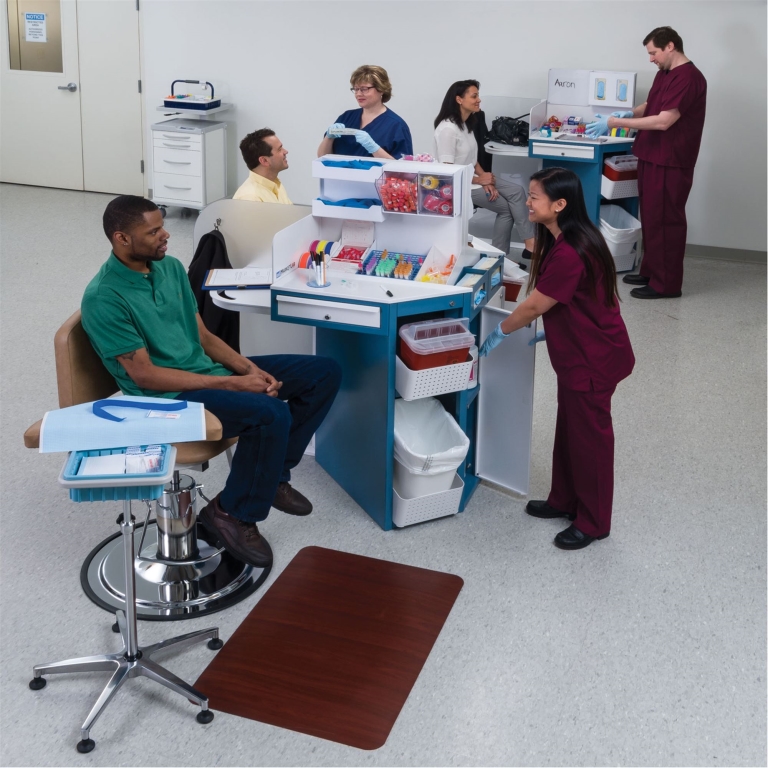
Become a Certified EKG & Phlebotomy Technician: Your Guide to Starting a Rewarding Medical Career
Embarking on a career in the healthcare industry can be both exciting and rewarding. If you’re interested in contributing to patient care, working in a fast-paced environment, and gaining valuable medical skills, becoming a certified EKG and phlebotomy technician is an excellent choice. This comprehensive guide will walk you through the essential steps, certifications, benefits, and practical tips to help you start and succeed in this fulfilling medical profession.
introduction
In today’s healthcare landscape, cardiovascular monitoring and blood collection are critical components of patient diagnostics and treatment. Certified EKG (Electrocardiogram) and phlebotomy technicians play vital roles in hospitals, clinics, diagnostic labs, and doctors’ offices. These roles require specialized training and certification but offer a pathway to a stable, well-paying career with rewarding interactions with patients.
Why Choose a Career as an EKG & phlebotomy Technician?
- High Demand: Healthcare facilities continuously seek qualified EKG and phlebotomy technicians due to increasing patient volumes and expanding diagnostic services.
- Competitive Salary: Entry-level positions often offer competitive wages with opportunities for increased earnings as you gain experience and additional certifications.
- Fast Training Programs: Certification programs typically range from a few weeks to a few months,enabling you to start your career quickly.
- Personal Fulfillment: Helping patients and contributing to critical diagnostics offers great personal and professional satisfaction.
how to Become a Certified EKG & Phlebotomy Technician
Step 1: meet Basic Requirements
- High school diploma or GED – Essential for enrollment in certification programs.
- Basic immunizations and background checks – Often required before clinical training.
- Good verbal and manual dexterity skills – Necessary for patient interaction and specimen collection.
Step 2: Enroll in a certified Training Program
Find accredited programs that offer comprehensive courses in EKG technology and phlebotomy. Look for programs approved by organizations such as the American Society of Phlebotomy technicians (ASPT), National Healthcareer association (NHA), or other recognized entities.
Step 3: Complete Classroom and Clinical Training
- Classroom Learning: Covers anatomy, physiology, infection control, and safety protocols.
- Clinical Practice: Hands-on training in blood collection and electrocardiogram procedures under supervision.
Step 4: Obtain Certification
Passing a certification exam is usually required to become a licensed or certified EKG or phlebotomy technician. Certifications enhance employability and demonstrate professional competence.
Popular Certification Options:
| Certification | Issuing Organization | Validity |
|---|---|---|
| Certified Phlebotomy Technician (CPT) | National Healthcareer Association (NHA) | 2 years |
| Electrocardiogram (EKG) Technician Certification | American Society of Phlebotomy Technicians (ASPT) | 2 years |
Benefits of Becoming a Certified EKG & Phlebotomy Technician
- Enhanced Employability: Certification increases your chances of landing desirable jobs in healthcare facilities.
- higher earning Potential: Certified technicians typically earn more than non-certified peers.
- Professional Credibility: Certification signifies competence and dedication to the profession.
- Career Advancement: Certifications can pave the way for specialized roles or further healthcare education.
Practical Tips for Aspiring EKG & Phlebotomy Technicians
- Choose Accredited Programs: Ensure your training program is recognized by reputable accrediting bodies.
- Gain Hands-On Experience: Maximize clinical practice to develop confidence and proficiency.
- Prepare for Certification Exams: Use practice tests and study guides to excel in certification exams.
- Build a Professional Network: Join healthcare associations and attend job fairs.
- Keep Learning: Stay updated on new procedures, certifications, and industry trends.
Case Studies and Real-Life Experience
success Story: Maria’s Journey to a Healthcare Career
Maria, a recent high school graduate, enrolled in a 3-month phlebotomy certification program. With dedication and hands-on practice, she passed her certification exam and secured a position at a local clinic. Today, Maria appreciates the immediate impact she has on patients’ health journeys and plans to pursue advanced certifications in EKG technology. Her story illustrates how speedy training and certification can led to a fulfilling healthcare career.
Practical Experience Matters
- Volunteer at clinics or blood drives to gain real-world exposure.
- Practice your skills diligently during clinical training to ensure confidence in patient interactions.
- Seek feedback from supervisors and peers to improve your techniques.
What to Expect on the Job
- Performing EKGs and blood draws in a clinical setting.
- Preparing patients and explaining procedures clearly and compassionately.
- Maintaining sterile techniques and accurate documentation.
- Collaborating with nurses, doctors, and other healthcare staff.
Conclusion
becoming a certified EKG and phlebotomy technician offers an accessible and rewarding pathway into the healthcare industry. With the right training, certification, and dedication, you can build a stable career helping patients and supporting medical teams. Remember,practical experience,continuous learning,and a compassionate approach will distinguish you as a valuable healthcare professional.Start your journey today and step into a career filled with purpose, growth, and personal fulfillment.
Ready to Start Your Medical Career?
If you’re passionate about making a difference in healthcare, explore accredited certification programs in EKG and phlebotomy today. With dedication and the right training, a rewarding medical career is within your reach!
