become a Certified Phlebotomist: Essential Training and Certification Tips for a Successful Healthcare Career
Starting a career in healthcare as a certified phlebotomist is an excellent choice for those who are passionate about helping others and interested in medical diagnostics. Phlebotomists play a vital role in patient care by collecting blood samples for testing, wich helps diagnose and monitor various health conditions. Achieving certification not only enhances your credibility but also opens doors to a variety of employment opportunities. In this comprehensive guide, we will explore teh essential training required, certification tips, practical advice, and the benefits of becoming a certified phlebotomist.
What Is a Phlebotomist? Understanding the Role in Healthcare
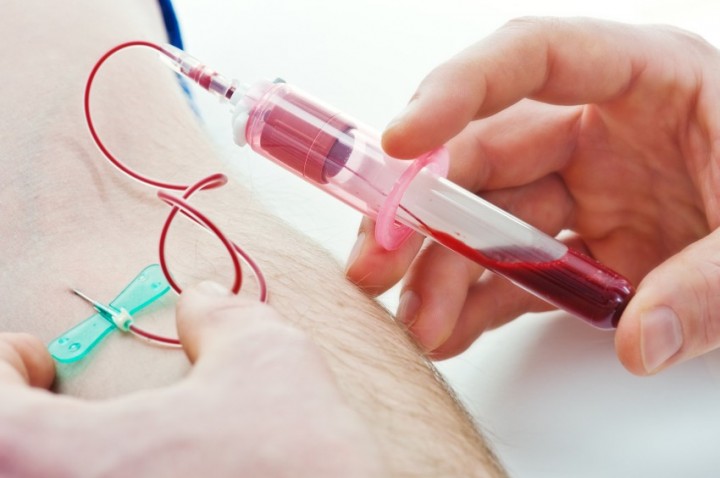
A phlebotomist specializes in drawing blood from patients for laboratory analysis. They work in hospitals,clinics,diagnostic labs,blood donation centers,and other healthcare settings. accurate blood collection, proper specimen handling, and patient interaction are crucial skills for this position.
Why Become a Certified Phlebotomist?
- Enhanced Job Prospects: Certification makes you a more competitive candidate in the healthcare job market.
- Legal Recognition: Certified phlebotomists meet industry standards and frequently enough fulfill legal requirements.
- Increased earning Potential: Certified professionals typically earn higher salaries.
- Professional Progress: Certification often opens pathways for advanced roles or specialization.
- Patient Confidence: Certification assures patients and employers of your competence and professionalism.
Essential Training to Become a Certified Phlebotomist
Training is the foundation of your journey to becoming a certified phlebotomist.It equips you with practical skills, theoretical knowledge, and understanding of safety protocols. Here’s what you need to include in your training:
1. Classroom Education
- Basics of human anatomy and physiology,especially the circulatory system
- Proper techniques for blood collection,including venipuncture and capillary puncture
- Understanding laboratory procedures and specimen processing
- Legal and ethical considerations in blood collection
- Safety protocols and infection control measures
2. Hands-On Practice
Supervised practical training is critical. You’ll learn how to handle equipment, identify veins, and manage common challenges during blood draws.
3. Certification Planning
Many training programs prepare you specifically for certification exams, including practice tests and review sessions.
Certification Options and Requirements
Certification requirements for phlebotomists vary by state and certifying agency. The most recognized certifications are offered by agencies like the American Society for Clinical Pathology (ASCP), National Healthcareer association (NHA), and American Certification Agency (ACA).
General Certification Process:
- Complete an accredited phlebotomy training program
- Meet the hands-on training requirements (number of blood collections performed)
- Apply for certification via the chosen certifying agency
- Pass the certification exam
- Maintain certification through continuing education
Practical Tips for certification Success
- Choose an accredited training program that satisfies state and national requirements.
- Gain hands-on experience by volunteering or working in healthcare settings.
- Stay organized with study guides, practice tests, and review materials.
- Develop strong communication skills to comfort anxious patients.
- Prioritize safety and accuracy to prevent errors and ensure patient safety.
Benefits of Becoming a Certified Phlebotomist
| Benefit | Description |
|---|---|
| Career Stability | High demand for phlebotomists ensures job security and opportunities for advancement. |
| Flexibility | Work in various healthcare environments, including hospitals, clinics, or mobile blood drives. |
| Personal Fulfillment | Making a difference by helping patients and supporting medical diagnoses. |
| Educational Advancement | Certifications can be stepping stones to other health careers like medical assisting or nursing. |
Real-Life Case study: From Trainee to Certified Phlebotomist
Meet Lisa, who transitioned from a healthcare volunteer to a certified phlebotomist in just six months. After completing an accredited training program, she gained hands-on experience at a local clinic, passed her certification exam on her first attempt, and now works in a busy hospital laboratory. Lisa attributes her success to dedicated practice, continuous learning, and strong patient communication skills. Her story exemplifies how focused training and certification can lead to a rewarding healthcare career.
First-Hand Experience: Tips from Working Phlebotomists
- Practice makes perfect: The more blood draws you perform, the more confident you’ll become.
- Build rapport with patients: Friendly interactions ease patient anxiety.
- Stay updated: Regularly review safety protocols and industry standards.
- Be patient and detail-oriented: Accuracy is critical in blood collection and labeling.
Conclusion
Becoming a certified phlebotomist is a rewarding pathway into the healthcare industry, offering stability, growth, and the chance to make a meaningful difference in patients’ lives.By investing in comprehensive training,understanding certification requirements,and applying practical tips,you can position yourself for success in this vital medical role. Whether you’re just starting or looking to advance your healthcare career, certification is your key to unlocking new opportunities. Start your journey today, and contribute to the crucial work of healthcare testing and diagnostics!
Ready to Launch Your Healthcare Career?
Enroll in an accredited phlebotomy training program today and take the first step toward becoming a certified phlebotomist. Your future in healthcare awaits!
