How to become a Phlebotomist: Training, Certificationand Career Steps
Phlebotomists help collect the blood samples that clinicians and laboratories use to diagnose illness, monitor treatmentand support routine health checks. if you are exploring a healthcare career that involves practical skills and direct patient contact, phlebotomy might potentially be a good place to start.
The path is often shorter than many other healthcare training routes, but it still takes preparation. You’ll need to learn safe blood collection techniques, practice communicating with patientsand understand how to label and handle specimens correctly. Requirements also vary by state and employer, so it’s important to check the rules where you plan to work.
This guide explains how to become a phlebotomist, what to expect from phlebotomy training and certification, how to gain experienceand what to consider when applying for jobs.
What Does a Phlebotomist Do?
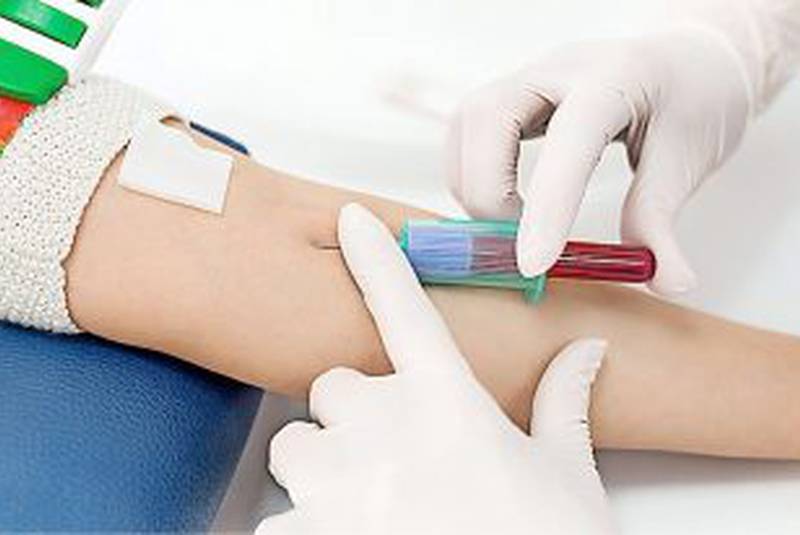
A phlebotomist collects blood samples, most often by venipuncture (drawing blood from a vein) or skin puncture, such as a finger stick. Depending on the workplace, duties may also include preparing collection supplies, confirming patient identity, labeling specimensand sending samples to a laboratory.
Common phlebotomist responsibilities include:
- Reviewing collection instructions and confirming the correct tests are ordered.
- Identifying patients and explaining the procedure in a calm,respectful way.
- Selecting an appropriate collection site and using proper technique.
- collecting, labelingand handling specimens according to workplace procedures.
- Following infection-control practices and disposing of sharps safely.
- Documenting collections and reporting issues, such as a challenging draw or a reaction.
Phlebotomists work in a range of settings, including hospitals, physician offices, outpatient laboratories, blood donation centersand community health services. Some roles involve scheduled appointments; others require working with patients who are unwell, anxiousor in a hurry.
How to Become a Phlebotomist: A Step-by-Step Guide
1. Check Yoru State and Employer Requirements
Before enrolling in a phlebotomy course, find out what employers in your area expect. Phlebotomy requirements are not identical across the United States. Some states have specific education, examinationor licensing rules, while others leave hiring requirements largely to employers. Hospitals and laboratories may also set their own standards, even where state law does not require certification.
check your state health department’s website and review job postings from local hospitals, laboratoriesand clinics. Look for details such as required training hours,supervised blood collections,background checks,CPR certification,and accepted certification agencies.Confirm that a program you are considering meets the rules that apply where you intend to work.
2. Meet basic Education and Admission Requirements
most phlebotomy training programs require a high school diploma or GED. Some also set minimum-age requirements or ask applicants to complete prerequisites, such as basic anatomy, medical terminologyor CPR. Depending on the program and clinical placement site,you may need immunization records,a health screening,a background check,or a drug test.
Thes requirements can differ,so ask the school for its current admissions checklist before you apply. Also find out whether the program helps students arrange clinical practice and whether those hours are included in the tuition.
3. Complete a Phlebotomy Training Program
Phlebotomy training combines classroom learning with hands-on practice. Coursework commonly covers anatomy and physiology, blood collection equipment, order of draw, specimen handling, infection prevention, patient identificationand medical terminology. Students also learn how to respond appropriately to common collection problems, such as fainting or difficulty locating a suitable vein.
Programs may be offered through community colleges, technical schools, adult education centers, healthcare systemsand private career schools. Training length varies. Some programs are intensive and relatively short; others spread coursework and clinical practice over a longer period. Compare the curriculum and practical experience-not just the advertised completion time.
When comparing phlebotomy schools,ask:
- Does the program include supervised practice collecting blood from real patients?
- How many accomplished collections are required for completion or certification eligibility?
- Does the course prepare students for a particular certification exam?
- Are clinical placements arranged by the school,or must students find their own?
- What are the total costs,including exam fees,supplies,and background checks?
- does the schedule fit your work,family,or transportation needs?
Program approval or accreditation may matter for certain employers or certification pathways. Check the training provider’s claims directly with the relevant accrediting organization or credentialing body, and confirm that the program meets the requirements of the certification you plan to pursue.
4. Build Safe, Consistent Collection skills
Hands-on practice is a core part of becoming job-ready.You’ll need to develop steady technique while following the same safety steps every time. This includes confirming patient identity, checking collection instructions, preparing equipment, using appropriate personal protective equipmentand labeling the specimen in line with facility policy.
Technical skill matters, but so does the patient experience. A brief explanation, a composed mannerand attention to a patient’s concerns can help make a blood draw less stressful. Training should also prepare you to seek assistance when a collection is difficult and to follow workplace procedures if a patient feels unwell.
5. Decide Whether to Earn a Phlebotomy Certification
Phlebotomy certification can demonstrate that you have completed training and met an exam or experience standard set by a credentialing organization.it may be required by state law, requested by an employeror preferred for competitive job openings. Even when it is optional, a recognized credential may strengthen your request.
Several organizations offer phlebotomy credentials, including the American Society for Clinical Pathology (ASCP), the National Healthcareer Association (NHA)and American Medical Technologists (AMT). Eligibility rules, accepted education, required experience, examination details, renewal schedulesand fees differ. Requirements can change, so consult the organization’s official website before choosing a course or submitting an application.
Certification is not the same as a state license. If your state requires a license or specific approval to work, passing a national certification exam may not satisfy every state requirement.Check both your state rules and the job requirements for your target employers.
6. Prepare for and Pass the Certification Exam
Certification exams typically assess knowledge of collection procedures, safety, specimen handlingand basic healthcare concepts. The exact content depends on the credential.Begin by downloading the current exam outline or candidate handbook from the certifying organization.
useful study strategies include:
- Reviewing the official exam content outline and focusing on areas where you need practice.
- Making a study schedule instead of trying to learn everything at once.
- Using practice questions to identify gaps in your understanding.
- Revisiting infection control, patient identificationand specimen-handling procedures.
- Checking application deadlines, required documentsand exam-day instructions early.
Use current materials that match your chosen credential. A course may prepare students for one exam but not automatically meet the eligibility criteria for another.
7.Apply for Entry-Level phlebotomy Jobs
Once you meet the requirements for your location and target employers, prepare a focused résumé. Include your training program, clinical experience, credentials, CPR training if applicableand relevant skills. Be specific and truthful about your hands-on practice; do not present classroom demonstrations as independent work experience.
Search for roles using terms such as phlebotomist, phlebotomy technician, laboratory assistantor specimen collection technician. Read each posting carefully as titles and duties vary. Some employers consider newly trained applicants, while others require prior clinical experience or a particular credential.
During an interview, be ready to discuss how you would protect patient privacy, confirm identity, respond to an anxious patientand follow safety procedures. Employers frequently enough look for accuracy, reliability, professionalism, and a willingness to ask for help when appropriate.
Phlebotomist Training and Career Path at a Glance
| Career step | What to focus on |
|---|---|
| Research | State rules and local job requirements |
| Enroll | Coursework and supervised practice |
| Prepare | Certification eligibility and exam content |
| Apply | Credentials, résuméand interview skills |
| Grow | Experience and continuing education |
Skills That Help Phlebotomists Succeed
Good phlebotomy involves more than drawing blood. Employers value a mix of technical ability and people skills, including:
- Attention to detail: Accurate identification, labelingand documentation help prevent specimen errors.
- Dialog: Clear explanations can help patients understand what to expect.
- Empathy: Some people are afraid of needles or have had difficult experiences with blood collection.
- Steady technique: Consistent preparation and careful handling support safe, reliable work.
- Professionalism: Respect for privacy, boundariesand workplace policies is essential.
- Adaptability: Patient needs, collection sitesand workloads can change during a shift.
What Is It Like to Work as a Phlebotomist?
The day-to-day experience depends on the setting. A laboratory draw station may see a steady stream of scheduled patients, while a hospital role may involve working with patients in different departments. A mobile phlebotomist may travel between locations. Some jobs include early mornings, weekendsor holidays, especially in hospitals and round-the-clock laboratories.
Phlebotomy can be a rewarding fit for people who like practical, structured work and frequent patient interaction. It can also be physically active: employees may stand for long periods, move between roomsand handle collection equipment throughout a shift. Before accepting a role, ask about the schedule, patient volume, training periodand responsibilities beyond blood collection.
Career Growth and Next Steps
Phlebotomy experience can help you explore other areas of healthcare, though it does not automatically qualify you for another clinical role. Depending on your interests, you might pursue further education in medical laboratory science, nursing, medical assistingor another healthcare field. Some experienced phlebotomists take on additional responsibilities in specimen processing, training, or team coordination when their employer offers those opportunities.
Career advancement usually requires meeting the education, licensingor certification requirements for the next role. Treat phlebotomy as a foundation for learning about healthcare-not as a substitute for the formal training required for other professions.
Practical Tips for Choosing a Phlebotomy Program
- Start with job postings. Thay can show which credentials and experience local employers actually request.
- Verify requirements independently. Confirm state rules and certification eligibility with official sources.
- Prioritize supervised practice. Ask how clinical placements work and what skills students perform.
- Compare the full cost. Include tuition, exam fees, supplies, traveland any required screening.
- Ask about graduate support. Find out whether the school offers résumé help, interview preparationor job-search guidance.
Frequently asked Questions About Becoming a Phlebotomist
How long does it take to become a phlebotomist?
It depends on the program, state rules, clinical requirementsand certification pathway. Some training programs are completed in a short period, while others take longer. Allow time for supervised practice, exam preparationand any employer-specific requirements.
Do you need a degree to become a phlebotomist?
A college degree is not generally the standard entry requirement for phlebotomy positions.Employers commonly look for a high school diploma or GED,relevant training,and any required state credential or certification. Always check local requirements.
Can you become a phlebotomist without certification?
Sometimes. Certification is not mandatory for every phlebotomy job or in every state, but some employers and jurisdictions require it. Check the rules where you plan to work before deciding whether to pursue a credential.
Is phlebotomy training difficult?
The training is manageable for many students, but it requires careful study and repeated practice. You need to learn safety procedures, specimen requirements, and patient-care skills, then apply them consistently in real or supervised clinical settings.
conclusion: Start Your Phlebotomy Career with a Clear Plan
To become a phlebotomist, begin by checking state and employer requirements, then choose a suitable training program with meaningful hands-on practice. From there, confirm your eligibility for certification, prepare for the exam if neededand apply to roles that match your training and experience.
requirements can differ from one location and employer to another, so verify important details directly with state agencies, schoolsand credentialing organizations. With careful preparation, strong safety habitsand a respectful approach to patient care, you can take practical steps toward a career in phlebotomy.
Helpful resources
