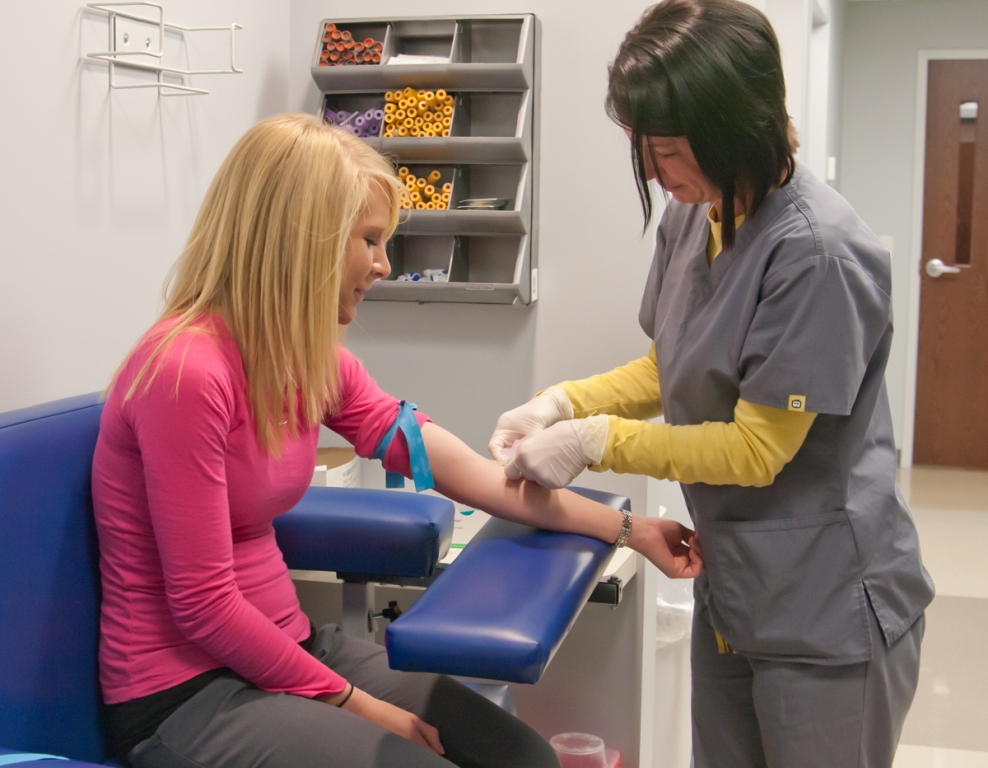
How to Become a Phlebotomist: Your Complete Guide to Starting a career in Blood Collection
Are you interested in a healthcare career that combines patient interaction, medical knowledge, and precision? If so, becoming a **phlebotomist** might be the perfect choice for you. Phlebotomists are vital members of medical teams, responsible for drawing blood samples to help diagnose and treat patients.This extensive guide will walk you through the steps to become a professional phlebotomist, covering educational requirements, certification, training, practical tips, and more. Let’s begin your journey toward a rewarding career in blood collection!
What Is a Phlebotomist?
A **phlebotomist** specializes in collecting blood samples from patients for laboratory testing, transfusions, donations, or research. They work in various settings such as hospitals, labs, clinics, blood donation centers, and mobile blood drives. Their role requires excellent communication skills, attention to detail, and a gentle, caring approach to ease patient anxiety.
Why Choose a Career as a Phlebotomist?
- High demand: Healthcare sectors continually seek qualified phlebotomists due to the ongoing need for blood tests and donations.
- Entry-level opportunities: Many programs offer quick pathways into the profession, often requiring less time than other healthcare careers.
- rewarding work: helping patients and supporting medical diagnostics can be vrey fulfilling.
- Competitive salary: Entry-level phlebotomists can earn a solid wage, with opportunities for advancement and specialization.
Getting Started: Education and Prerequisites
Basic Educational Requirements
Most employers require at least a high school diploma or equivalent (GED) to become a phlebotomist. Before enrolling in training programs, ensure you meet these basic prerequisites:
- High school diploma or GED
- Basic knowledge of biology and anatomy (helpful but not mandatory)
- Good communication and interpersonal skills
- Steady hand and good eyesight
Choosing the Right Training Program
Training is essential for developing the technical skills and confidence needed for blood collection. Look for programs that are accredited and offer practical experience. Types of training include:
- Career colleges and technical schools
- Community colleges
- Online courses combined with clinical practice
Course Content Typically Covered
- Anatomy and physiology specific to blood systems
- Infection control and safety procedures
- Venipuncture techniques
- Patient communication and handling difficult cases
- Legal and ethical considerations
Certification and Licensing
Why Certification Matters
While not always legally required, certification substantially boosts job prospects and credibility. Certified phlebotomists are often preferred by employers because they meet industry standards and demonstrate professionalism.
Popular Certification Options
| Certification Body | Eligibility | Exam Focus | Validity |
|---|---|---|---|
| American Society for Clinical Pathology (ASCP) | Training + 40+ hours clinical experience | Blood collection techniques, safety, ethics | 3 years (renewal required) |
| National Healthcareer Association (NHA) | High school diploma or GED, completed training | Skills, laws, safety protocols | 2 years (renewal required) |
| American Medical technologists (AMT) | Completed training program + clinical hours | Blood collection procedures, patient management | 3 years (renewal required) |
Steps to Obtain Certification
- Complete an accredited phlebotomy training program.
- Gain hands-on clinical experience during training.
- Prepare for the certification exam.
- Apply and schedule your exam through the certifying body.
- Pass the exam and obtain your certification.
Practical Tips for Aspiring phlebotomists
- Practice venipuncture techniques regularly to build confidence.
- Develop excellent communication skills to put patients at ease.
- Stay updated on safety protocols and infection control.
- Volunteer or seek internships for real-world experience.
- Join professional associations for networking and resources.
Benefits of Becoming a Certified Phlebotomist
- Better job opportunities and higher salaries.
- Increased credibility with employers and patients.
- Possibility to specialize in areas like pediatric or elderly blood collection.
- Pathway to advance into roles like laboratory technician or medical assistant.
First-Hand Experience: A Case Study
“After completing a certified phlebotomy program, I secured my first job at a local hospital. The hands-on training was invaluable, and the certification helped me stand out in the hiring process. Now, I enjoy working directly with patients daily and feel fulfilled knowing I contribute to their healthcare.” – Sarah,Certified Phlebotomist
Useful practical Tips for Success
- Maintain a calm demeanor to reduce patient anxiety.
- Use proper technique and equipment for efficient blood draws.
- Keep your workspace clean and organized.
- Keep learning about new tools and best practices in blood collection.
- Build good rapport with colleagues and patients alike.
Career Outlook and Salary Expectations
The demand for phlebotomists is projected to grow faster than average, driven by increased need for diagnostic tests and blood donations. According to the U.S. Bureau of Labor Statistics, the median annual wage for phlebotomists was approximately $37,000 in 2022, with opportunities for higher pay in specialized or supervisory roles.
Conclusion
Embarking on a career as a **phlebotomist** is an excellent choice for those interested in healthcare, patient interaction, and medical procedures. with the right education, proper certification, and practical experience, you can start a rewarding professional journey in blood collection. Remember to continually develop your skills, stay informed about industry standards, and maintain a compassionate approach to provide the best care for your patients. Take the first step today, and turn your interest in healthcare into a fulfilling career!
