how to Become a Phlebotomist: your Complete Guide to Starting a Health Care Career
Embarking on a career as a phlebotomist can be a rewarding path for those interested in healthcare, patient interaction, and medical diagnostics. As a vital member of the healthcare team, phlebotomists specialize in drawing blood samples, which play a crucial role in medical testing and diagnosis. If you’re considering this profession, this comprehensive guide will walk you through every step to become a certified phlebotomist, from education requirements to practical tips and career benefits.
What is a Phlebotomist?
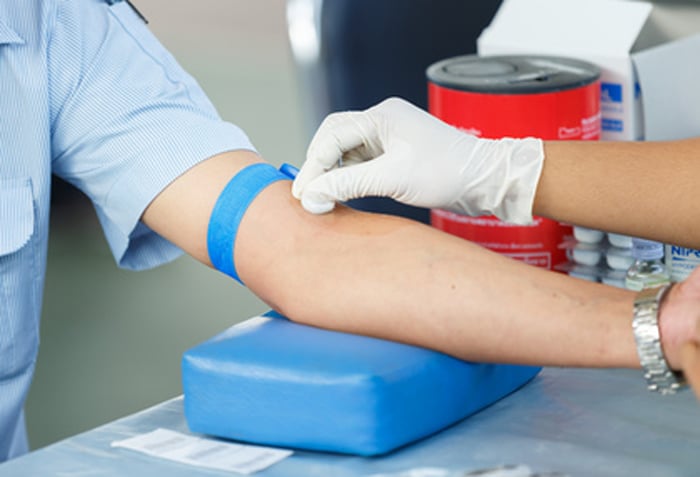
A phlebotomist is a healthcare professional trained specifically in the collection of blood samples from patients for laboratory testing, blood donation, or transfusions. They play a critical role in the healthcare system by ensuring blood is collected safely, efficiently, and with patient comfort in mind.
Why Pursue a Career as a Phlebotomist?
- Growing job opportunities: The demand for phlebotomists is projected to grow due to increasing healthcare needs.
- Rewarding patient interaction: Help patients in a compassionate manner during stressful times.
- -entry level pathway: Minimal educational prerequisites to start a healthcare career.
- Competitive salary: Earn a good income for a role that emphasizes skills and certification rather than extensive education.
- Flexible work environments: Opportunities in hospitals, clinics, labs, blood donation centers, and outpatient care.
Educational Requirements to Become a Phlebotomist
Most employers require aspiring phlebotomists to have a high school diploma or equivalent. Though, completing a formal phlebotomy training program substantially improves job prospects and is frequently enough required for certification. These programs are offered by community colleges, vocational schools, and online institutions.
Phlebotomy Training Program Curriculum
- Basic anatomy and physiology
- Blood collection techniques
- Patient identification and safety procedures
- Proper specimen handling
- Infection control and safety standards
- Legal and ethical considerations
Certification and Licensing for Phlebotomists
Certification is highly recommended and frequently enough mandated by employers and state regulations. It validates your skills and knowledge, making you a more competitive candidate. The most recognized certification organizations include:
- American Society for Clinical Pathology (ASCP)
- National Phlebotomy Association (NPA)
- American Medical Certification Association (AMCA)
- National Healthcareer association (NHA)
Steps to Obtain Certification
- Complete an accredited phlebotomy training program.
- Gather required documentation (training completion, work experience, etc.).
- Pass the certification exam administered by a recognized organization.
- Maintain certification through continuing education and renewal requirements.
certification Options Comparison
| Organization | Exam Fee | Recertification | Recognition |
|---|---|---|---|
| ASCP | $300 | Every 3 years with CEUs | Highly recognized nationally |
| NPA | $250 | Every 2 years | Well-respected in the field |
| NHA | $175 | Every 2 years with CEUs | Valuable certification for entry-level jobs |
Practical Tips for Becoming a Successful Phlebotomist
- Develop strong interpersonal skills: Compassion and patience are essential when working with nervous or ill patients.
- Practice your technical skills: Hands-on experience during training helps build confidence.
- Learn proper sterilization and safety protocols: Prevent infection and ensure patient safety.
- Stay updated on industry standards: Continuing education can open opportunities for advancement.
- Build a professional network: Join associations and attend industry events.
Real-Life Case Study: From Trainee to certified Phlebotomist
Meet sarah, a recent high school graduate who decided to pursue a career in healthcare. After completing a 120-hour phlebotomy certification program at her local community college, she passed the NHA certification exam. Sarah started working at a blood donation center,gaining valuable experience in patient interaction and blood collection. Over time, she enhanced her skills and earned additional certifications, leading to a 20% salary increase and new job opportunities in hospital labs.
The Benefits of Choosing a Career as a Phlebotomist
- Fast entry into the healthcare field with minimal educational barriers
- Strong job outlook and demand across medical settings
- Prospect to make a positive impact on patients’ lives
- Potential for specialization in areas like pediatric or forensic phlebotomy
- Flexible schedules, especially in outpatient or blood bank settings
Conclusion
Becoming a phlebotomist is a practical and rewarding career choice for those passionate about healthcare and helping others. By obtaining the necessary education, certification, and honing your interpersonal skills, you can embark on a successful journey in this vital medical profession. with excellent job prospects, competitive salaries, and the chance to contribute positively to patient health, starting a career as a phlebotomist could be your perfect next step in healthcare. begin your path today and take the first step toward a fulfilling medical career!
