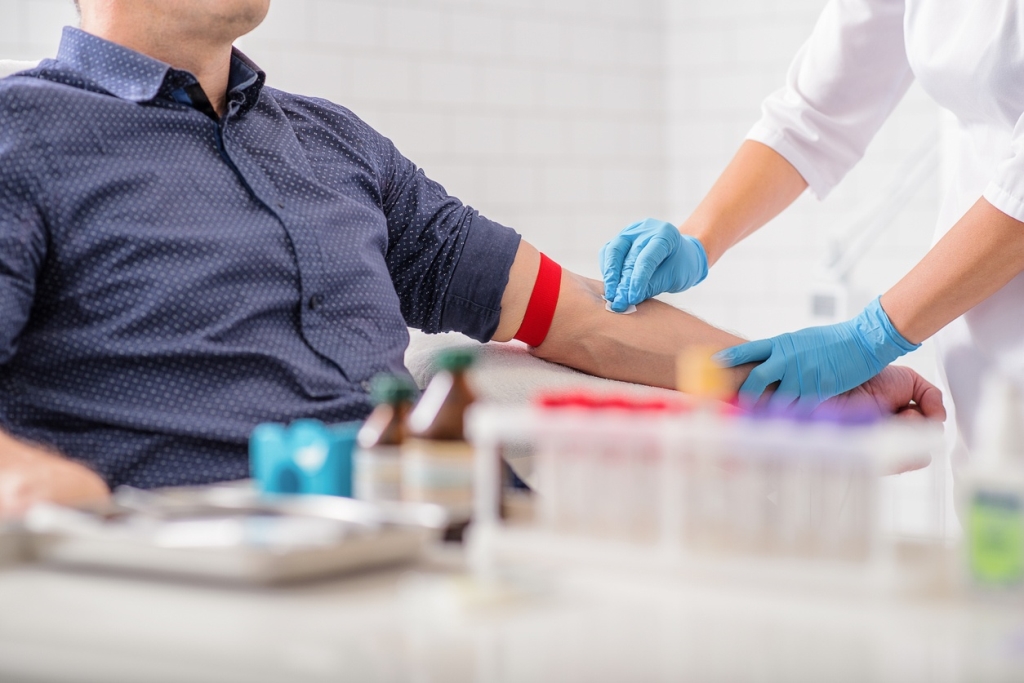
How to Become a Skilled Lab Phlebotomist: Essential Skills, Certification Tips, and Career Insights
Embarking on a career as a lab phlebotomist can be both rewarding and fulfilling, especially if you have a passion for healthcare and helping others. As a vital part of medical laboratories, phlebotomists are responsible for collecting blood samples, ensuring patient comfort, and maintaining high standards of safety and accuracy. If you’re considering becoming a skilled lab phlebotomist, this comprehensive guide covers everything you need to know-from essential skills and certification tips to career insights and practical advice. Let’s explore how you can turn this profession into a accomplished and satisfying career.
Understanding the Role of a Lab Phlebotomist
A lab phlebotomist is a trained healthcare professional specializing in drawing blood samples for laboratory testing. Thier responsibilities include patient readiness, specimen collection, proper labeling, and ensuring specimens are correctly transported for analysis. Accuracy, compassion, and attention to detail are critical qualities for success in this role. The demand for skilled phlebotomists is growing due to increased healthcare needs and expanding diagnostic services.
Essential Skills to Become a Proficient Lab Phlebotomist
Developing the right skills is foundational to becoming a skilled lab phlebotomist. Here’s a list of vital skills that will help you excel:
Technical Skills
- Proper blood draw techniques
- Knowledge of venipuncture and capillary puncture procedures
- Ability to handle and operate collection equipment and supplies
- Understanding of specimen labeling and handling protocols
- Knowledge of laboratory safety standards and infection control
Interpersonal Skills
- Strong communication abilities to explain procedures clearly
- Empathy and patience to comfort anxious patients
- Good listener skills to address patient concerns
- Professional demeanor and appearance
Organizational and Analytical Skills
- Attention to detail to avoid errors in sample collection and labeling
- Time management to handle multiple patients efficiently
- Ability to record and maintain accurate documentation
- Understanding of specimen processing and transportation requirements
Physical and Emotional Resilience
- Steadiness and precision during blood draws
- Ability to stand for extended periods
- Maintaining composure in challenging situations
Certification Tips and Requirements
Certification enhances credibility and opens doors to better job opportunities.Here’s how to navigate the certification process:
Prerequisites
- High school diploma or equivalent
- Completed a phlebotomy training program (can be through community colleges, technical schools, or hospitals)
- Minimum age requirement (usually 18 or older)
Popular Certification Options
| Certification | issuing Organization | Eligibility Criteria | Recertification |
|---|---|---|---|
| Certified Phlebotomy Technician (CPT) | American Society for Clinical Pathology (ASCP) | Completion of approved training + practical experience | Every 3 years |
| Phlebotomy technician Certification (CPT) | National Healthcareer Association (NHA) | High school diploma + training + exam | Every 2 years with CEUs |
| National Certified Phlebotomy Technician (NCPT) | American Medical Certification Association (AMCA) | Training completion + work experience | Every 3 years |
To succeed, prioritize preparing for certification exams by reviewing practice tests, understanding procedural standards, and gaining hands-on experience through internships or clinical practice.
Practical Tips for Aspiring Phlebotomists
- Gain hands-on experience: Volunteer or seek internships at local clinics or hospitals.
- keep learning: Attend workshops, webinars, and continuing education courses.
- Build patient rapport: Practice active listening and compassion to ease patient anxiety.
- Stay organized: Develop meticulous record-keeping habits.
- ensure safety: Follow universal precautions and personal protective equipment (PPE) guidelines.
Benefits of Being a Lab phlebotomist
The role offers numerous advantages, including:
- Growing job market with high demand
- Entry-level opportunities with minimal prior experience needed
- Competitive salaries and potential for advancement
- Opportunities for specialization in areas like pediatric or forensic phlebotomy
Career Pathways and Advancement Opportunities
Once you establish yourself as a skilled phlebotomist, several options exist for career growth, such as:
- Specializations: Pediatric, vein finders, or forensic phlebotomy
- Supervisory roles: Lead phlebotomist or supervisor
- Further education: Transition into medical assisting, nursing, or laboratory technician roles
- Teaching and training: Become a certified phlebotomy instructor
First-Hand Experience: case Study
Meet Sarah, who started as a volunteer in a local hospital’s lab. Through her dedication and learning essential skills, she obtained her certification, gained practical experience, and now works as a senior phlebotomist. Her journey underscores the importance of hands-on training, certification, and ongoing education for career success in phlebotomy.
conclusion
becoming a skilled lab phlebotomist requires a combination of technical skills, compassionate patient care, and proper certification. By investing in training, practicing your skills diligently, and adhering to safety standards, you can establish a rewarding career in the healthcare industry. With professionals in demand and opportunities for growth, now is an excellent time to pursue your goal of becoming a proficient lab phlebotomist. Start your journey today and contribute to healthcare excellence!
