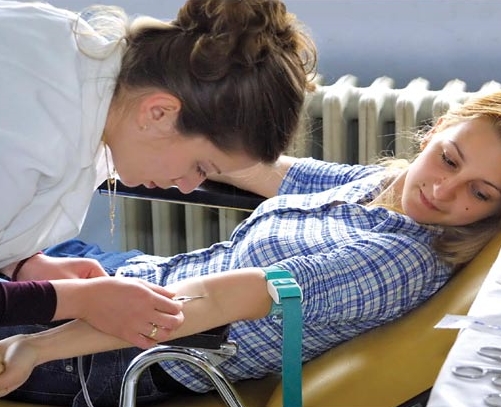
How too Obtain a Phlebotomy Certification: Step-by-Step Guide to Launch Your Medical Career
Starting a career in healthcare can be incredibly rewarding, and becoming a certified phlebotomist is a fantastic way to break into this growing industry. With a vital role in patient care, phlebotomists are responsible for drawing blood samples for testing, donations, and other medical purposes. If you’re interested in pursuing this path, understanding the process to obtain a phlebotomy certification is essential. In this article, we will walk you through the step-by-step process, highlight the benefits, share practical tips, and provide valuable insights to help you launch your medical career confidently.
Understanding the Importance of Phlebotomy Certification
Obtaining a phlebotomy certification is a crucial step that validates your skills and knowledge as a blood collection specialist. Certification not only enhances your credibility but also increases your job prospects and earning potential. Manny healthcare facilities require certified phlebotomists, making it an essential credential for career advancement in the medical field. Moreover, certification ensures you adhere to industry standards, safety protocols, and best practices, ultimately protecting patients and yourself.
Step-by-Step Guide to Get your Phlebotomy Certification
step 1: Meet Basic Eligibility Requirements
Before enrolling in a phlebotomy training program, ensure you meet the following prerequisites:
- High school diploma or GED certificate
- Minimum age requirement (usually 18 years or older)
- Background check and clean criminal record (requirements vary by state)
- Basic healthcare awareness (some programs prefer prior healthcare experience)
Step 2: Choose a Certified Phlebotomy Training Program
Select a reputable training program accredited by organizations like the National Accrediting Agency for Clinical Laboratory Sciences (NAACLS) or the American Society for Clinical pathology (ASCP). Thes programs typically include classroom instruction and hands-on training to develop your blood collection skills.
- Classroom lectures on anatomy, physiology, safety procedures
- Practicals on specimen collection, patient communication
- Preparation for certification exam
step 3: Complete Your Phlebotomy Training Course
Most programs range from 4 weeks to 6 months, depending on intensity and format.During this phase, you’ll learn about:
- Venipuncture techniques
- Capillary draws
- Patient interaction and care protocols
- Handling and transporting specimens
- Safety standards and infection control
Ensure your program includes practical training and lab experience, as hands-on skills are critical for certification eligibility.
Step 4: Accumulate Required Clinical Hours
Most certification agencies mandate a specific number of supervised blood draws, usually between 40 to 100 procedures. Record your clinical hours meticulously as you’ll need to submit proof during certification request.
Step 5: Prepare for and Pass the Certification Exam
Once your training and clinical hours are complete, register for the certification exam through organizations like the American Society for Clinical Pathology (ASCP) or National Phlebotomy Association (NPA). Exam formats include:
- Multiple-choice questions covering procedures, safety, anatomy
- Practical demonstrations (if applicable) via live or simulated tests
Prepare thoroughly by reviewing your coursework, practice exams, and industry guidelines to boost your confidence and ensure success.
Step 6: obtain your Phlebotomy Certification
after passing the exam, you’ll receive your certification certificate, which is valid for a specific period (usually 2-4 years). Remember to renew your certification before expiration to maintain your professional status.
benefits of Becoming a Certified Phlebotomist
| Benefit | Description |
|---|---|
| Increased Job Opportunities | Many healthcare facilities prefer or require certified phlebotomists, expanding employment options. |
| Higher Salary Potential | Certification frequently enough correlates with higher wages compared to non-certified counterparts. |
| Professional Credibility | Certification validates your skills and commitment to quality patient care. |
| Career Advancement | Open doors to specialized roles like supervisor,trainer,or laboratory assistant. |
Practical Tips for Aspiring Phlebotomists
- Choose a program accredited by recognized agencies
- Gain hands-on experience during training and clinicals
- Practice your venipuncture techniques regularly
- Develop excellent communication and patient care skills
- Stay updated with the latest industry standards and safety protocols
First-Hand Experience: Case Study
Meet Sarah, who transitioned from a medical assistant to a certified phlebotomist in just six months. By enrolling in an accredited training program, completing extensive clinical hours, and passing the certification exam, she secured a full-time position in a hospital. her story highlights the importance of dedication,practical experience,and certification in launching a triumphant medical career.
Conclusion
Embarking on a career as a certified phlebotomist is a promising choice for those interested in healthcare and patient interaction. By following this step-by-step guide-meeting eligibility requirements, choosing the right training program, completing clinical hours, passing the certification exam, and maintaining your credentials-you can set yourself up for a rewarding career in the medical field. Certifications not only enhance your professional credibility and earning potential but also open up continuous opportunities for growth within healthcare. Start your journey today and take the first step toward making a meaningful difference in patients’ lives!
Ready to Launch Your Medical Career?
If you’re interested in becoming a certified phlebotomist, research accredited training programs in your area, prepare diligently, and move forward confidently. Your healthcare career awaits!
