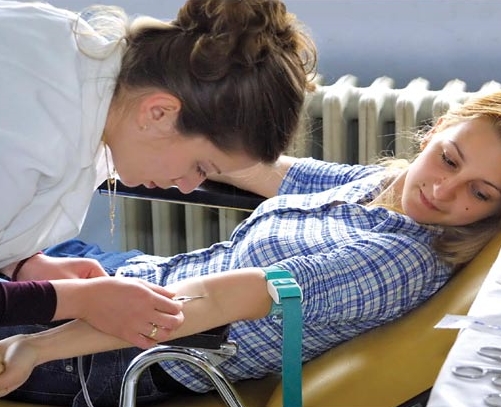
How to Obtain Your Phlebotomist Certification: A Complete Step-by-Step Guide for Aspiring Medical Professionals
Entering the healthcare field as a certified phlebotomist can be a rewarding career choice for those passionate about patient care and blood sample collection. If you’re wondering how to become a certified phlebotomist, you’ve come to the right place. This comprehensive guide will walk you through each step of the certification process, share practical tips, highlight benefits, and include real-world insights to help you kickstart your journey into this vital healthcare profession.
What Is a Phlebotomist and Why Is Certification critically important?
A phlebotomist is a trained healthcare professional responsible for collecting blood samples for testing, donation, or research purposes. Certification is essential becuase it validates your skills, increases employability, and often is a requirement by employers and state regulations.
Step 1: understand the Role and Job Market for Phlebotomists
Before diving into training, it’s important to understand what being a phlebotomist entails:
- Drawing blood samples with proper technique
- Ensuring patient comfort and safety
- Labeling and handling specimens appropriately
- Maintaining sterile techniques and following safety protocols
the demand for certified phlebotomists is growing due to an expanding healthcare industry and increased need for diagnostic testing.
Step 2: Meet Educational and Prerequisite Requirements
Most training programs and certification exams require applicants to meet certain educational criteria:
- High school diploma or GED – the basic educational requirement
- Age of at least 18 years
- Background check and health screenings (in some cases)
While some programs accept students with just a high school diploma, having some college coursework in health sciences can be beneficial.
Step 3: Enroll in a Recognized Phlebotomy Training Program
Choosing the right training program is crucial. Look for programs accredited by reputable organizations like the American Society for Clinical Pathology (ASCP) or the National Center for Competency Testing (NCCT). These programs combine classroom instruction with supervised practical experience.
| Training Program Type | Duration | Cost Range | Certification Offered |
|---|---|---|---|
| Community College Program | 4-12 weeks | $1,000 – $3,000 | Yes |
| Vocational School | 4-8 weeks | $1,200 – $2,800 | Yes |
| online course + Clinical Practice | Varies | $500 – $2,000 | Yes |
Ensure the program covers basic topics such as anatomy, blood collection techniques, safety protocols, and patient interaction skills.
step 4: Complete Practical and Classroom Training
Practical training is vital for building confidence and competence. You will gain hands-on experience in:
- Venipuncture techniques
- Capillary blood collection
- Proper specimen handling
- Patient interaction
Most programs include a specified number of supervised blood draws, ensuring you’re ready for certification exams and real-world work.
Step 5: Prepare for and Pass the Certification Exam
after completing training, you’ll need to pass a certification exam. Here are the most recognized certifying agencies:
- National Healthcareer Association (NHA) – Certified Phlebotomy Technician (CPT)
- american Society for Clinical Pathology (ASCP) – Phlebotomy Technician Certification
- National Center for Competency Testing (NCCT) – Certified Phlebotomy Technician (CPT)
Exam components generally include:
- Multiple-choice questions on blood collection techniques, safety, and infection control
- Practical presentation (if required by the certifying body)
Prepare thoroughly by reviewing your coursework, practicing blood draws, and taking practice exams. Many organizations offer study guides and prep courses.
Step 6: Obtain Your Certification and Licensure (If Required)
once you pass the exam, you’ll receive your certification credential. Even though not all states require licensure, some do. Check your state’s regulations regarding licensure or registration requirements for phlebotomists.
Maintain your certification by completing continuing education credits, wich varies by certifying body.
Benefits of Becoming a Certified Phlebotomist
- Higher employability and job security
- Possibility of higher wages
- Increased professional credibility
- Greater opportunities for advancement within healthcare
- Personal fulfillment in patient care roles
Practical Tips for Aspiring Phlebotomists
- Choose an accredited training program with hands-on practice
- Practice blood collection techniques regularly
- Develop good communication and patient management skills
- Stay updated on new safety protocols and certification requirements
- Build a network through internships or volunteering
Case Study: A Day in the Life of a Certified Phlebotomist
Meet Sarah, a certified phlebotomist working at a busy hospital. Her day starts with reviewing patient schedules, preparing equipment, and greeting patients. Throughout her shift, she performs venipunctures with care, ensuring patient comfort and safety. Her certification helps her confidently handle challenging draws and follow strict safety protocols.sarah’s dedication and certification open doors for career growth in clinical labs and mobile blood donation units.
Conclusion
Becoming a certified phlebotomist is an excellent pathway for those interested in healthcare, blood testing, and patient interaction.From meeting educational prerequisites to passing certification exams, each step is designed to prepare you for a successful career. Remember, proficiency, professionalism, and compassion are key. Follow this step-by-step guide, leverage practical tips, and stay committed to continuous learning to achieve your goal of becoming a certified phlebotomist and making a difference in healthcare.
Start Your Journey Today!
Ready to embark on your path to becoming a certified phlebotomist? Research accredited training programs in your area, prepare diligently, and take the first step towards a rewarding healthcare career!
