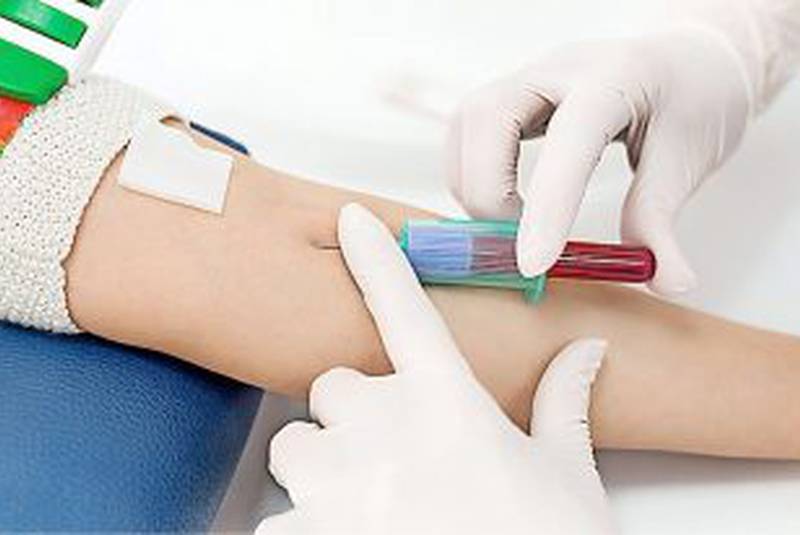
Top 10 Essential Phlebotomy Job Requirements for Aspiring Professionals in 2024
Embarking on a career in phlebotomy can be a rewarding pathway for those interested in healthcare, patient interaction, and diagnostic processes. As the demand for skilled phlebotomists continues to grow in 2024, understanding the key job requirements is vital for aspiring professionals aiming to start or advance their careers. This thorough guide covers the top 10 essential phlebotomy job requirements, practical tips, and insights to help you succeed in this dynamic healthcare field.
Introduction
Phlebotomy, the practice of drawing blood for clinical testing, transfusions, donations, or research, plays an essential role in healthcare. To excel in this career, candidates must meet specific job requirements, ranging from technical skills and certifications to interpersonal abilities. Meeting these requirements not only increases employability but also ensures high-quality patient care, safety, and compliance wiht healthcare standards. Whether you’re just entering the field or seeking to bolster your qualifications in 2024,understanding what employers look for can give you a competitive edge.
Why Is Meeting Phlebotomy Job Requirements Crucial?
Successfully fulfilling the essential job requirements ensures that phlebotomists can perform their duties efficiently, safely, and ethically. It fosters trust among patients, healthcare providers, and regulatory agencies. Additionally, keeping up with these standards can lead to better job opportunities, career advancement, and professional reputation within the healthcare community.
Top 10 Essential Phlebotomy Job Requirements for 2024
1. Proper Certification and Licensing
One of the most fundamental requirements is obtaining recognized certification in phlebotomy. Certification verifies that you have the necessary knowledge and skills to perform blood collection professionally.
- Common certifications include: Certified Phlebotomy Technician (CPT), Phlebotomy Technician Certification (PBT), or equivalent.
- State licensing: Some states require licensure or registration; verify local regulations.
2. Proven Technical Skills in Blood Collection
Competency in venipuncture, capillary puncture, and handling various blood collection equipment is essential. Mastery of these skills ensures patient comfort and specimen integrity.
- Inserting needles accurately and safely
- Properly labeling and handling specimens
- Knowledge of blood collection order and site selection
3. Knowledge of Healthcare and Safety Protocols
Adherence to infection control standards, OSHA guidelines, and safety procedures minimizes risks for both patients and healthcare workers.
- Proper PPE usage
- Disposal of sharps and biohazard materials
- Understanding of patient privacy laws (HIPAA)
4.Excellent Interpersonal and Communication Skills
Phlebotomists must comfort and communicate effectively with diverse patient populations, including anxious or uncooperative individuals.
- Active listening and empathy
- Clear instructions and patient education
- De-escalation of tense situations
5. Physical Stamina and Manual Dexterity
This role often requires standing for long periods, fine motor skills, and steady hands to perform triumphant draws.
- Good hand-eye coordination
- Physical ability to move and position patients properly
6. Attention to Detail and Accuracy
Ensuring correct specimen labeling and documentation prevents errors that could impact patient diagnosis and treatment.
| Requirement | Importance |
|---|---|
| accurate Labeling | Prevents mix-ups and lab errors |
| Proper Documentation | Ensures compliance and traceability |
7. Ability to Follow Established Protocols
Strict adherence to procedures ensures safety and quality in blood collection practices. Familiarity with institutional protocols is crucial for compliance.
8. Flexibility and Adaptability
The healthcare habitat can be unpredictable. Being adaptable to different work settings, patient needs, and technological updates is valuable.
9. Educational Background and Continuing education
A high school diploma or equivalent is typically required; additional coursework or associate degrees in healthcare can offer advantages.
- Participation in ongoing training or workshops
- Staying updated with latest industry standards
10. Positive Attitude and Professionalism
Maintaining professionalism, compassion, and a positive attitude enhances patient experience and professional reputation.
Additional Insights: Benefits & practical Tips
Benefits of Meeting Job Requirements
- Better job prospects and recognition
- Enhanced patient safety and satisfaction
- Opportunities for career advancement in healthcare
Practical tips to Fulfill and Exceed Requirements
- Obtain accredited certification from recognized bodies like the ASCP or NASSP
- Practice blood collection techniques regularly and seek feedback
- Stay updated on new safety protocols and industry standards
- Develop communication and patient care skills through workshops or on-the-job experience
- Maintain physical health and flexibility through regular activity
Case Study: Career Progression in Phlebotomy
Jane started as a certified phlebotomy technician in a community clinic. By acquiring additional certifications, such as advanced venipuncture and infection control, she became a lead technician within two years. Her dedication to continuing education and professional growth exemplifies how meeting and exceeding job requirements can lead to career progression in the healthcare field.
First-Hand Experience: Tips from Successful Phlebotomists
“Always prioritize patient comfort and safety. Proper training and certification have been the foundation of my successful career.” - Mark, Senior Phlebotomist
conclusion
As healthcare continues to evolve in 2024, aspiring phlebotomists must understand and meet the essential job requirements to succeed. From obtaining proper certification and honing technical skills to demonstrating professionalism and adaptability, these requirements lay the groundwork for a rewarding and stable career in phlebotomy. Investing in your education, practicing diligently, and maintaining a compassionate approach will set you apart in the competitive healthcare landscape and help you build a foundation for long-term success.
Ready to start your journey in phlebotomy? Equip yourself with the right knowledge and skills, and embrace the opportunities ahead!
Learn More About Becoming a Certified Phlebotomist
