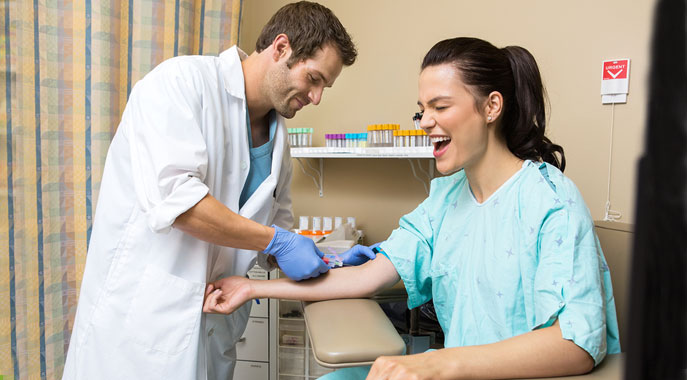
Top Places to Work as a phlebotomist: Your Guide to Exciting Career Opportunities
if you’re passionate about healthcare and have an eye for detail, a career as a phlebotomist can be both rewarding and fulfilling. these skilled professionals play a vital role in diagnostics, patient care, and medical research. But where are the best places to work as a phlebotomist? This comprehensive guide explores top workplaces, key benefits, practical tips, and real-life success stories to help you navigate your career path with confidence.
Why Choosing the Right Workplace Matters
As a phlebotomist, your work environment influences your job satisfaction, growth opportunities, and overall career trajectory.Whether you prefer a fast-paced hospital setting or a community clinic, understanding your options can help you find a workplace that aligns with your goals and lifestyle.
Top Places to Work as a Phlebotomist
1.Hospitals and Healthcare Systems
hospitals are among the most sought-after workplaces for phlebotomists due to their dynamic environment and comprehensive medical services. Working in a hospital allows for exposure to diverse patient populations and advanced medical technologies.
- Advantages: Competitive pay, opportunities for specialization, and career advancement.
- Popular Hospitals: Mayo Clinic,Cleveland Clinic,Johns Hopkins Hospital.
2. Medical and Diagnostic Laboratories
Laboratories like Quest Diagnostics and LabCorp are major employers for phlebotomists, focusing on sample collection and analysis. These settings frequently enough offer more predictable schedules compared to hospital shifts.
- Advantages: Routine hours, less emergency stress, steady workflow.
- best for: Detail-oriented professionals who prefer a controlled environment.
3. Primary Care and Family Practice Clinics
Community clinics and family practices provide personalized patient care and frequently enough serve underserved populations. Phlebotomists working here tend to build long-term relationships with patients.
- Advantages: Close-knit team, community impact, flexible shifts.
4. Urgent Care Centers and Walk-in Clinics
These swift-service clinics focus on immediate lab testing and diagnostic services. Thay offer a fast-paced setting ideal for phlebotomists who thrive under pressure.
- Advantages: Shorter shifts, dynamic environment, high patient turnover.
5. Outpatient surgical Centers and Specialty Clinics
Specialty clinics,such as cardiology or endocrinology centers,require precise blood testing. Working here allows phlebotomists to develop niche expertise.
- Advantages: Focused work, potential for advanced training.
Other Notable Workplaces for Phlebotomists
| Workplace Type | Pros | Cons |
|---|---|---|
| Rehabilitation Centers | Smaller patient load, personalized care | Limited career growth |
| Pharmaceutical Companies (Research Labs) | Innovative environment, research opportunities | Less patient interaction |
| Home Healthcare Services | Flexible hours, one-on-one patient care | Variable workload, travel demands |
Benefits of Working in Top Phlebotomy Places
- Competitive Salaries: Larger healthcare institutions typically offer better pay scales.
- Career Growth: Opportunities for specialization, certification, and leadership roles.
- Work Environment: Access to modern technology, supportive teams, and continuing education.
- Job Stability: Healthcare remains essential, providing job security even during economic fluctuations.
Practical Tips for Landing a Job as a Phlebotomist
- Get Certified: Ensure you have the relevant phlebotomy certification (e.g., NHA, ASCP).
- Build Experience: Volunteer or seek internships at local clinics or hospitals.
- Craft a Strong Resume: Highlight your technical skills and patient care experience.
- Network: Connect with healthcare professionals and join professional associations.
- Prepare for Interviews: practice scenario-based questions and demonstrate your interpersonal skills.
Case Study: Success Story of a Phlebotomist
Meet Sarah, who started her career in a small outpatient clinic. Through dedication and continuous learning, she specialized in pediatric phlebotomy and later moved to a top-tier hospital. her experience highlights how the right workplace environment and professional development can propel your career forward.
- Key Factors in Her Success: Certification, networking, and a passion for patient care.
First-Hand Experience: Insights from a Working Phlebotomist
“Working in a busy hospital has been both challenging and rewarding. I love the variety of patients and the opportunity to learn from experienced colleagues. The key is maintaining professionalism and compassion in every interaction,” shares Emily, a dedicated phlebotomist.
conclusion
Choosing the right place to work as a phlebotomist can considerably influence your career satisfaction and growth. Whether you prefer the fast-paced environment of a hospital, the steady rhythm of a diagnostic lab, or community-focused clinics, there are plenty of exciting opportunities out there. Focus on acquiring the necessary certifications, gaining hands-on experience, and networking to unlock the best positions. With dedication and passion, your career as a phlebotomist can be both rewarding and prosperous. Start exploring your options today and take the first step towards your ideal healthcare role!
