Master On-The-Job Phlebotomy Training: Your Pathway to Certified Lab Skills
If you’re aspiring to become a skilled phlebotomist, mastering on-the-job training can be a game-changer. This hands-on approach not only equips you with vital lab skills but also accelerates your career in the medical field. In this complete guide, we’ll explore the benefits of on-the-job phlebotomy training, practical tips, and how it can lead to certification and professional growth.
What Is On-The-Job Phlebotomy Training?
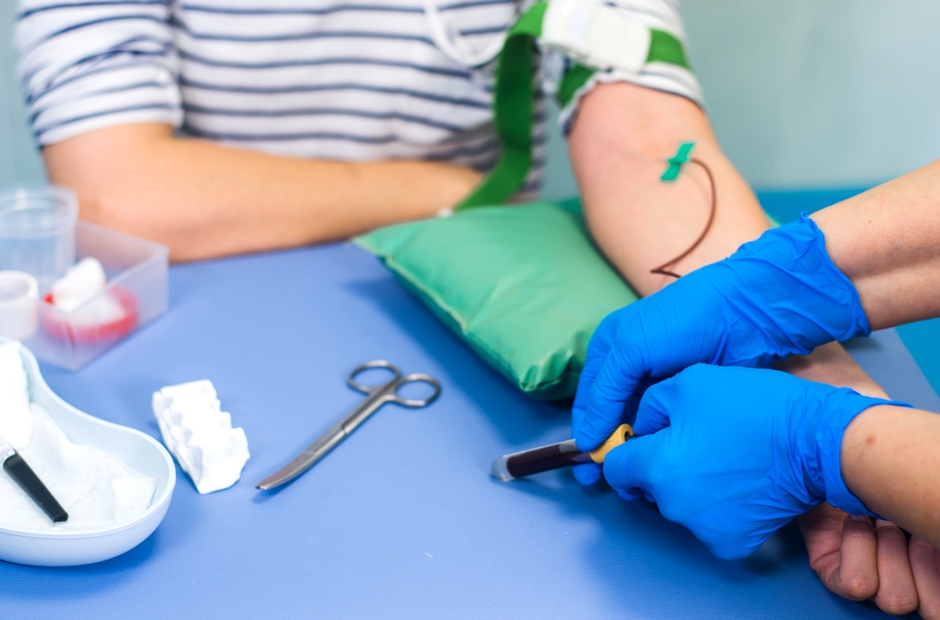
On-the-job phlebotomy training involves learning and practicing venipuncture and specimen collection directly within a healthcare setting, under supervision. Unlike classroom-based courses, this training emphasizes hands-on experience, real-world scenarios, and immediate submission of skills. It’s often offered by hospitals, clinics, or laboratories looking to train effective and confident phlebotomists.
Benefits and Practical Tips for mastering On-The-Job Phlebotomy
Benefits of On-The-Job Training
- Real-World Experience: Gain practical skills by working with actual patients and samples.
- Accelerated Learning: Faster skill acquisition compared to traditional classroom methods.
- Networking Opportunities: Build relationships with healthcare professionals and labs.
- Certification Readiness: Practical experience prepares you for certification exams.
- Career Advancement: On-the-job skills often translate to higher employability and salary potential.
Practical Tips for Success
- Seek Mentorship: Find experienced phlebotomists to guide you and provide feedback.
- Practise Consistently: The more you perform venipunctures, the more confident you’ll become.
- Prioritize Patient Comfort: Approach each procedure with empathy and professionalism.
- Follow Safety Protocols: Adhere to infection control standards to ensure safety.
- Ask Questions: Clarify doubts promptly to learn best practices.
Core Skills Developed During On-The-Job Phlebotomy Training
While on-the-job training focuses on practical skills, it also covers essential knowledge areas crucial for certification and clinical excellence. Here are key skills you will develop:
- Venipuncture techniques
- Proper sample labeling and handling
- patient identification and dialog
- Blood specimen collection from various patient populations
- Infection control and safety procedures
- Equipment maintenance and troubleshooting
Case Study: Success Story of On-The-Job Phlebotomy Training
Meet Sarah: A dedicated healthcare assistant who transitioned into a certified phlebotomist through onsite training. SarahS journey highlights how practical experience accelerates competence and certification readiness.
| Stage | Activities | Outcome |
|---|---|---|
| Initial Observation | shadowed experienced phlebotomists | Gained confidence and understanding of procedures |
| Hands-On Practice | Performed venipuncture under supervision | Improved technique and patient interaction skills |
| Certification Readiness | Studied for certification exam with practical insights | Passed exam and obtained certification |
Pathway from On-The-Job Training to Certification
While on-the-job training provides invaluable hands-on experience, obtaining formal certification further validates your skills and enhances employment prospects. Here’s how to take the next step:
- meet the eligibility criteria set by recognized certifying bodies (e.g., ASCP, NCCT).
- Complete any required coursework or prerequisites.
- Register and prepare for the certification exam-many programs include practice tests and study guides.
- Pass the certification exam to become a Certified Phlebotomy Technician (CPT).
- Maintain certification through continuing education and periodic renewal.
