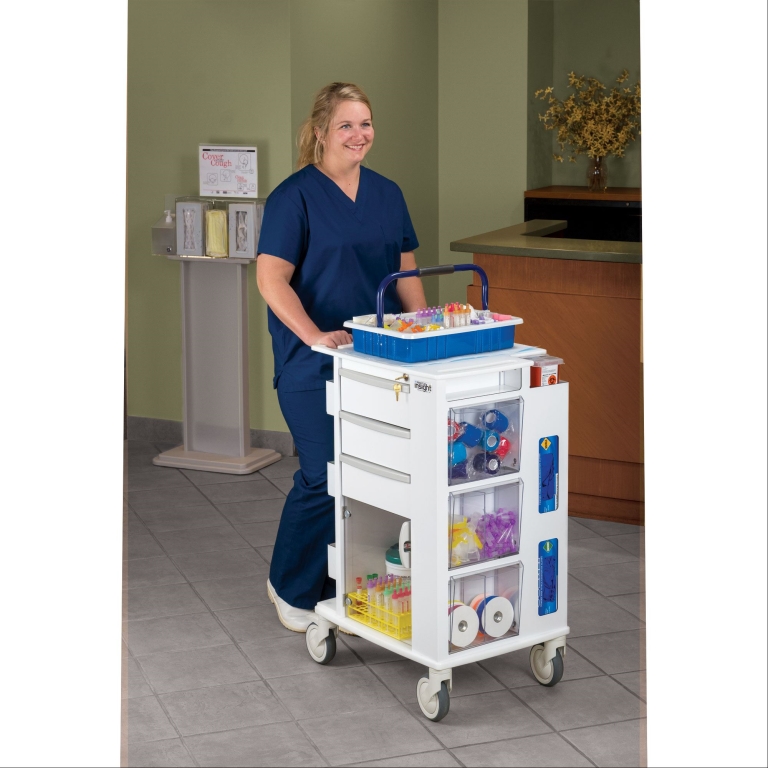
Mastering Phlebotomy: Essential Tips & Tricks for Beginners (Phlebotomy For Dummies Guide)
Getting started in phlebotomy can be both exciting and challenging. As a vital part of healthcare, phlebotomy involves drawing blood samples from patients for laboratory testing, diagnosis, and treatment. Whether you are a beginner or looking to improve your skills, mastering the art of phlebotomy requires understanding best practices, tips, and practical tricks. This comprehensive guide, inspired by the “phlebotomy For Dummies” approach, aims to provide valuable insights to ensure your success in this rewarding medical discipline.
Benefits of Becoming a Pro in Phlebotomy
- High Demand: Skilled phlebotomists are sought after in hospitals, clinics, and laboratories.
- Good Earning Potential: Competitive salaries and opportunities for advancement.
- Impactful Work: contribute directly to patient care and diagnosis.
- Foundation for Medical Careers: Great stepping stone into broader healthcare professions.
Mastering Phlebotomy: Essential Tips & Tricks for Beginners
1. Understand the Basics of Phlebotomy
Before diving into practical skills, it’s crucial to understand the fundamentals of phlebotomy. This includes knowlege of human anatomy, blood collection techniques, and safety protocols.
- Learn Anatomy: Focus on veins typically used for blood draws, such as the median cubital vein.
- Know the Equipment: Familiarize yourself with needles, vacutainers, tourniquets, alcohol swabs, and bandages.
- Understand Patient Care: Handle patients with empathy, communicate effectively, and ensure their comfort.
2. Set Up Your Workspace Properly
A clean, organized workspace ensures safety and efficiency. Prepare all necessary supplies before starting and adhere to infection control standards.
- Use sterile gloves and disinfect surfaces.
- Arrange equipment strategically for rapid access.
- Label samples clearly to prevent mix-ups.
3. Master the Technique of Blood Collection
Proper technique minimizes discomfort for the patient and ensures sample integrity.
- Apply Tourniquet Correctly: Tight enough to engorge veins, but not so tight as to cause discomfort.
- Choose the Right Vein: The median cubital vein is preferred for its size and accessibility.
- Insert the Needle at the Correct Angle: Usually about 15-30 degrees.
- Fill the Tube smoothly: Avoid excessive force or negative pressure beyond recommended limits.
- withdraw and Apply Pressure: Remove the needle carefully and press the site to stop bleeding.
4. Safety and Infection Control
Ensuring safety is paramount in phlebotomy.Follow these tips to protect yourself and your patients.
- always wear gloves and protective gear.
- Dispose of needles instantly in sharps containers.
- use single-use equipment to prevent cross-contamination.
- Follow adverse event protocols diligently.
5. Practical Tips & Tricks for Beginners
- Stay Relaxed: Anxiety can make veins harder to find and increase patient discomfort.
- Ask for Feedback: Communicate with patients and seek feedback to improve your technique.
- Practice on a Model: Use simulation kits or practice on volunteers to build confidence.
- Keep Learning: Stay updated on best practices and new equipment.
6. Troubleshooting Common Challenges
| issue | Solution |
|---|---|
| Collapsed Vein | Try a different vein or loosen tourniquet; use warm compresses to engorge veins. |
| Slow Blood Flow | Adjust needle angle or reposition; ensure tourniquet isn’t too tight. |
| Patient Faints | Stop immediately, provide support, and monitor; reassure the patient. |
7. First-Hand Experience & Case Studies
Many beginners find that gaining firsthand experience substantially boosts their confidence and skills. Here’s a quick case study from a new phlebotomist:
“During my first week, I struggled with finding veins, and a patient was nervous. I practiced on a silicone arm, learned to warm up the area, and improved my grip. The second attempt was smooth, and the patient appreciated my patience. It was a great learning experience!”
Additional Resources and Practical Tips
- Attend hands-on training sessions.
- Watch tutorial videos from reputable healthcare training platforms.
- seek mentorship from experienced phlebotomists.
Conclusion
Mastering phlebotomy is a rewarding journey that combines technical skill, patient dialog, and safety awareness.Whether you’re just starting or refining your techniques, the essential tips and tricks outlined in this guide will help you become a confident and competent phlebotomist. Remember, practice, patience, and continuous learning are key to excelling in this vital healthcare profession. embrace each experience as a chance to improve, and you’ll unlock a successful path in the world of phlebotomy.
