Medical Assistant And Phlebotomy: A Comprehensive Guide
Introduction:
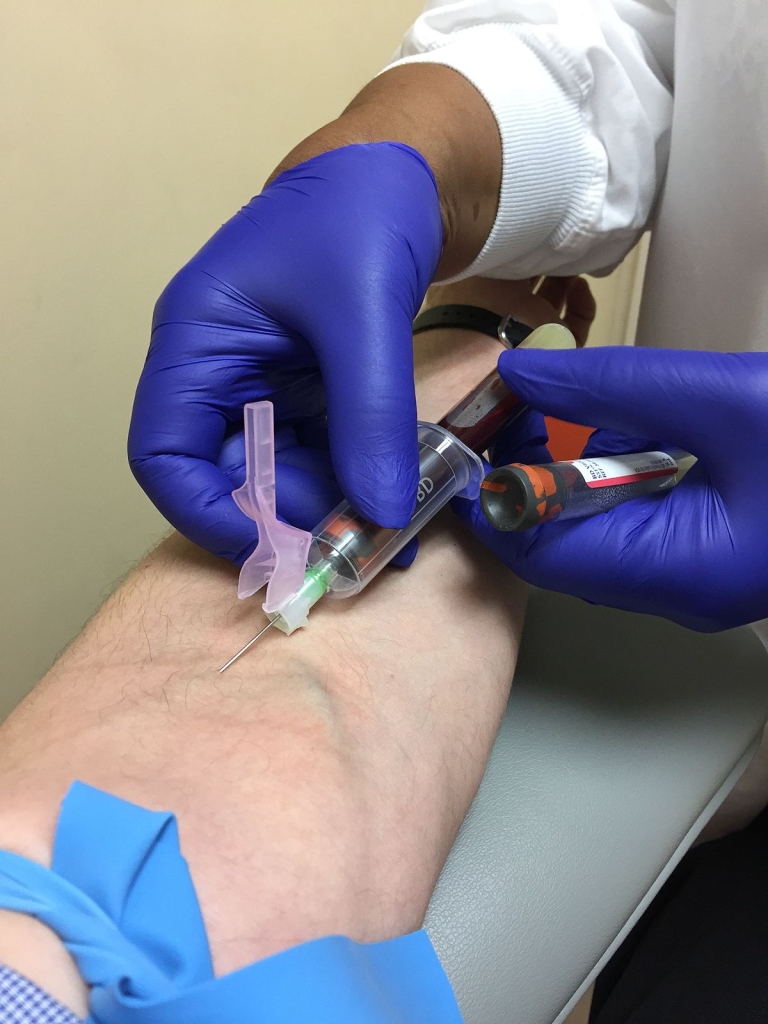
Medical assistants play a vital role in healthcare settings by providing support to physicians, nurses, and other healthcare professionals. One common task that medical assistants often perform is phlebotomy, which involves drawing blood from patients for diagnostic testing or blood donation. In this article, we will delve into the roles of medical assistants and phlebotomists, their training requirements, career prospects, and how to excel in these fields.
Roles of Medical Assistants and Phlebotomists:
Medical assistants are multifaceted healthcare professionals who perform administrative and clinical tasks. They may schedule appointments, take patients’ vital signs, assist with minor procedures, and perform phlebotomy. Phlebotomists, on the other hand, are specialized healthcare professionals who focus solely on drawing blood from patients. They are trained to follow strict protocols to ensure patient safety and accurate blood collection.
Training Requirements for Medical Assistants and Phlebotomists:
For individuals interested in pursuing a career as a medical assistant, most employers require completion of a medical assisting program from an accredited institution. These programs typically include coursework in medical terminology, anatomy and physiology, and clinical procedures. Some medical assistants also receive on-the-job training to learn specific tasks required by their employer.
Phlebotomists typically complete a phlebotomy training program, which can range from a few weeks to several months in length. These programs cover topics such as venipuncture techniques, safety protocols, and infection control. Additionally, phlebotomists may need to obtain certification from a recognized organization, such as the National Healthcareer Association (NHA) or the American Society for Clinical Pathology (ASCP).
Career Prospects for Medical Assistants and Phlebotomists:
Both medical assistants and phlebotomists are in high demand in the healthcare industry. According to the Bureau of Labor Statistics, employment of medical assistants is projected to grow 19% from 2019 to 2029, much faster than the average for all occupations. Phlebotomists can also expect strong job prospects, with a projected growth rate of 17% over the same period.
Benefits and Practical Tips for Success:
– Strong communication skills are essential for both medical assistants and phlebotomists, as they interact with patients on a daily basis.
– Attention to detail is crucial when performing phlebotomy to ensure accurate blood collection and labeling.
– Staying up-to-date on the latest healthcare regulations and technology can help advance your career in these fields.
Case Study: Sarah, a Medical Assistant:
Sarah graduated from a medical assisting program and began working in a busy primary care clinic. She excelled in her role by demonstrating strong organizational skills, attention to detail, and empathy towards patients. After gaining experience in phlebotomy, Sarah decided to pursue additional training to become a certified phlebotomist. This certification opened up new opportunities for Sarah, allowing her to work in specialized healthcare settings such as laboratories and blood donation centers.
First-Hand Experience: John, a Phlebotomist:
John always had a passion for helping others and decided to become a phlebotomist after completing a phlebotomy training program. He found fulfillment in his role by providing a comforting and professional experience for patients during blood draws. John’s attention to detail and ability to put patients at ease made him a valuable member of the healthcare team.
Conclusion:
medical assistants and phlebotomists play essential roles in the healthcare industry. By completing the necessary training and gaining experience in these fields, individuals can enjoy rewarding careers with strong job prospects. Strong communication skills, attention to detail, and a passion for helping others are key qualities that can lead to success in these professions. Whether you are considering a career as a medical assistant or phlebotomist, know that your work will make a significant impact on the lives of patients and contribute to the overall quality of healthcare delivery.
By following the information provided in this article, aspiring medical assistants and phlebotomists can embark on a fulfilling career path with endless opportunities for growth and advancement.
