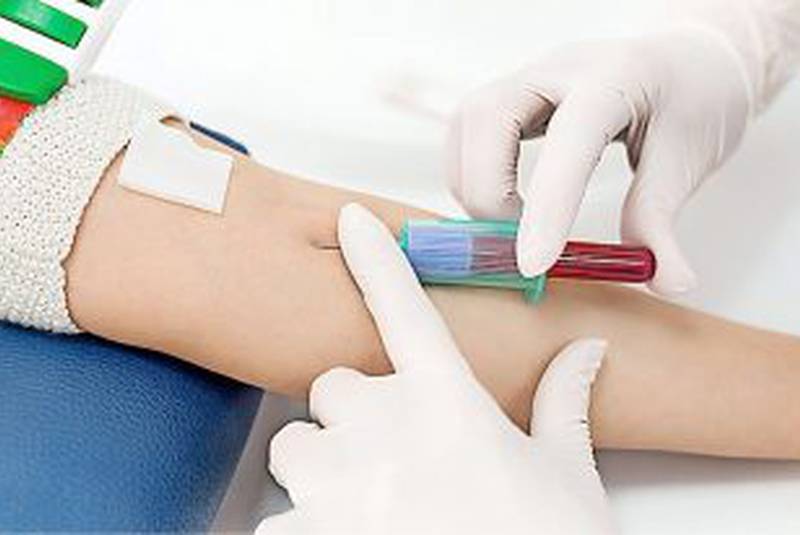
Essential Guide to Phlebotomy Test Tubes: Types, Uses, and Best Practices
Phlebotomy test tubes are integral to clinical laboratories and healthcare settings, playing a crucial role in diagnosing, monitoring, and managing various health conditions. Whether you’re a healthcare professional, a medical student, or someone curious about medical procedures, understanding the different types of blood collection tubes and their specific uses is essential for ensuring accurate test results and patient safety.In this comprehensive guide, we’ll explore the various types of phlebotomy test tubes, their applications, best practices for handling them, and practical tips to optimize blood collection procedures.
why Understanding Phlebotomy Test Tubes Matters
Accurate blood testing begins with proper collection techniques, including selecting the correct test tube. Using the wrong tube can result in sample contamination, improper clotting, or unreliable results, which might affect patient diagnosis and treatment plans. Therefore, healthcare professionals must be well-versed in the types and uses of test tubes to uphold high standards of laboratory accuracy and patient care.
Types of Phlebotomy Test Tubes
Test tubes come in various sizes, materials, and configurations, each designed for specific tests. Here, we’ll delve into the most common types of blood collection tubes, their features, and their typical uses.
Based on Additives
Collection tubes are frequently enough classified by their additives, which influence how the blood sample is processed and analyzed.
| Type of Tube | Additive | Primary Uses |
|---|---|---|
| No Additive | none | Serum tests like cholesterol, hormones, and serology |
| clot Activator | Silica or Thixotropic gel | Serum separation for chemistry panels |
| blood Culture Bottles | broth media | Detecting bloodstream infections |
| Anticoagulants | EDTA, citrate, heparin | Whole blood, plasma tests, hematology, coagulation studies |
Common Types of Blood Collection tubes
- Serum Tubes (Red Top): No additives, used for serum tests.
- SST Tubes (Serum Separator Tubes): Contain clot activator and gel separator for serum.
- Plasma tubes: Contain anticoagulants like EDTA, citrate, or heparin for plasma separation.
- Blood Culture Bottles: For microbial testing, contain media to grow bacteria/fungi.
Uses of Phlebotomy Test Tubes
Different types of test tubes serve specific purposes in diagnostic testing:
- Serum collection: Used for testing hormones, lipids, and serology.
- Plasma Tests: Employed in coagulation studies and plasma biochemistry.
- Blood Culture Testing: Detecting infections from bloodstream bacteria or fungi.
- Blood Donation and Transfusions: special tubes designed for blood banking.
Best Practices for Handling Phlebotomy Test Tubes
Proper handling of blood collection tubes ensures sample integrity and patient safety. Follow these best practices:
- Identify Patients Carefully: Always verify patient identity before collection.
- use Correct Tube Size and type: Select the appropriate test tube based on the tests ordered.
- Follow Proper Collection Technique: Use appropriate needle gauge,apply tourniquet correctly,and avoid hemolysis.
- Invert Tubes Gently: Mix anticoagulant tubes gently to prevent clotting or hemolysis.
- Label Tubes Immediately: Clearly label tubes with patient data to prevent mix-ups.
- Follow Safety Precautions: Use gloves, dispose of sharps properly, and adhere to OSHA standards.
Practical Tips and Benefits of Using Proper Test Tubes
Implementing the right practices in blood collection offers numerous benefits:
- Ensures the accuracy and reliability of test results.
- Reduces the risk of sample rejection or redraws.
- Prevents contamination and preserves sample stability.
- Enhances patient comfort and safety.
Tips for best results:
- Always check expiration dates of test tubes before use.
- Use appropriate tube types for specific tests to prevent cross-reactivity.
- Store tubes at recommended temperatures to maintain sample integrity.
Case Study: Optimizing blood Collection in a Clinical Laboratory
In a busy hospital, staff noticed frequent sample rejection due to clotting in EDTA tubes. After reviewing procedures, they adopted the following improvements:
- Trained staff on proper inversion techniques.
- Specified clear labeling and storage protocols.
- Switching to high-quality tubes with better anticoagulant stability.
Results showed a 30% reduction in sample rejection rates and improved turnaround times for test results. This case highlights the importance of using the correct type of test tubes and following best practices.
First-Hand Experience: The Role of Phlebotomy Test Tubes in Vital Diagnostics
As a seasoned phlebotomist, I’ve seen firsthand how choosing the right blood collection tube makes all the difference. Proper mixing of anticoagulant tubes, prompt labeling, and gentle handling can boost diagnostic accuracy and ensure patient safety. My advice? Always stay updated on the latest tube types and collection protocols to deliver the best care possible.
Conclusion
Understanding the various types of phlebotomy test tubes, their specific uses, and best handling practices is vital for healthcare professionals seeking accurate diagnostic outcomes. Proper selection, handling, and knowledge of blood collection tubes not only improve laboratory efficiency but also enhance patient safety and confidence. Keep informed of new developments, adhere to safety standards, and always prioritize sample integrity to achieve the best results in clinical testing.
