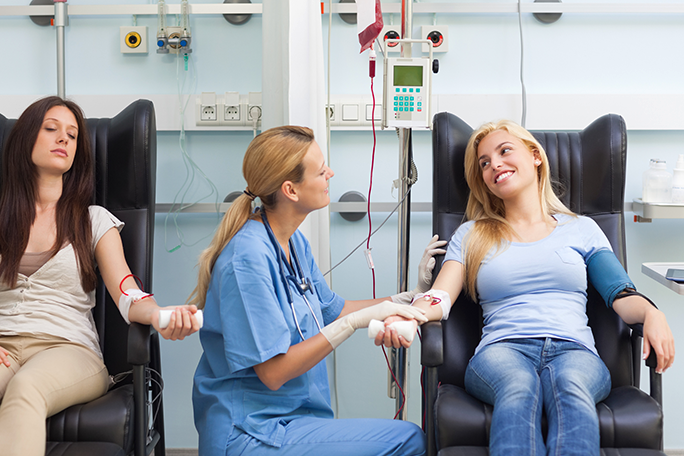
Essential Requirements to Become a Phlebotomist: Your Guide to Starting a Career in Blood Collection
Are you interested in pursuing a rewarding career in healthcare that involves helping people directly? Becoming a phlebotomist might be the perfect fit for you. As a vital member of medical teams,phlebotomists specialize in drawing blood for tests,donations,and research. This comprehensive guide will walk you through the essential requirements to become a phlebotomist, including certifications, skills, educational paths, and practical tips to launch your blood collection career effectively.
Introduction
Blood collection is an essential aspect of modern healthcare, vital for diagnostics, treatments, and research.A career as a phlebotomist offers stability, growth opportunities, and the chance to make a difference in patients’ lives.However, entering this healthcare niche requires specific qualifications, training, and skills. In this article, we’ll explore what it takes to become a certified phlebotomist, the prerequisites, and how to prepare yourself for a prosperous career in blood collection.
Educational Qualifications Required
High School Diploma or Equivalent
The foundational educational requirement to become a phlebotomist is a high school diploma or GED. This basic qualification ensures you have the necessary literacy and numerical skills to undertake further training and certification.
Post-Secondary Education Options
While not always mandatory, obtaining post-secondary education can enhance your prospects. Some community colleges and vocational schools offer phlebotomy training programs, which are highly recommended for practical skills growth.
Recommended Courses and Skills
- biology and Anatomy
- Medical Terminology
- Patient Care Techniques
- Basic Laboratory Skills
Certification Requirements
why Certification Matters
Certification is often a requirement for employment as a professional phlebotomist, and it validates your skills and knowledge. Most employers prefer or mandate certified phlebotomists, especially in hospitals, clinics, and diagnostic laboratories.
Popular Phlebotomy Certification Programs
- American Society for Clinical Pathology (ASCP)
- National Healthcareer Association (NHA)
- American Medical Technologists (AMT)
Certification Eligibility Criteria
| Criterion | Details |
|---|---|
| Training hours | typically 40-120 hours |
| Practical experience | Must complete hands-on blood collection procedures |
| Exam | Pass the certification exam offered by certifying bodies |
| Background check | often required for credentialing and employment |
Essential Skills and Qualities for Phlebotomists
Beyond formal education and certification, developing key skills is crucial for success in blood collection. here are some attributes and skills every aspiring phlebotomist should cultivate:
- Attention to detail: For accurate blood collection and labeling.
- Good interaction skills: To explain procedures and comfort patients.
- Steady hand and dexterity: For safe and precise blood draws.
- Compassion and patience: To ease patient anxiety and build trust.
- Physical stamina: The ability to stand for long periods and handle physically demanding tasks.
Practical Tips to Become a Successful Phlebotomist
- Enroll in accredited training programs: Quality training provides practical skills and certification prep.
- Gain hands-on experience: Volunteer or secure internships to build confidence.
- Pass the certification exam: Invest in study materials and practice exams.
- Develop your interpersonal skills: interacting with diverse patients enhances your work quality.
- Stay updated with industry standards: Regularly review guidelines from organizations like CLSI or OSHA.
Benefits of a Career as a Phlebotomist
| Benefit | Description |
|---|---|
| job stability | High demand in hospitals, labs, and clinics. |
| Entry-level accessibility | Relatively short training periods and certification pathways. |
| Good earning potential | Competitive wages with potential for advancement. |
| Personal fulfillment | Playing a vital role in patient diagnosis and care. |
First-Hand Experience and Case Studies
Many successful phlebotomists started with a simple certification course and gained practical experience in healthcare settings. For exmaple, Jane Doe, a certified phlebotomist, shares:
“Getting certified opened doors to my first job in a busy hospital. The most rewarding part was comforting anxious patients and contributing to crucial diagnoses. The practical training I received made all the difference.”
Summary and Conclusion
Embarking on a career as a phlebotomist requires dedication, proper training, and certification. The essential requirements include a high school diploma or equivalent, completing accredited training programs, obtaining certification, and developing critical interpersonal and technical skills. With a steady demand for blood collection professionals and a chance to contribute meaningfully to healthcare,becoming a phlebotomist can be both fulfilling and financially rewarding.
If you’re passionate about health sciences and enjoy working with people, starting your journey to become a qualified phlebotomist can be an excellent career decision. Respect, professionalism, and continuous learning are keys to success in this vital healthcare role.
additional Resources
- American Society for Clinical Pathology (ASCP)
- National Healthcareer Association (NHA)
- American Medical Technologists (AMT)
