The Ultimate Guide to Phlebotomist Job Requirements
Are you interested in pursuing a career as a phlebotomist? Do you want to know what it takes to become one and what the job requirements are? In this comprehensive guide, we will cover everything you need to know about phlebotomist job requirements, including the necessary education, training, certifications, and skills.
What is a Phlebotomist?
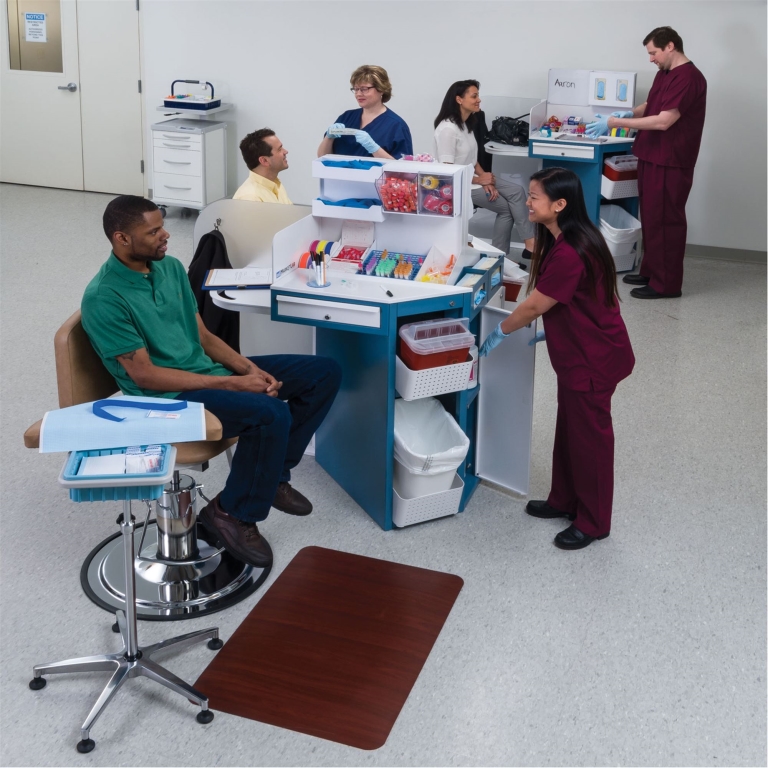
A phlebotomist is a healthcare professional who is responsible for drawing blood from patients for various medical purposes, such as lab tests, blood donations, transfusions, and research. Phlebotomists play a crucial role in the healthcare system, as accurate and precise blood collection is essential for diagnosing and treating medical conditions.
Phlebotomist Job Requirements
Education
Most employers require phlebotomists to have a high school diploma or GED. However, some may prefer candidates with post-secondary education, such as a certificate or associate degree in phlebotomy. These programs typically include coursework in anatomy, physiology, medical terminology, and phlebotomy techniques.
Training
Phlebotomists must undergo hands-on training to learn how to properly draw blood and handle specimens. This training is usually provided on the job or through a formal phlebotomy program. Some states may also require phlebotomists to complete a certain number of supervised clinical hours before they can become certified.
Certifications
While certification is not always required, many employers prefer to hire certified phlebotomists. The most recognized certification for phlebotomists is the Phlebotomy Technician (PBT) certification offered by organizations such as the National Healthcareer Association (NHA) or the American Society for Clinical Pathology (ASCP).
Skills
In addition to education, training, and certification, phlebotomists must also possess certain skills to be successful in their role. These skills include:
- Attention to detail
- Excellent bedside manner
- Strong communication skills
- Ability to follow strict protocols
- Emotional resilience
Benefits of Being a Phlebotomist
There are many benefits to pursuing a career as a phlebotomist, including:
- Job stability and growth opportunities
- Fulfilling work helping patients
- Flexible work schedules
- Competitive pay and benefits
- Opportunities for advancement in the healthcare field
Practical Tips for Aspiring Phlebotomists
If you are considering a career as a phlebotomist, here are some practical tips to help you succeed:
- Research different phlebotomy programs and choose one that is accredited
- Gain hands-on experience through internships or volunteer work
- Network with other healthcare professionals in the field
- Stay up-to-date on the latest phlebotomy techniques and technologies
- Consider pursuing additional certifications or specializations to enhance your skills
Conclusion
becoming a phlebotomist requires a combination of education, training, certification, and skills. By meeting these job requirements and honing your abilities, you can embark on a rewarding career in healthcare helping patients and making a difference in their lives.
Whether you are just starting out in the field or looking to advance your career, the opportunities for phlebotomists are vast and varied. Take the first step today towards becoming a certified phlebotomist and enjoy a fulfilling and meaningful career in healthcare.
