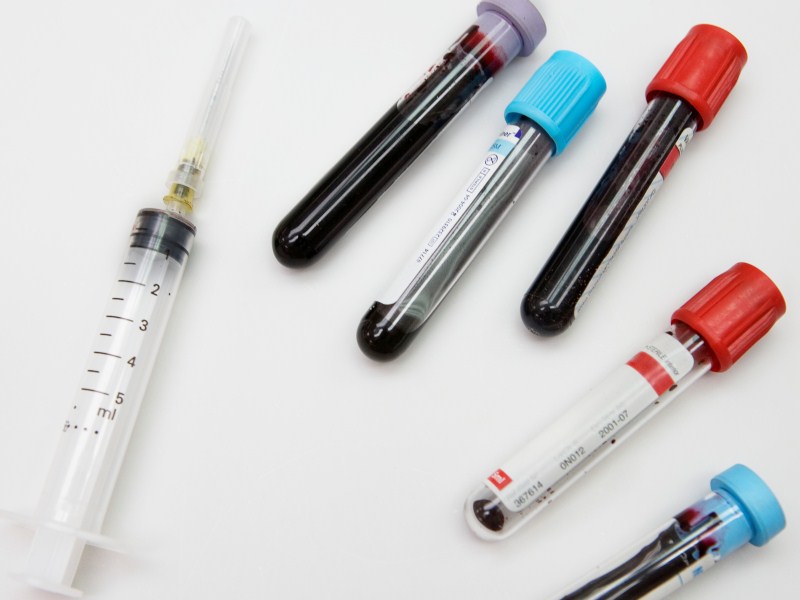
Are you interested in pursuing a career in healthcare that involves drawing blood and helping patients? If so, a Phlebotomist Program may be the perfect option for you. In this article, we will explore what a Phlebotomist Program entails, the benefits of becoming a certified phlebotomist, and practical tips for success in the field.
**Introduction to Phlebotomist Program**
A Phlebotomist Program is a specialized training program that prepares individuals to work as phlebotomists, healthcare professionals who are trained to draw blood from patients for medical testing, transfusions, donations, or research. Phlebotomists play a crucial role in healthcare settings, such as hospitals, clinics, laboratories, and blood donation centers.
**What Does a Phlebotomist Program Include?**
A Phlebotomist Program typically covers the following topics:
1. Anatomy and physiology
2. Medical terminology
3. Blood collection techniques
4. Infection control procedures
5. Patient interaction and communication skills
6. Handling and processing of blood specimens
7. Basic laboratory procedures
Phlebotomist Programs often include hands-on training to practice blood drawing techniques on mannequins or real patients under the supervision of experienced instructors.
**Benefits of Becoming a Certified Phlebotomist**
Becoming a certified phlebotomist offers several benefits, including:
1. Job stability and growth opportunities in the healthcare industry
2. Competitive salary and benefits
3. Fulfilling work that directly impacts patient care
4. Opportunities for career advancement into roles such as laboratory technician or medical assistant
5. Flexible work schedules, including part-time and evening shifts
**Practical Tips for Success in the Field**
If you are considering enrolling in a Phlebotomist Program, here are some practical tips for success:
1. Stay organized and pay attention to detail when collecting and labeling blood specimens.
2. Develop strong communication skills to interact effectively with patients during the blood drawing process.
3. Practice proper infection control techniques to ensure the safety of yourself and the patients.
4. Stay current with industry trends and advancements in phlebotomy by attending continuing education courses and workshops.
5. Network with other healthcare professionals to build connections and explore career opportunities in the field.
**Conclusion**
a Phlebotomist Program is an excellent choice for individuals interested in a rewarding career in the healthcare industry. By completing a Phlebotomist Program and becoming certified, you can enjoy job stability, competitive salary, and opportunities for career advancement. Remember to stay organized, develop strong communication skills, and practice proper infection control techniques to succeed in the field of phlebotomy. Enroll in a Phlebotomist Program today and start your journey towards a fulfilling career as a certified phlebotomist.
