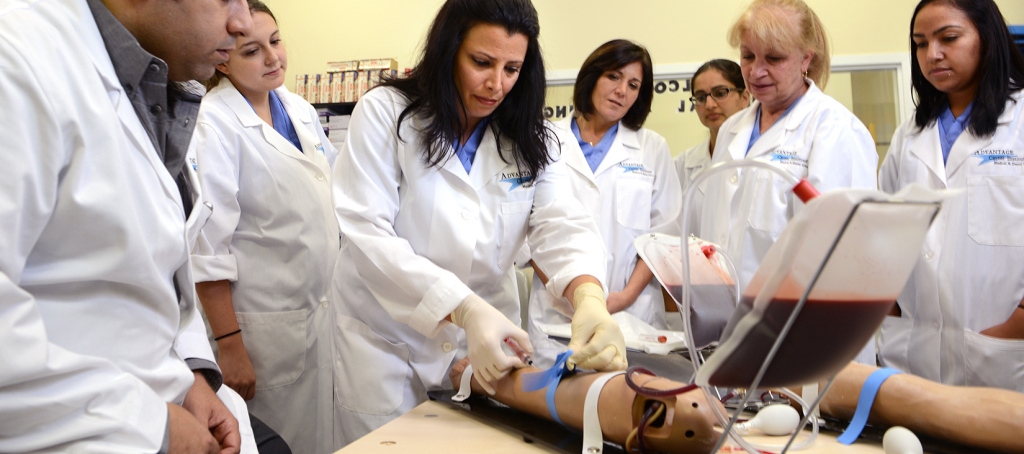
Phlebotomist Technician Certification: Everything You Need to Know
Are you interested in pursuing a career as a phlebotomist technician? One of the key steps to becoming a successful phlebotomist technician is obtaining your certification. In this article, we will delve into the world of phlebotomist technician certification, exploring the process, requirements, benefits, and career opportunities that come with earning this important credential.
What is a Phlebotomist Technician Certification?
A phlebotomist technician certification is a credential that validates an individual’s skills and knowledge in phlebotomy, the process of drawing blood from patients for medical testing, transfusions, donations, or research. By earning this certification, phlebotomist technicians demonstrate their proficiency in performing venipuncture procedures, following safety protocols, and maintaining a sterile environment.
Benefits of Phlebotomist Technician Certification
- Enhanced job prospects: Many employers prefer to hire certified phlebotomist technicians due to their specialized training and expertise.
- Higher earning potential: Certified phlebotomists often command higher salaries than their non-certified counterparts.
- Professional recognition: Certification demonstrates your commitment to the field of phlebotomy and your dedication to providing quality patient care.
- Opportunities for advancement: Certification can open doors to supervisory or managerial positions within healthcare facilities.
How to Become a Certified Phlebotomist Technician
Obtaining your phlebotomist technician certification involves the following steps:
- Complete a phlebotomy training program: Enroll in an accredited phlebotomy training program that provides both classroom instruction and hands-on experience.
- Gain practical experience: Practice venipuncture techniques under the supervision of a qualified instructor or healthcare professional.
- Pass a certification exam: Take and pass a phlebotomy certification exam administered by an accredited certifying agency, such as the National Healthcareer Association (NHA) or the American Society for Clinical Pathology (ASCP).
- Maintain your certification: Participate in continuing education courses and meet any renewal requirements to keep your certification current.
Career Opportunities for Certified Phlebotomist Technicians
With your phlebotomist technician certification in hand, you can pursue a rewarding career in a variety of healthcare settings, including:
| Hospitals | Physician offices |
| Diagnostic laboratories | Blood donation centers |
| Research facilities | Long-term care facilities |
Practical Tips for Obtaining Your Phlebotomist Technician Certification
- Research certification requirements: Familiarize yourself with the specific requirements of the certifying agency you plan to apply to.
- Practice, practice, practice: Hone your venipuncture skills through hands-on practice and simulations.
- Stay up-to-date: Keep abreast of the latest developments in phlebotomy techniques, safety protocols, and industry trends.
- Network: Build relationships with healthcare professionals in the field of phlebotomy to expand your job opportunities.
Conclusion
Obtaining your phlebotomist technician certification is a valuable investment in your future. By earning this credential, you demonstrate your commitment to excellence, professionalism, and patient care. Whether you choose to work in a hospital, diagnostic laboratory, or blood donation center, your certification opens doors to a fulfilling career in the field of phlebotomy.
Are you ready to take the next step towards becoming a certified phlebotomist technician? Start your journey today and unlock a world of opportunities in the exciting and dynamic healthcare industry.
